

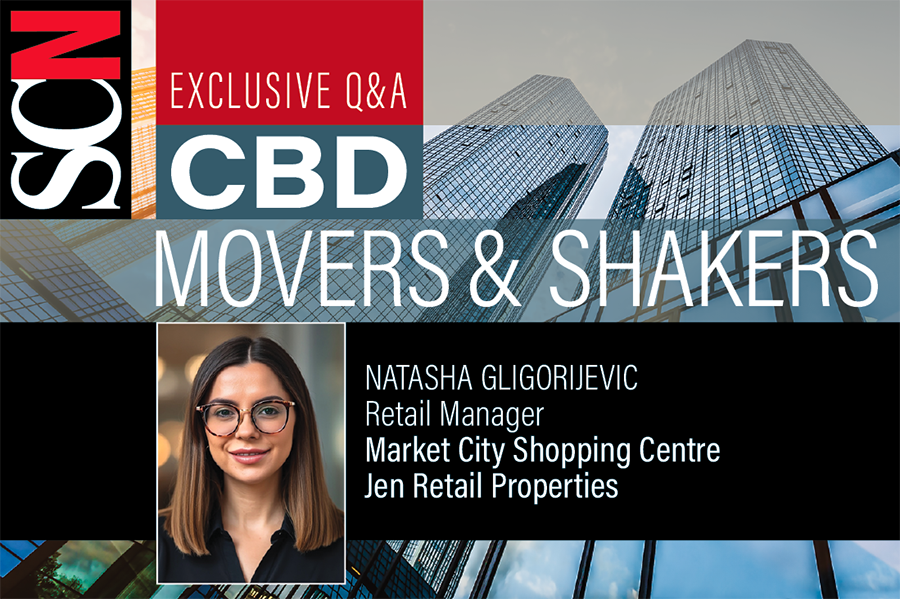

The shopping centre industry is driven by people. It’s their vision, expertise, and commitment that shape and evolve our retail environments to meet the needs of vibrant communities. In this special feature from SCN magazine, we speak with seven leading executives working in CBD retail to explore their career paths, insights, and perspectives on the key trends shaping the future of the sector.
In this exclusive Q&A, we spotlight Natasha Gligorijevic, Retail Manager at Market City Shopping Centre, as she shares her journey and outlook on the evolution of CBD retail.

Tell us about your current role and main responsibilities?
As the Retail Manager of Market City Shopping Centre, I am responsible for the overall retail management performance of the asset. This includes overseeing leasing activities – both new lease negotiations and renewals – managing rental arrears and ensuring the centre remains financially viable. A key part of my role is identifying and implementing strategic opportunities to increase income, enhance tenant mix and improve the customer experience. It’s a balance of operational management and forward-thinking strategy, ensuring the centre evolves in a highly competitive environment.
What is your favourite aspect of the role?
One of the most rewarding aspects is shaping the strategic direction of the centre and delivering tangible outcomes. I enjoy identifying underutilised spaces and transforming them into thriving destinations through targeted leasing and planning. Working closely with tenants, understanding their needs and creating an environment that supports their success is incredibly fulfilling.
A recent highlight has been leading the revitalisation of our Level 2 fashion precinct. When I joined the team, the level was largely vacant, home to pop-up stores. Through a clear repositioning strategy, we have leased more than 80% of the precinct to an exciting mix of national fashion retailers, with only a few opportunities remaining. We’re passionate about carefully curating the final tenancies to complement the overall vision. It’s been incredibly rewarding to see the transformation take shape and welcome new brands into the centre.
Can you tell us more about Market City Shopping Centre and what you love most about the asset?
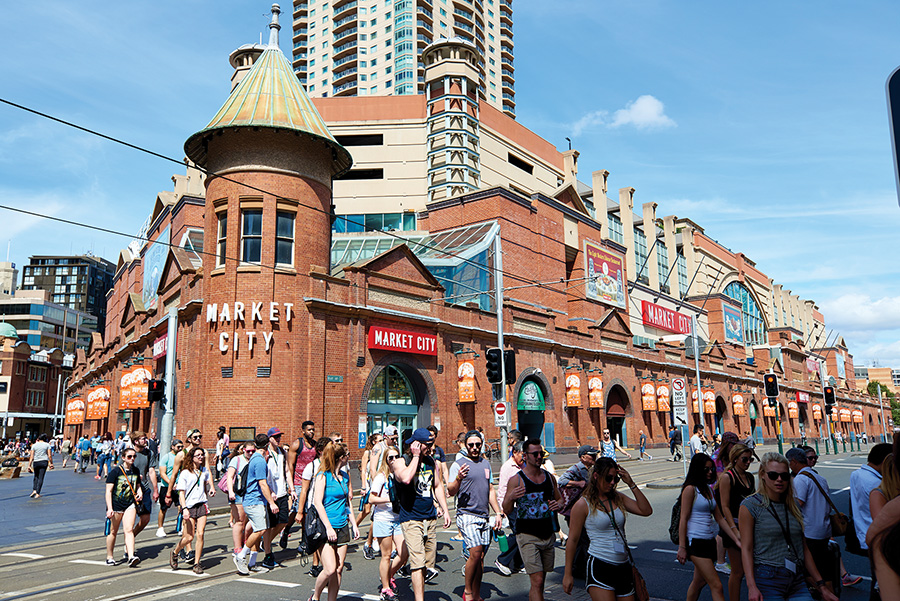
Market City is a unique retail destination in the heart of Sydney’s Chinatown, blending heritage architecture with a vibrant retail mix. It offers everything from essentials to international dining and cultural experiences. A standout feature is the 1909 Dining Precinct, showcasing some of Sydney’s best Asian cuisine in a modern setting. The centre also boasts three bustling shopping levels, including Australia’s top-performing TK Maxx and Chinatown’s largest Asian supermarket, Thai Kee IGA. Market City’s late-night entertainment precinct keeps the centre buzzing well into the evening.
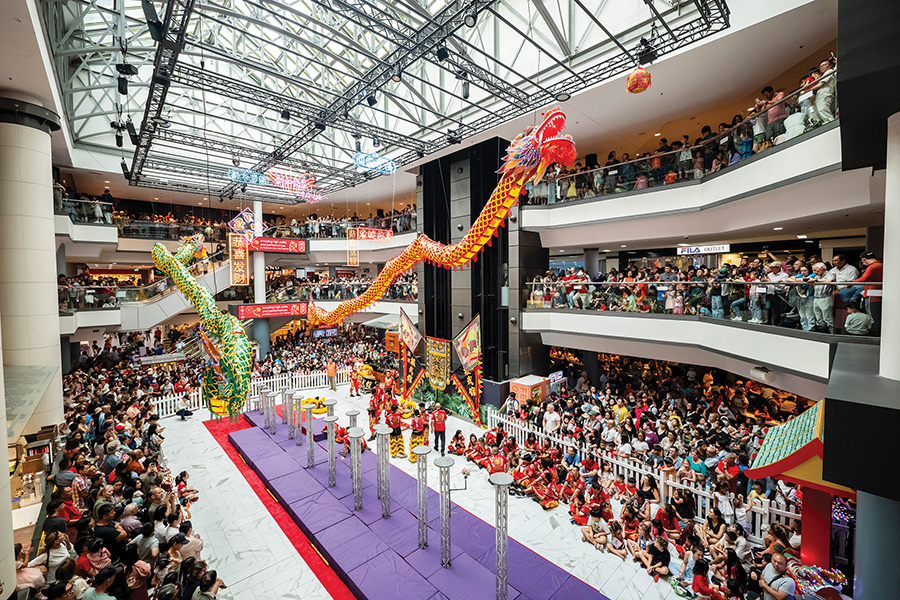
We host major events like Lunar New Year and Mid-Autumn Festival celebrations, attracting tens of thousands of visitors and establishing Market City as Sydney’s top destination for Chinese cultural events.
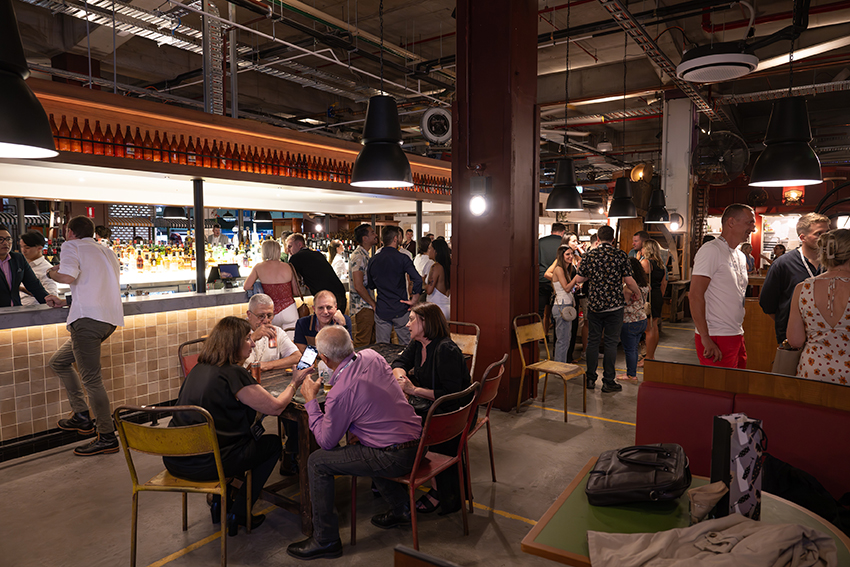
Recently, we welcomed the vibrant Hay Street Market within the iconic Paddy’s Markets, adding a fresh, eclectic mix of food and retail experiences.
What excites me most is Market City’s adaptability. We evolve by introducing new retailers, enhancing customer experiences and revitalising underutilised areas, ensuring Market City remains dynamic and a must-visit CBD destination.
Can you provide an overview of your career path and how you got started in retail property?
I commenced my retail property career more than 15 years ago, beginning in lease administration after a decade in residential sales and property management. This foundation gave me valuable experience in operational management, particularly leasing and tenant relations. From there, I managed seven neighbourhood centres, gaining experience in leasing, financial management and operations. This role paved the way for my current position at Market City as Retail Manager.
As a larger CBD centre with a Gross Lettable Area of 28,004m2, managing a centre of this size brought new challenges, including overseeing a complex tenant mix and ensuring operational efficiency.
This role gives me the opportunity to apply my background in property management and leasing to drive success.
Over the years, I’ve developed a passion for retail property management, particularly in strategic leasing and asset repositioning. Every day presents opportunities to innovate and respond to the changing needs of tenants and customers.
Do you have any career highlights, proudest moments?
A proud career highlight is leading the redevelopment of the Level 2 fashion precinct at Market City as the area was not permanently leased. Through strategic planning and leasing, with a clear vision, we revitalised the space, attracting a strong mix of national retailers and turning it into a vibrant destination for the centre.
Seeing the transformation and positive retailer and customer response has been incredibly rewarding.
What strategies can landlords use to increase foot traffic to retail spaces in the CBD?
To increase foot traffic, landlords should enhance customer experience and retail space appeal. Hosting events, pop-ups, and seasonal activations creates excitement and draws crowds, while a curated tenant mix appeals to diverse demographics.
Providing memorable experiences – such as unique offerings, comfortable spaces, loyalty programs and exceptional service – encourages repeat visits.
Digital marketing, social media campaigns, and influencer collaborations generate buzz and inform the community about new promotions.
Collaborating with local businesses and stakeholders strengthens connections and boosts traffic. Easy access through parking, public transport incentives and user-friendly online information also helps.
Introducing innovative retail concepts and activating street-level areas with visible signage and outdoor seating further attracts customers.
By combining these elements, landlords create dynamic destinations that continuously draw visitors.
How do you attract and retain high-quality tenants in a competitive CBD market?
Attracting and retaining tenants requires strategic leasing, strong relationship-building and creating an environment that supports tenant success.
It’s important to understand tenant needs and offer flexible terms aligned with business objectives. A compelling tenant mix that drives foot traffic and complements brands is also crucial.
To retain tenants, landlords must maintain spaces and continually adapt to market demands. Regular communication, proactive support, and incentives – like marketing assistance, customer demographic data, or common area improvements – build long-term relationships and enhance satisfaction.
What strategies do you use to manage tenant relationships?
Managing tenant relationships involves understanding their needs, offering flexible leasing terms, and maintaining high standards for spaces.
A strong, complementary tenant mix drives traffic and supports success.
Consistent communication, proactive support, and added value – such as marketing help, demographic insights, and property improvements – help strengthen relationships and tenant retention.
What are some of the major challenges facing the industry?
A key challenge is adapting to the growth of e-commerce and shifting customer expectations. Shoppers seek more than transactions – they want experiences, convenience, and seamless integration between online and physical retail.
Another challenge is maintaining occupancy and securing long-term sustainable tenants in an increasingly competitive market, especially in CBDs, where flexible working has altered retail visitation. This has required landlords to be more agile and creative with leasing strategies, activating spaces in new ways and accommodating diverse formats.
Increasing operational costs, including energy, insurance and maintenance, add pressure for both landlords and tenants, requiring careful cost management and reinvestment.
Centres must now align with environmental practices, cut carbon footprints and contribute to communities. Meeting these goals demands strategic planning, investment and strong tenant collaboration.
Despite the challenges, significant opportunities still exist. Landlords who evolve with customer expectations, embrace technology and build strong community ties will be best positioned for success.
This exclusive Q&A forms part of SCN’s Movers & Shakers feature, published in CBD Guns 2025. Subscribe here to access the full digital magazine.





Add comment