

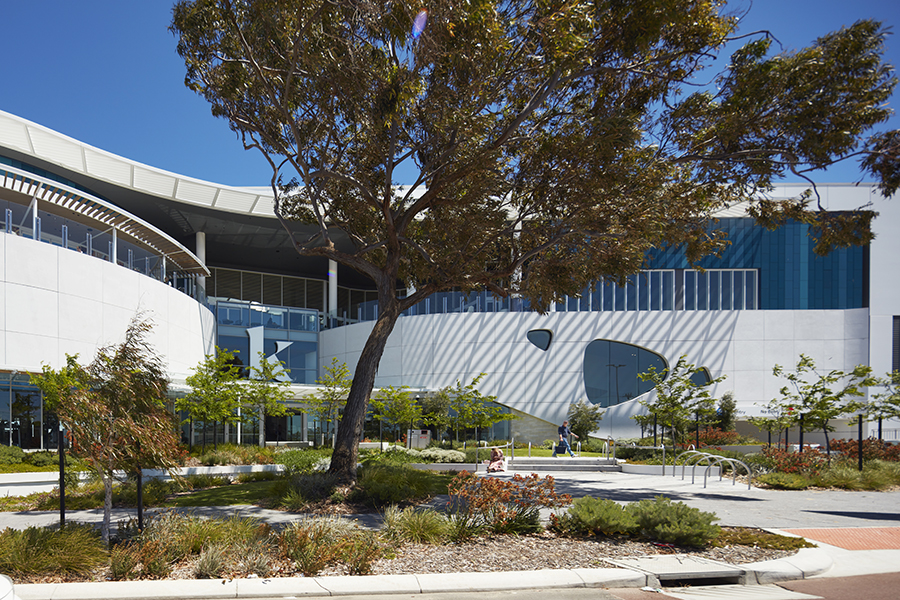

In this forward-looking piece for SCN magazine, Mason Harrison of Hames Sharley, unpacks the forces reshaping Australian retail, from the rise of experiential anchors and wellness ecosystems to the shift toward outward-facing, place-led design.
Last year proved to be a time of continued rapid evolution in the creation and reimagining of retail space in Australia. As the market continued to move towards celebrating the experience of retail, we saw a growing divide between the delivery of new areas amongst headwinds of construction costs, global uncertainties and general portfolio rebalancing. With the desire to capture opportunities in the market, we also saw a series of developments and ownership changes in response to change.
The continued trend of embracing diversity, choice of experience, and conversation within the retail experience has been encouraged and embraced by consumers and retailers. There are more options than ever for how to interact with retail spaces and for how to shop – whether a visit for a quick, convenient daily shop, to fill a few hours between a drop off and an appointment, or to spend some time with friends and family. The need for retail centres to respond to all these choices and more in the creation of retail space will continue to be a fundamental consideration for retailers and developers.
There will also still be those who visit a shopping centre hoping for a guided tour of experiences or a journey along a clearly legible path – within the centre or within a tenancy’s retail display – amongst those who want to find their own way and discover happy accidents and new ideas. For example, a typical narrative might be enjoying a break at the day spa or some downtime in a comfortable outdoor setting sipping a favourite drink as a reward for the gym session I had at the centre yesterday. The opportunity to ‘buy’ so many diverse experiences would have once seemed a dream to retail consumers. Both retailers and the retail centre play a role in curating this, from the arrival at the centre to the destination itself.
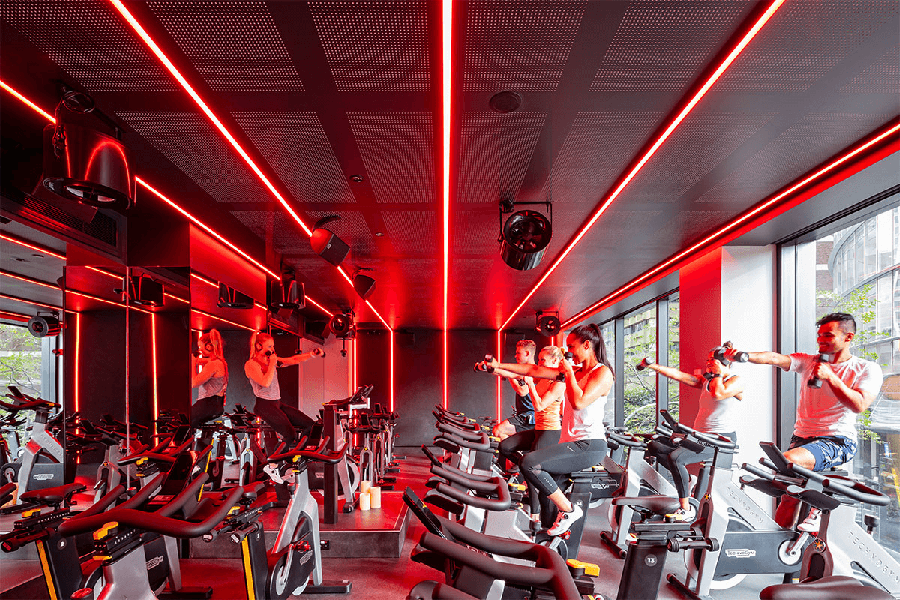
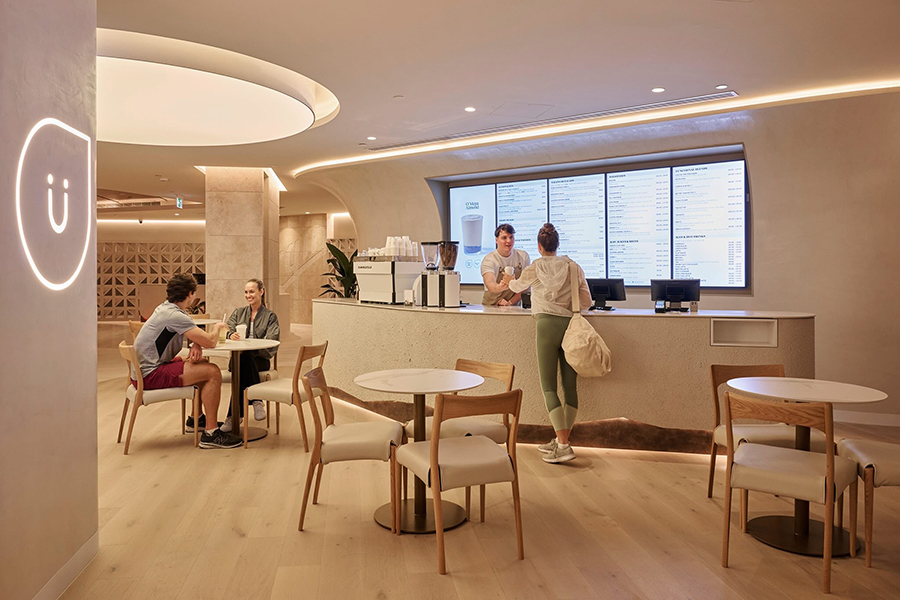
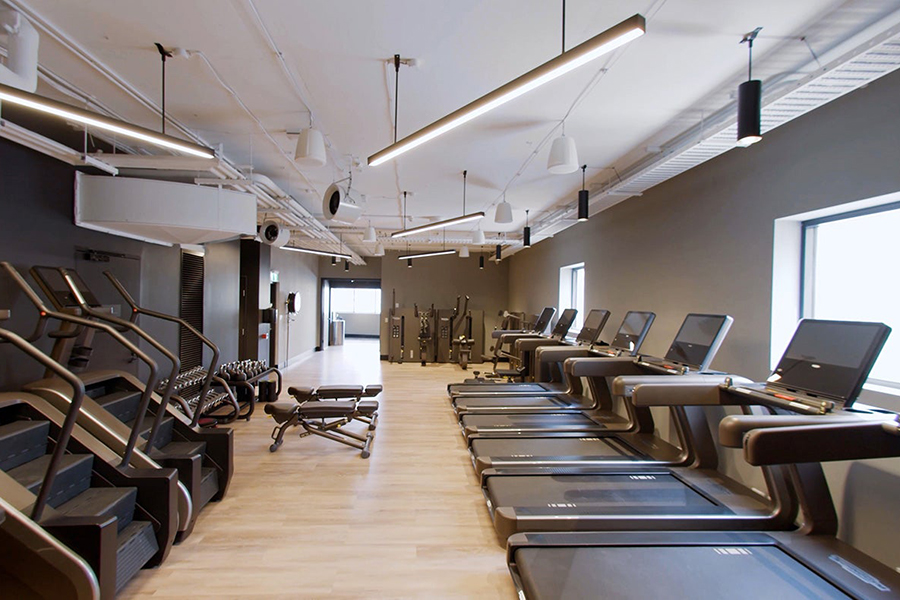
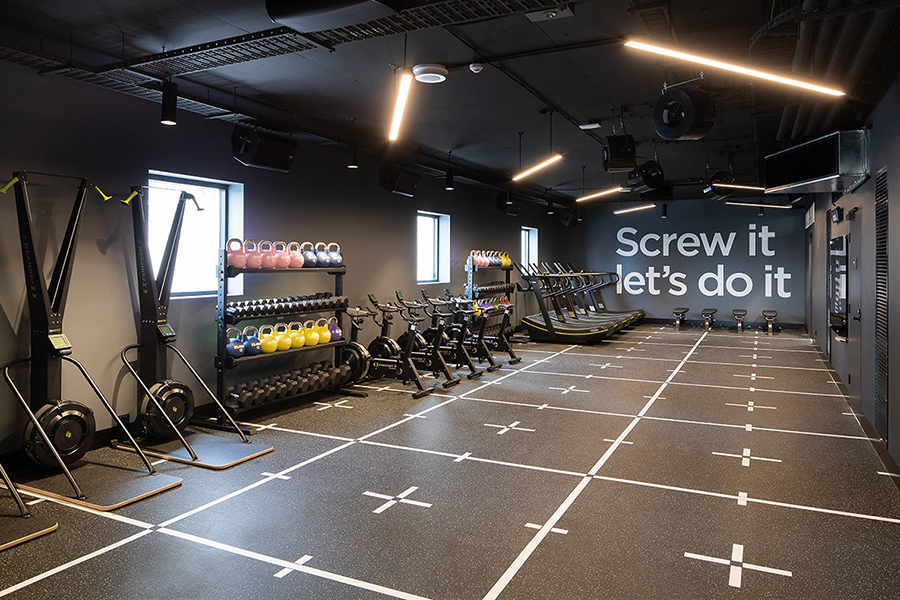
This year, 2026, is well placed to expand on this with signs of more energy and vitality in the market across a range of scales and typologies and businesses seeking to connect to ever more selective and demanding consumers. We also expect to see movement continuing towards experience, with anchors moving from simply being places where items are sold to focusing on lifestyle, wellness and celebrating experience and good living.
One future move is the growth in wellness, social spaces and experiential precincts, integrated into or as anchors for retail and town-centre environments. As they evolve from the typical gym we think of from yesteryear, these anchors are bridging the gap between providing service and merchandise, and café and dining experiences. Framed as wellness ecosystems, luxury wellness playgrounds and social wellness clubs, they offer a blend of opportunity and experience to anchor a retail precinct. KPMG’s Australian Retail Outlook 2025 states that wellness tenants are now prioritised in planning, recognising that spending on health and wellness is one of the fastest-growing consumer categories. For example, consumer spending on health and wellness rose 8.8 per cent in 2024 and was forecast to climb a further 10 per cent in 2025.
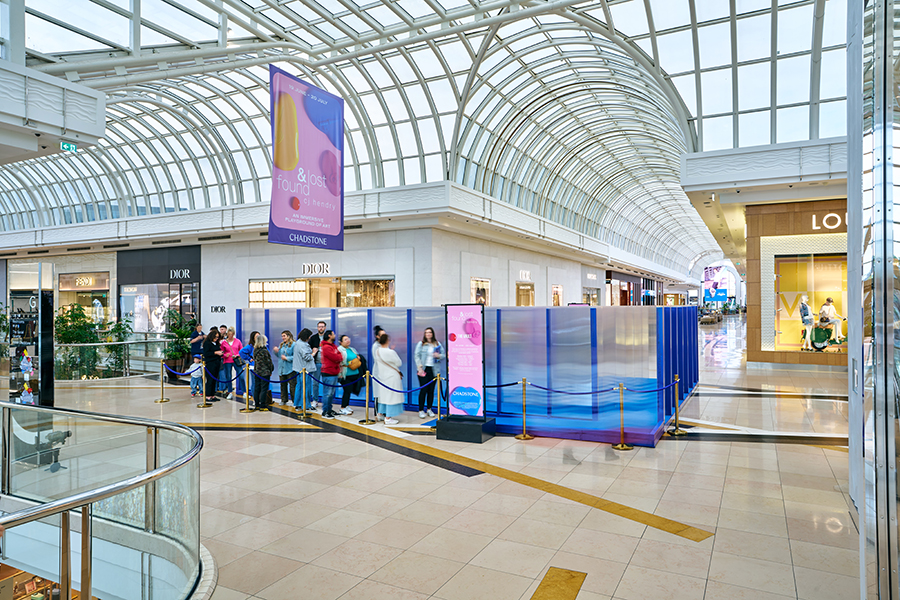
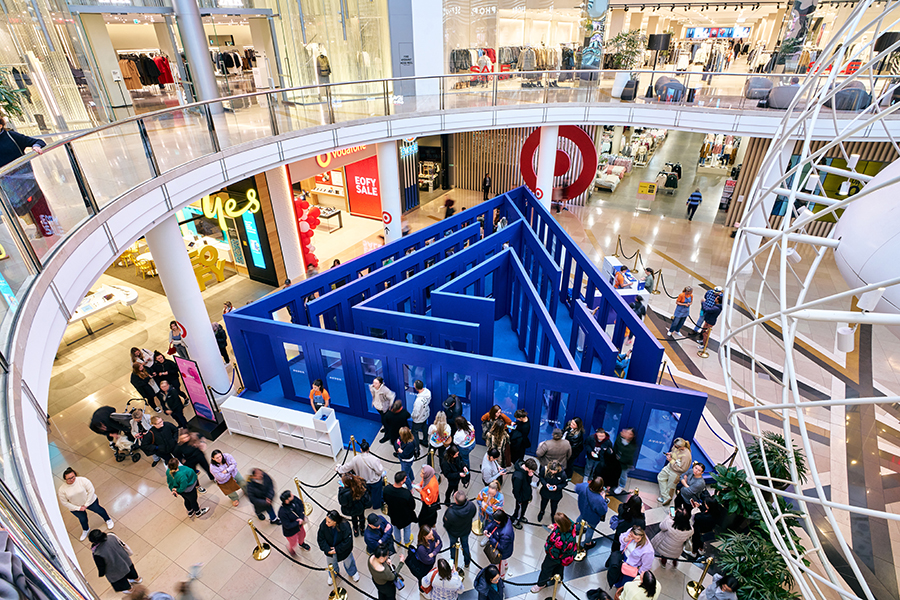
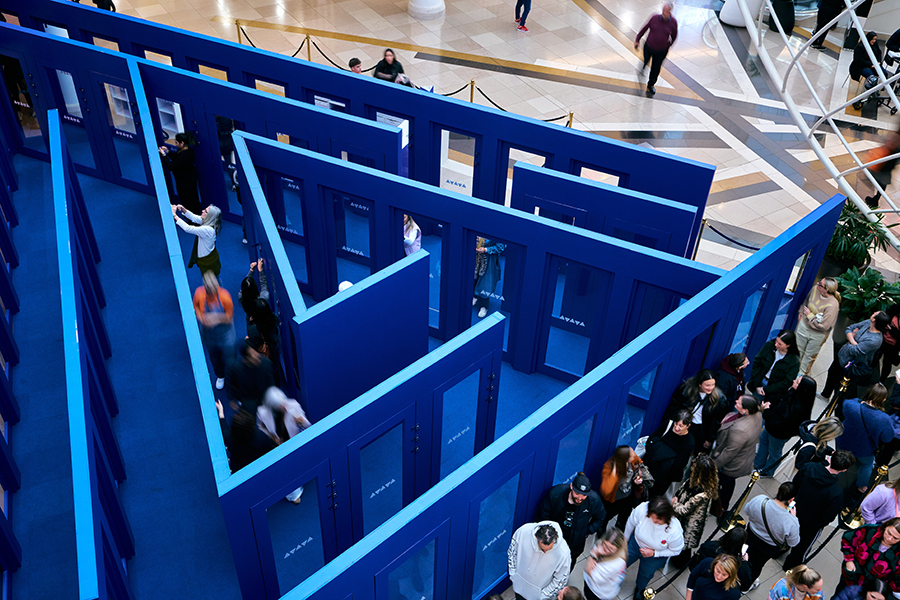
Opening last year, Virgin Active Wellness Club at Westfield Bondi Junction offers fitness, recovery, nutrition and social experiences, a first-of-its-kind for Virgin Active globally. Akin to an international luxury hotel, the new club weaves active lifestyle offerings into the retail environment and cleverly repositions the shopping trip into a daily destination. In Perth, Karrinyup Shopping Centre launched its dedicated wellness precinct as part of its $800 million redevelopment, offering Pilates, boxing, physio, sound healing, a full gym and a day spa under one roof, repositioning the centre as a retail and lifestyle destination for Perth. Another recent activation that adds engagement without large-scale investment is the art-based ‘Lost & Found’ immersive exhibition by New York-based artist Cj Hendry at Mebourne’s Chadstone Shopping Centre.
As designers working with retail clients, the second evolution is the shift towards outward-facing retail experiences. This newer strategy is to move away from inward-facing malls and the blank external walls of yesteryear to outward-facing designs that celebrate the surrounding context and add interest well before the entrance. We are seeing blank walls transform into glass, with external walkways, landscaping, seating and food and beverage visible from the outside. The emphasis shifts from presenting the experience internally to externally, enabling people to see the activity as they pass by, rather than discovering it only once inside.
CBRE’s recent Regional Shopping Centres Reimagined report states that consumers have less appetite for traditional enclosed formats as they demand more convenience and mixed-use precincts, and owners are now prioritising repositioning over new builds. For example, the new Sydney Fish Market project effortlessly integrates retail, tourism and wholesale operations under one roof, doubling the area of the previous site and adding accessible open space, generous connections to the harbour, and opportunities for public engagement previously not possible.
For retailers, emphasising the outside brings strong benefits. Repositionings are less expensive to operate than rebuilds, because there is less enclosed common air for air-conditioning, and there is better visibility to passing customers to attract patronage. Retailers can ‘re-find’ or reinvent what they already have by reconfiguring tenancies, making spaces face outwards, refreshing environments and also encouraging opening hours into the evening to attract shoppers meeting and dining with friends.
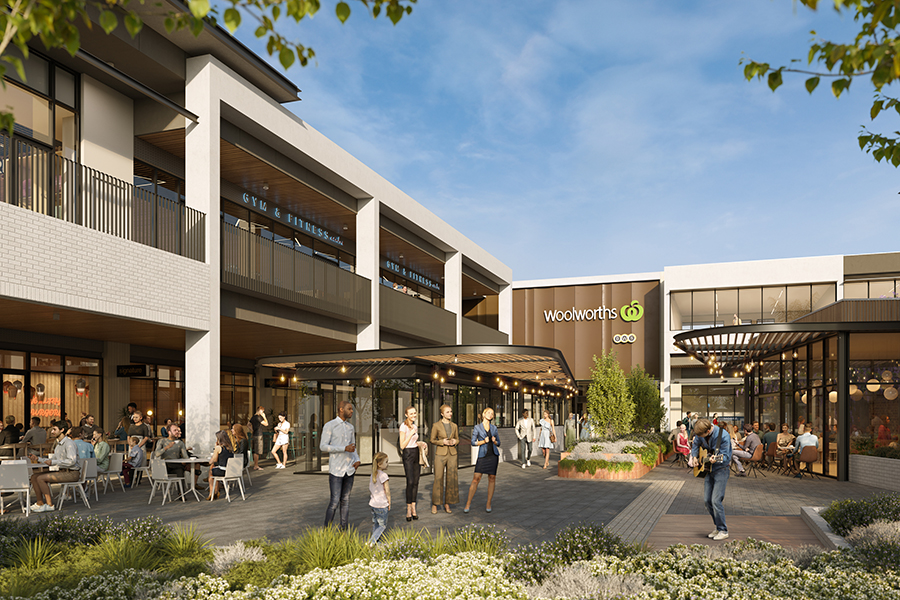
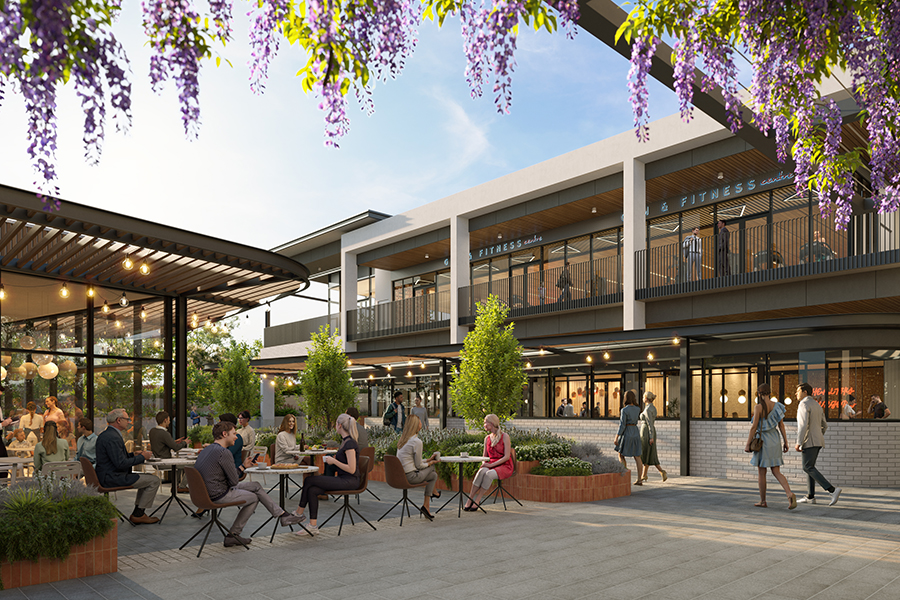
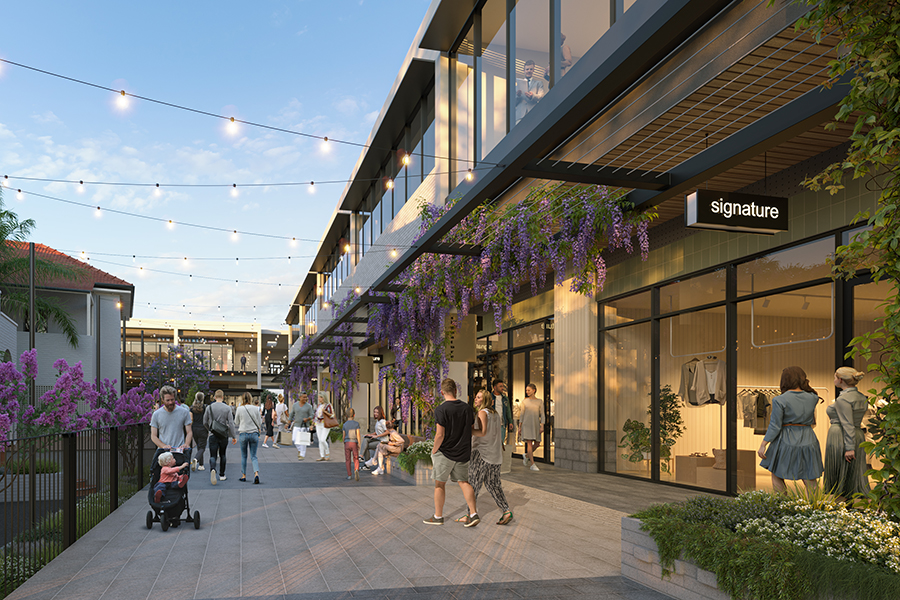
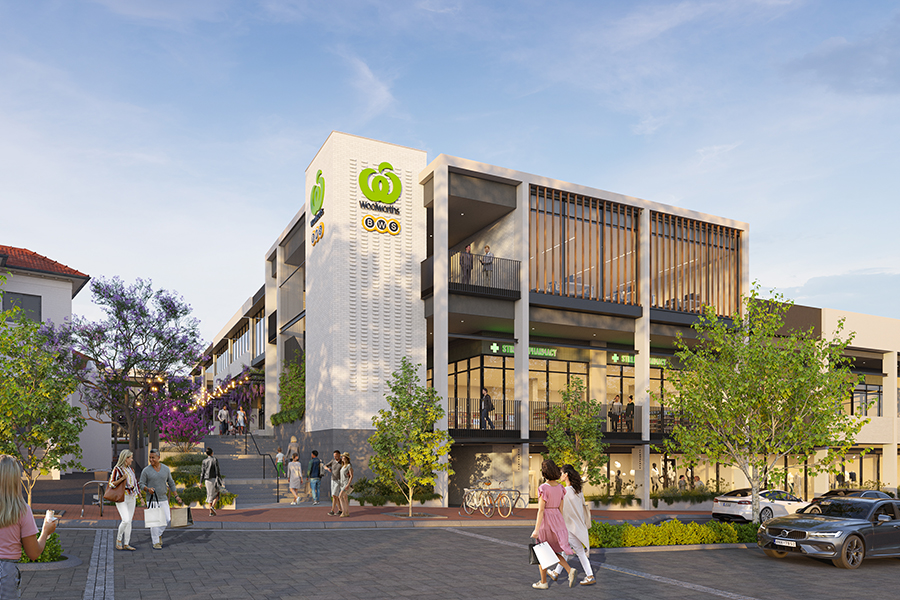
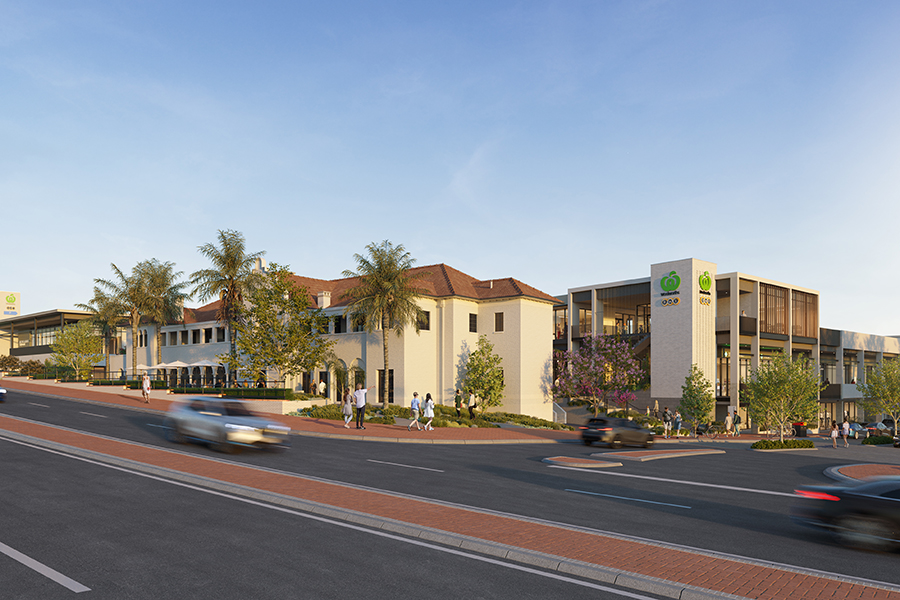
Projects like Nedlands Square in Perth, opening this year, are designed to integrate around heritage-listed precincts, with landscaped civic spaces, colonnades and a community hub with alfresco dining options. In this instance, the local character of the Captain Stirling Hotel becomes the anchor, not only reviving a much-loved building but also providing the local community with an elevated outward dining experience. In the same way that a local barista who remembers your name and order can help foster a sense of community, these places celebrate something only locals could have in that area.
In the next 10-15 years, the retailers who value the evolution of experiential design and outdoor space will shape our shopping centres and centres. Those that thrive will become places we see and feel from the street’s edges, not just as destinations for daily errands but as neighbourhood stages for everyday life. Just as the experience of retail in the past was defined by mystique, magic and profit, the next generation will be defined by looking up from their phones, for connection and engagement in open-air urban villages.
- This article by Mason Harrison, Retail & Town Centres Portfolio Leader at Hames Sharley was first published in SCN magazine – Big Guns 2026 edition




Add comment