

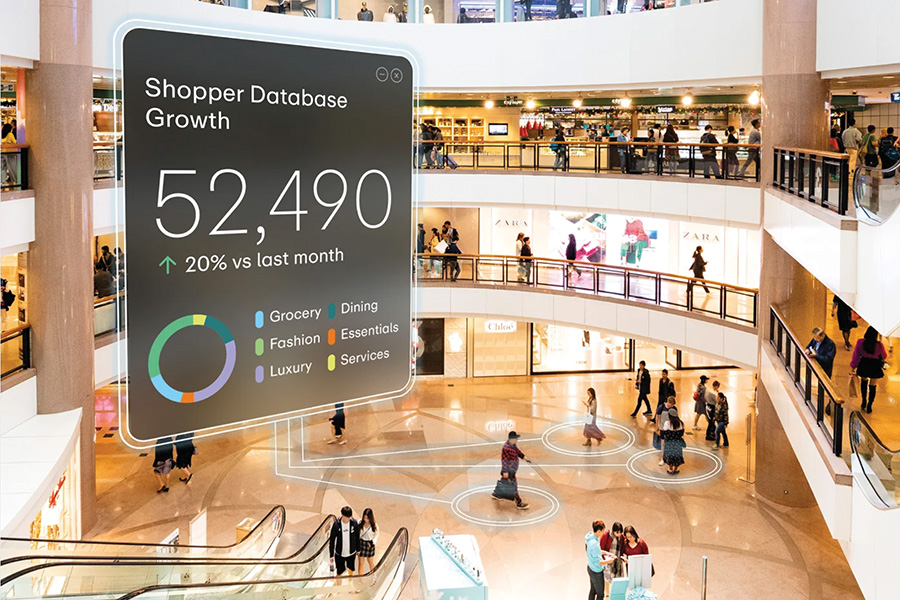

In a world where foot traffic alone no longer guarantees success, leading retail property groups are turning to first-party data and real-time technologies to unlock deeper shopper insights, drive performance and gain a measurable edge. Here, John Rankin, Chief Operating Officer at Beonic, explores how innovative tools are transforming retail centres into insight-driven ecosystems where every decision is backed by data.
In today’s competitive retail landscape, first-party data is no longer a “nice-to-have”, it’s a strategic necessity. For retail property leaders, the ability to collect, interpret and act on customer data is what separates missed opportunities from maximised returns.
And yet, many still struggle to harness the full potential of their first-party data. Some aren’t even capturing it at all – which leaves them to make decisions without the confidence of data-backed reasoning.
So, what are successful retail property leaders doing differently? They’re embracing technologies that efficiently collect and turn data into powerful, real-time insights to help them make meaningful decisions with confidence. They’re investing in tools such as:
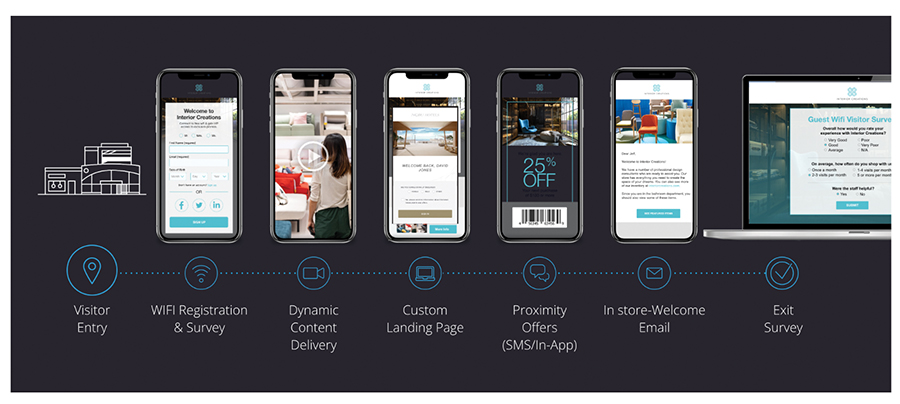
- Guest Wi-Fi to build out a first-party database
- Net Promoter Score (NPS) to capture feedback at scale with an always-on customer feedback loop
- Multichannel marketing to engage the right shoppers at the right time
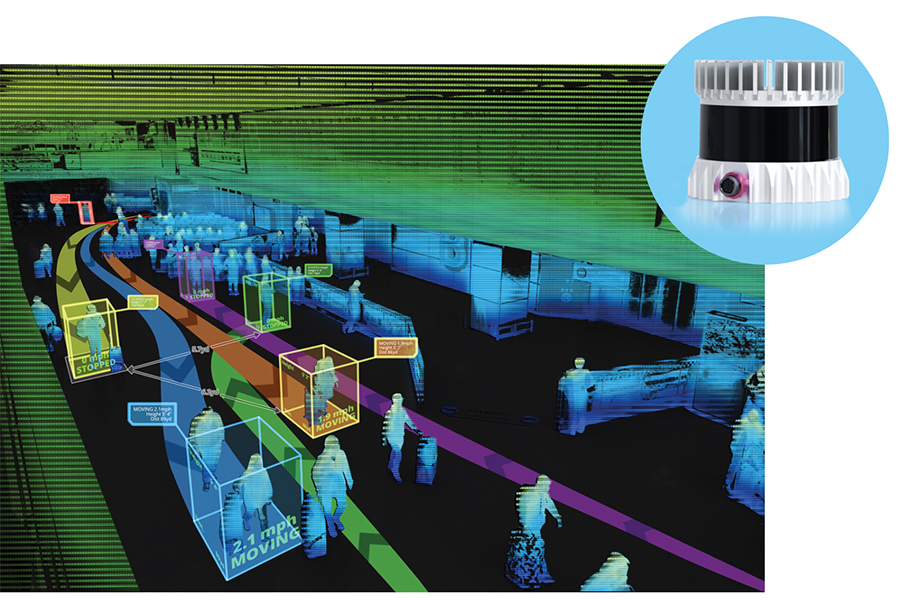
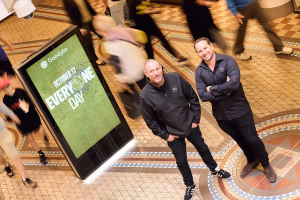
- Complementary IoT technologies such as camera vision and LiDAR (Light Detection and Ranging) in high value precincts like centre court, food courts and in proximity to large format digital signage where occupancy, flow, dwell, queue and crowd management count.
When combined, these tools empower retail destinations to deliver better experiences, drive stronger tenant outcomes and unlock new revenue potential.
A new approach to shopper insight
Retail property groups, whether they manage five or 50 centres, face a shared challenge: “How can we convert large volumes of daily foot traffic into data that fuel meaningful insights and drive strategy?”.
Traditional feedback methods, like email surveys sent days after a visit, are no longer cutting it. Response rates are low. Sentiment and feedback are delayed and often disconnected from timely in-centre experiences.
Without a deep understanding of customer behaviour, sentiment, space utilisation and marketing campaign performance, operations and marketing teams risk making decisions in the dark.
The need was clear: retail property leaders need a unified and accurate way to collect, measure and act on shopper insights at scale, and in real-time.
Building an insight-driven solution
All-in-one platforms that combine multiple sources of data into a unified view of the shopper experience are a game-changer.
AI-powered platforms like Beonic do exactly that. They bring together tools like Guest Wi-Fi, Wi-Fi Analytics, LiDAR Technology, People Counters, NPS and CRM. Together, these capabilities create a continuous feedback loop: always running, always learning and constantly delivering insight-rich data.
When used strategically, these tools can:
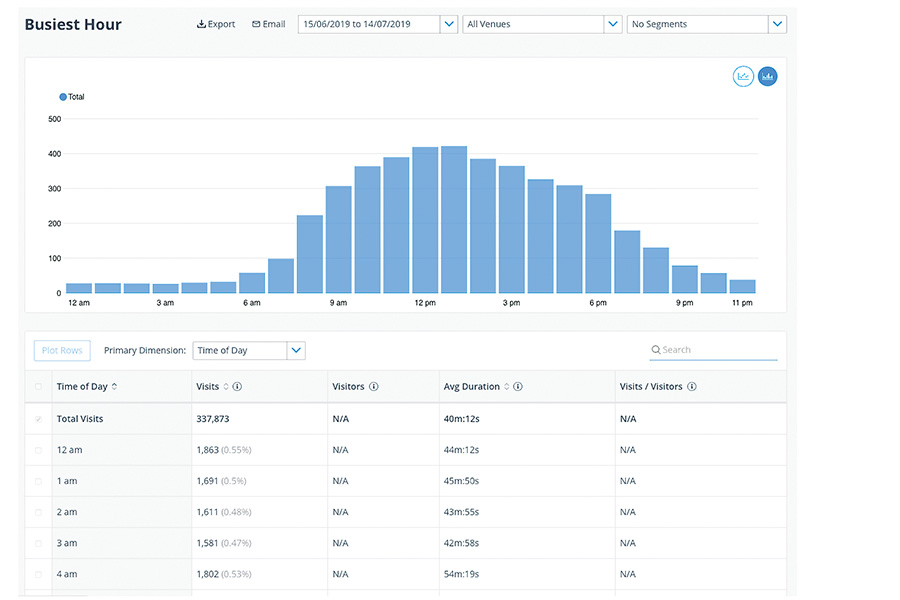
- Measure foot traffic through People Counters and LiDAR technology to identify peak periods, dwell zones, and visitor flow
- Build verified databases from Guest Wi-Fi by capturing contact details at the point of connection – forming a foundation for future engagement and insights
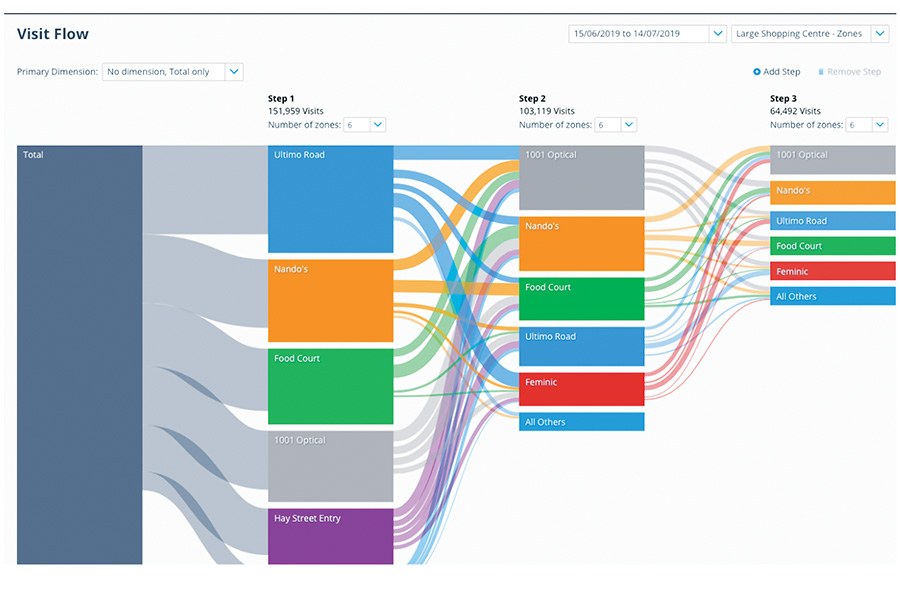
- Support multi-technology to consolidate multiple tech and sources of data into a unified dashboard to gain better insights about shopper behaviour
- Capture real-time sentiment with triggered surveys – reaching shoppers while their experiences are still top of mind to improve participation and feedback quality
- Benchmark performance across campaigns, locations, or time periods – enabling more confident investment decisions and sharper marketing execution
- Understand foot traffic patterns to identify peak times, dwell zones, dwell times, visit flow and visit duration. These insights support tenants and guide smarter decisions around rent pricing and space utilisation.
The strategic edge of first-party data
First-party data is becoming the most valuable asset in a retail property manager’s toolkit – not only for improving the customer experience, but also for identifying new revenue opportunities and reducing operational friction.
The key is not simply to gather data, but to turn it into a strategic advantage – one that enables retail leaders to move faster, act smarter, and compete more effectively in a data-driven world.
Measurable results and strategic gains
Retail groups that have embraced integrated data systems are seeing tangible benefits, including:
- Growth in verified shopper profiles, supporting more effective outreach and segmentation
- Increased engagement through timely, hyper-targeted communications
- Higher participation in sentiment surveys, unlocking deeper understanding of shopper needs
- Real-time visibility across entire portfolios, enabling agile responses and smarter resource allocation
- Multi-dimensional view of shopper behaviour in a single platform serving as the source of truth across multiple teams.
- These improvements help teams transition from reactive to proactive – aligning marketing, leasing, operations and customer service around shared insights.
Use case inspiration: ways to turn data into value
Here are a few use cases we’ve seen successful retail property giants implement in their shopping centres:
Real-time recovery for under-performing zones: Wi-Fi analytics can reveal if specific zones or levels are experiencing drops in foot traffic. Centre teams can test signage, activations, or pop-ups to redirect flow – then monitor changes in real-time.
Smarter tenant mix decisions: Guest Wi-Fi and behavioural data can help leasing teams understand who their shoppers really are. If certain demographics dominate, they can pitch to retailers that cater directly to that audience – or prove to hesitant brands that their target customer is already in-centre.
Campaign effectiveness in days, not weeks: Combining post-visit NPS feedback with visitation data enables marketing teams to measure the impact of a campaign almost instantly. If sentiment and footfall rise, the campaign’s a hit. If not, it’s time to pivot – quickly.
Optimising layout and tenant mix with multi-source insights: By combining LiDAR or people counting data with Guest WiFi demographics and behavioural analytics, retail centres can identify high-traffic zones, dwell areas, average dwell times, and shopper segments in real time. This unified view helps leasing teams make smarter decisions about tenant placements, optimise store adjacencies, and create experiences that better match shopper preferences – boosting both customer satisfaction and revenue potential.
The Strategic Edge of First-Party Data
First-party data is becoming the most valuable asset in a retail property manager’s toolkit—not only for improving the customer experience, but also for identifying new revenue opportunities and reducing operational friction.
The key is not simply to gather data, but to turn it into a strategic advantage—one that enables retail leaders to move faster, act smarter, and compete more effectively in a data-driven world.


Add comment