


Australia’s population continues to grow – projected to reach 31 million by the next decade. But where will people hang out? How will places be vibrant, energetic and sustainable?
As cost and space constraints challenge redevelopment in our CBDs, the most successful projects around the world are amplifying their site’s best assets and enhancing non-transactional opportunities with authentic experiences. They hold lessons for us closer to home too.
As designers, there’s nothing like physically visiting a place to experience it in person. It’s where we can feel, smell and breathe it in, observing how people engage, use and interact with the space and place.
In London, Amsterdam and Silicon Valley, I observed this first-hand while attending a global study with Skyfields by Perth Airport Chief Property Officer Dan Sweet, as a design partner on several projects as part of their major urban redevelopment on the Perth Airport Estate. Here are my insights…
Non-transactional spaces
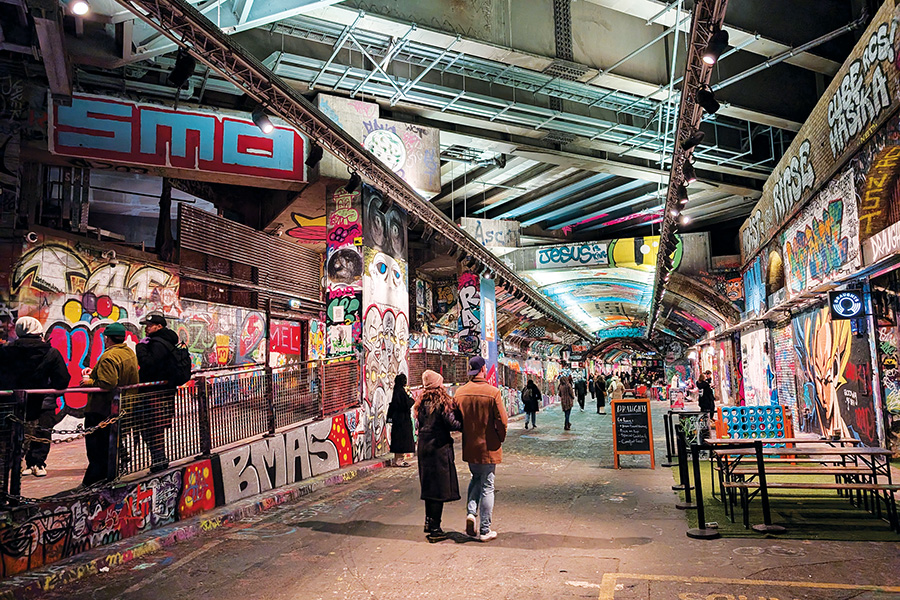
In London, the Graffiti Tunnel at Leake Street Arches is an excellent example of positive design. It was a non-transactional, inaccessible space – an underpass – but now is a gallery of street art and culture.
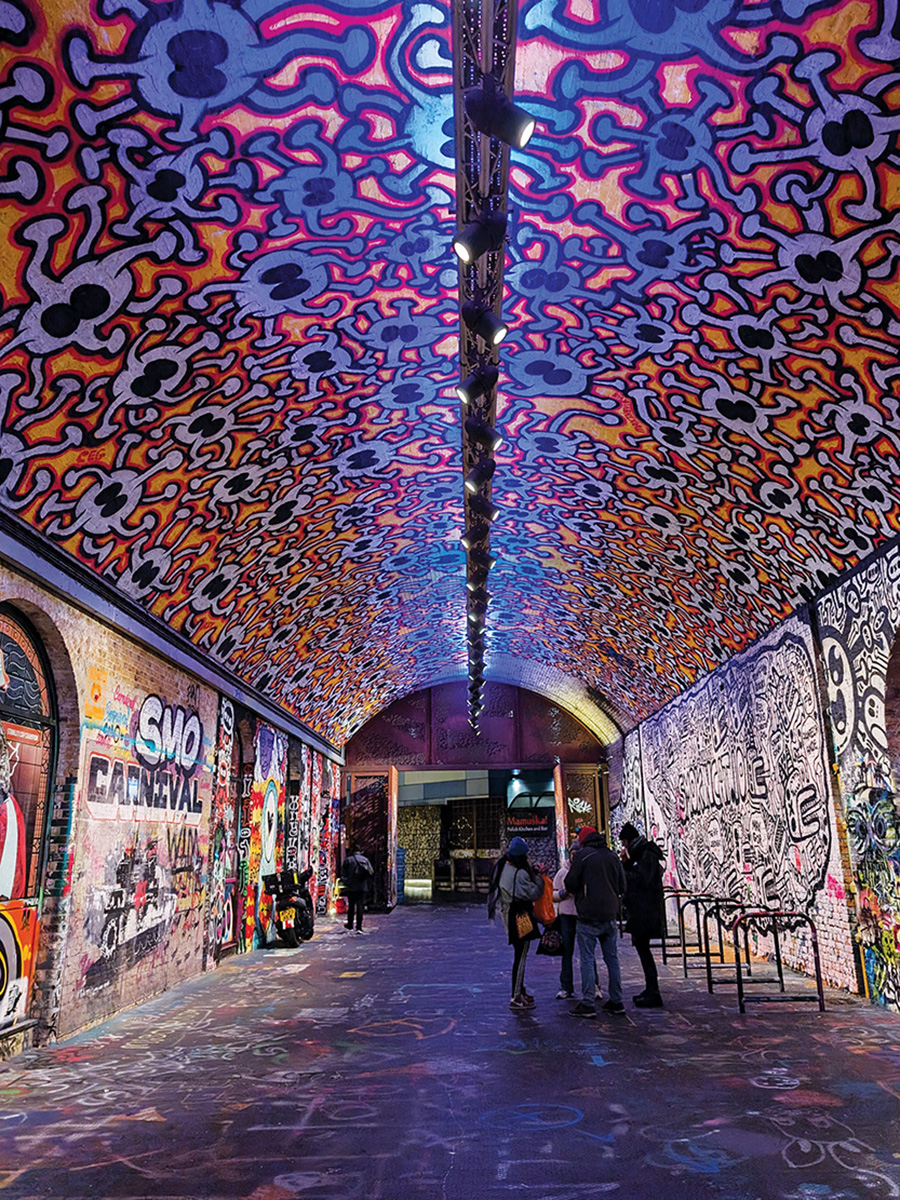
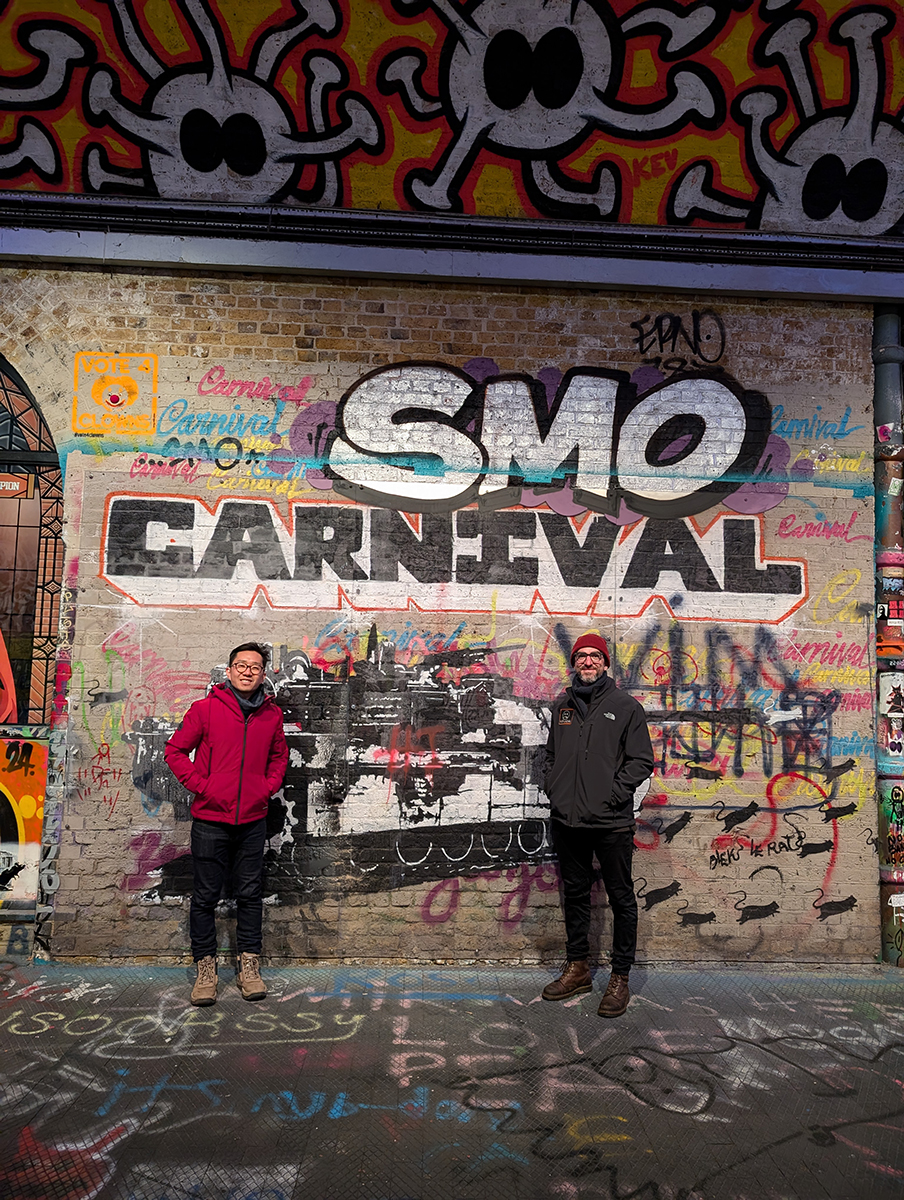
Legitimised by a framework for creation and cultural messaging, it buzzes with activity and encourages footfall through food and beverage offers, with the tunnel providing a canvas for graffiti artists, along with special rooms and events halls. While the spaces are fluid and changing, the project amplifies the existing character of the place to create a special retail experience. It also establishes rules through clever lighting, signage and wayfinding, enabling people to engage and connect with the spaces easily.
Another is BOXPARK, in London’s Shoreditch. Although temporary, this retail precinct comprises 40-foot shipping containers creating a new typology on underutilised land next to Shoreditch rail station across two levels. The retail tenancies, food and beverage tenancies and music/event spaces continuously change, allowing emerging retailers and businesses to try out their concepts. This is about creating a dynamic atmosphere through strong signage, simple lighting and construction methods, attracting lots of activity to the tenancies.

Flexible and adaptive reuse
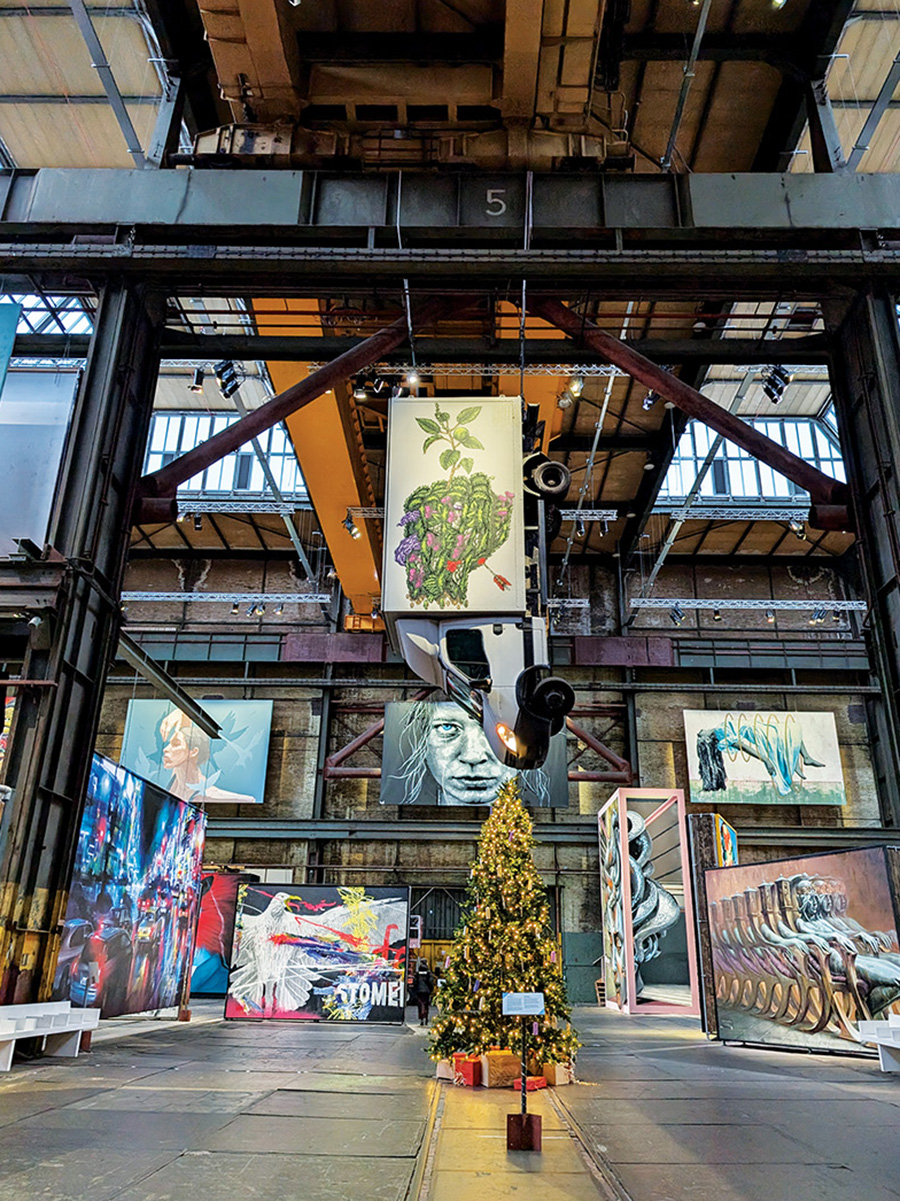
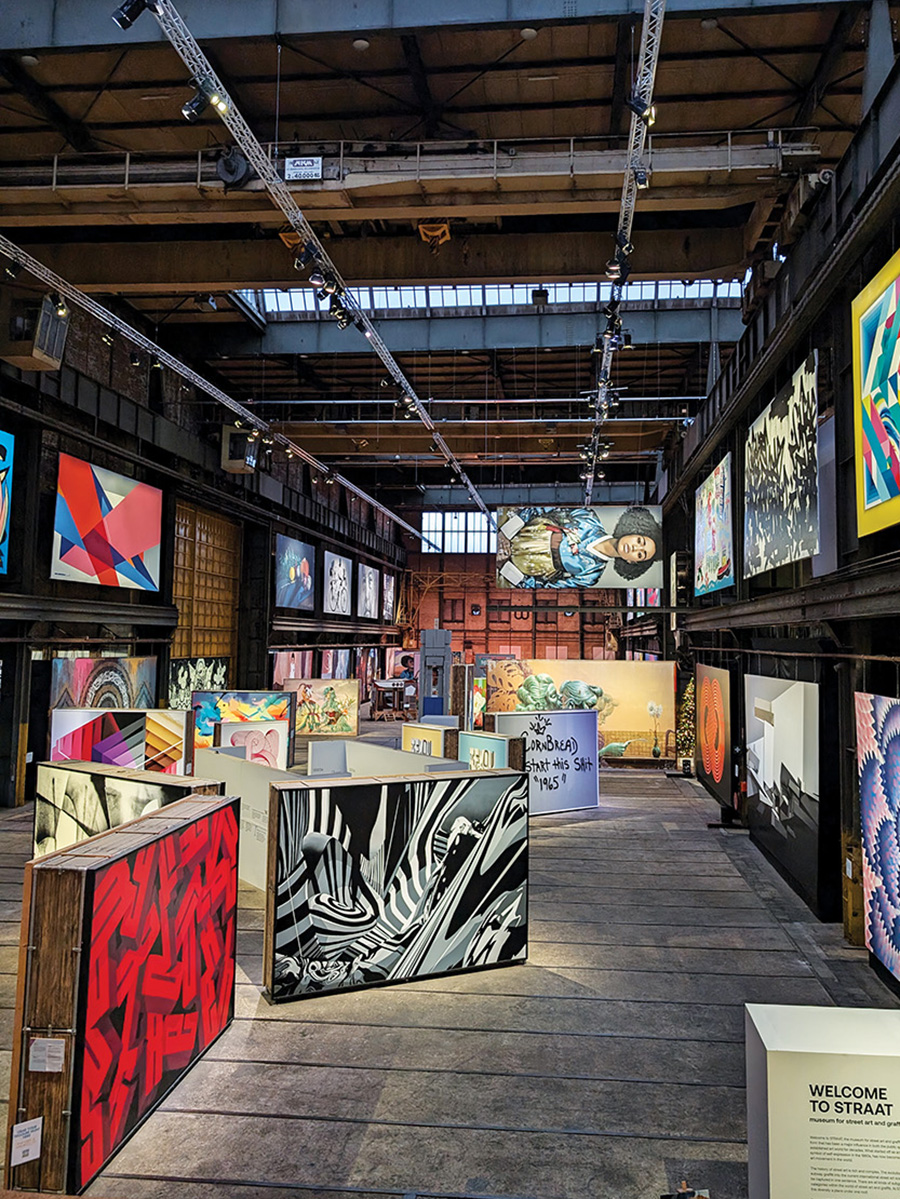
In northwest Amsterdam, the STRAAT (Street Art) Museum is impressively located on one of the city’s largest shipyard wharf sites on the banks of the River IJ. A warehouse converted into a cultural arts and creative destination, it features 180 works, a grand museum space, a cafe, a kids’ workshop space, amenities and a shop – all incredibly well thought out, low-cost and flexible, including an amenities pod that can be changed to suit functionality. It’s an excellent use of celebrating the past heritage architecture, enhancing the authenticity of what’s already on the site, while enabling the new additions and modern artwork to shine.
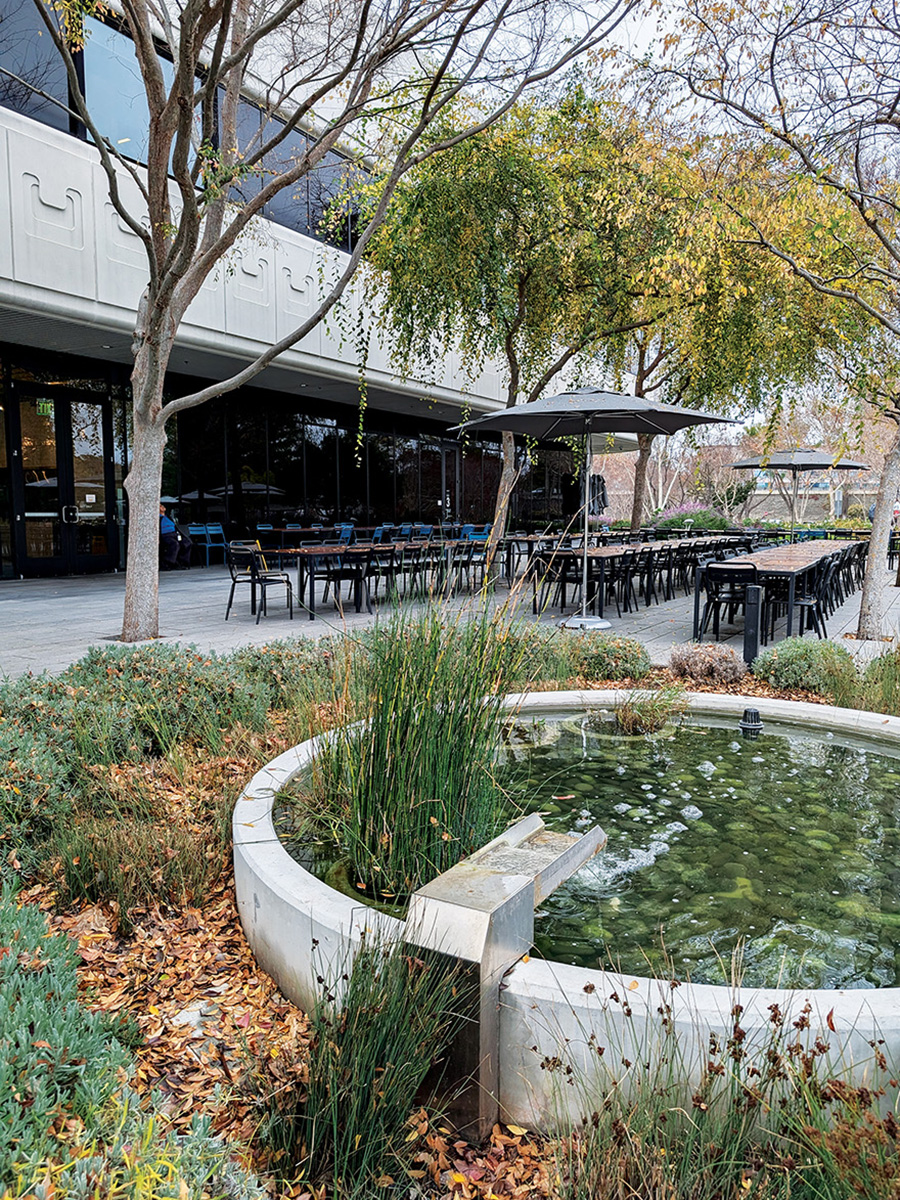
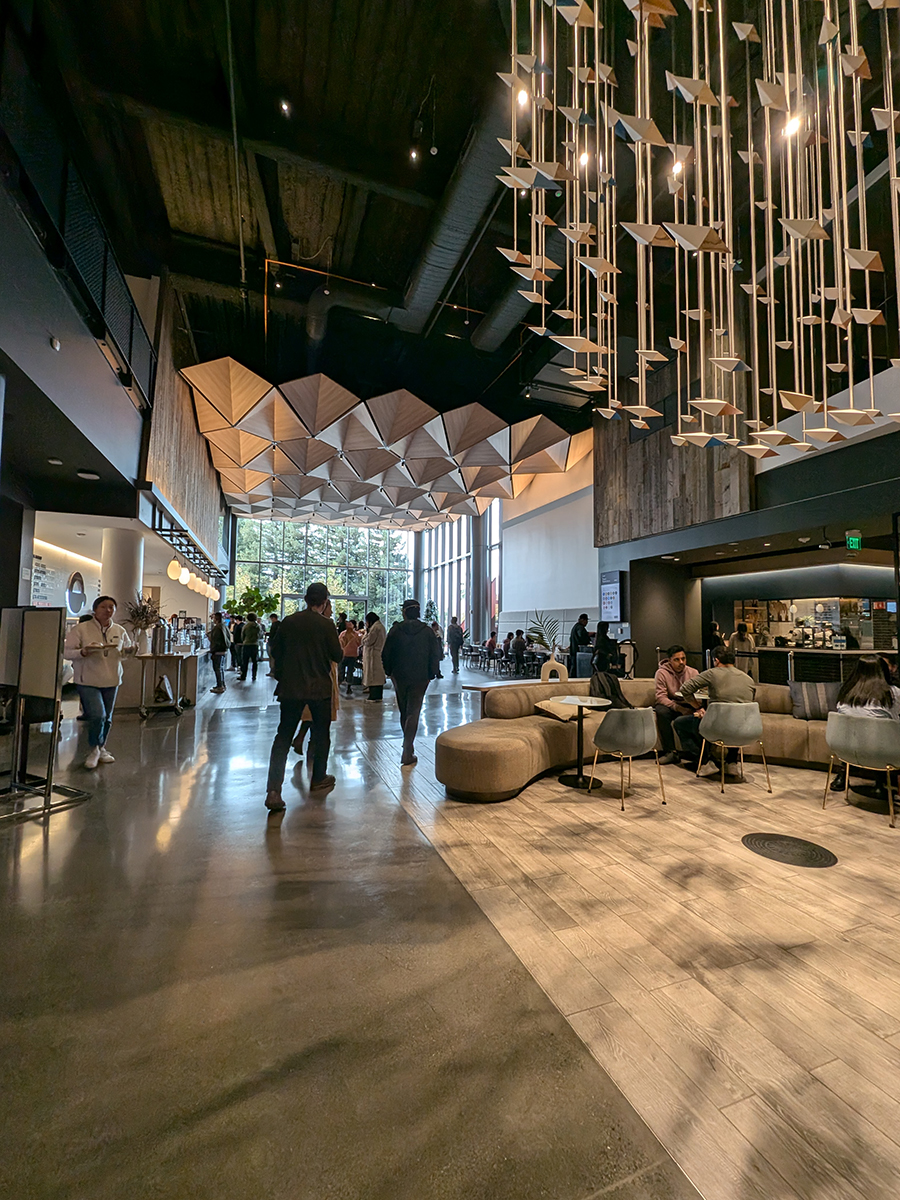
In the US, the LinkedIn campus in Silicon Valley hits all the right design notes too. With elements of adaptive reuse (existing buildings were renovated and upgraded but remain lower in height), landscape brought back onto the site (much of the campus is dominated by landscape, wetlands and biofiltration) and flexibility (food trucks, adaptive cafe and other temporary features), the impact is greater connectivity, access and activating campus life. For example, the outdoor barbecue pods pack up or fold out easily for team members and their families to use, welcoming the broader community into LinkedIn’s outdoor spaces.
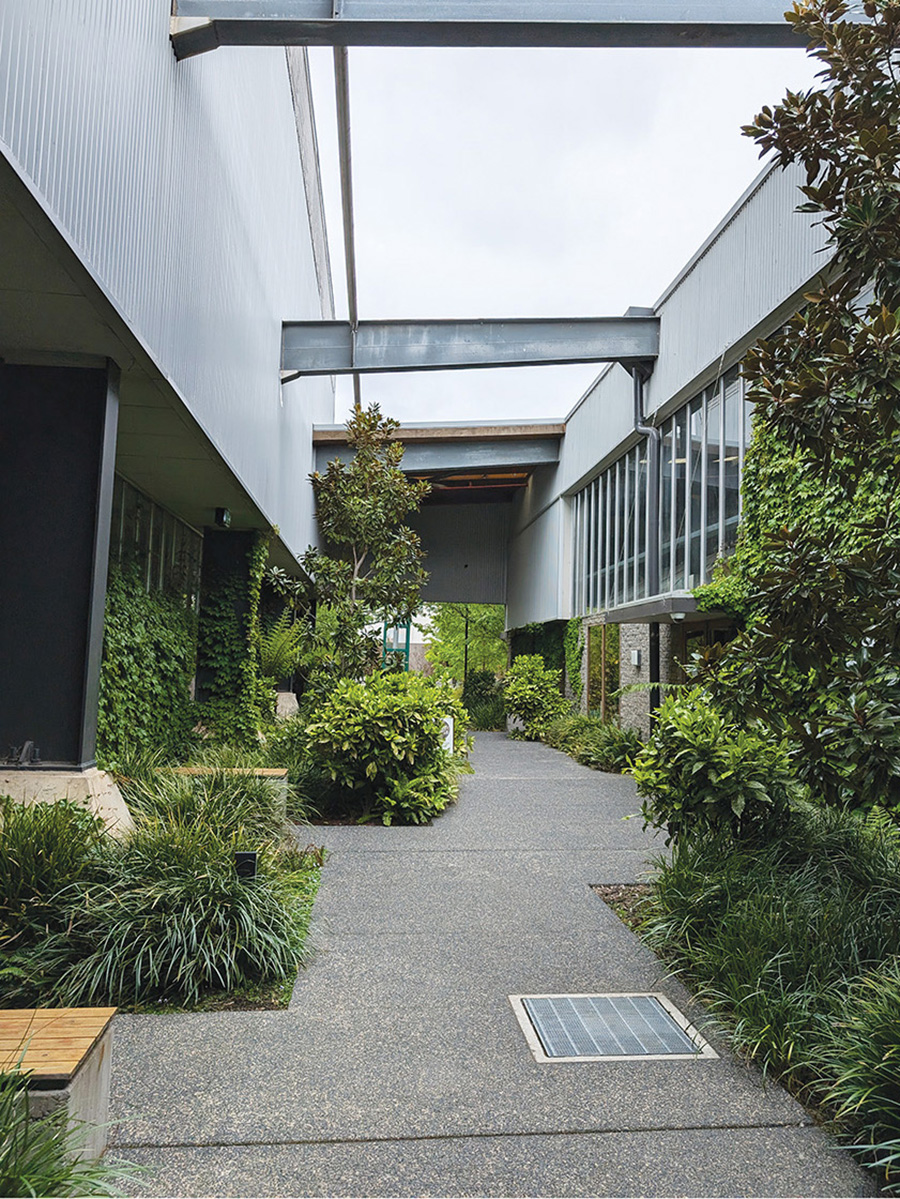
Skyfields by Perth Airport’s team and I also visited projects closer to home, including Molonglo’s Dairy Street industrial redevelopment near Canberra Airport, which is another positive example. On the edge of a wetland habitat, it repurposes existing 1960s industrial warehouses into a commercial offering that balances art and industry. The native landscaping and quality design offer are key drawcards for the 40 businesses that now call it home, creating a neighbourhood that embraces the authenticity of the past. This is in a similar vein to the Commonwealth Bank of Australia headquarters in South Eveleigh, Sydney, which transforms old railroad buildings into a high-tech building of eight storeys for 4,000 employees.
Learning lessons
These insights from the global study offer valuable applications and, to an extent, are already being realised.
Skyfields by Perth Airport is currently transforming disused, non-aviation land into one of the largest urban redevelopments in Australia. Our team is currently working with Skyfields by Perth Airport on numerous development sites for retail, sports and workplace campuses with a focus on transitioning carpark into urban renewal and landscaped green spaces. This twist on tradition typically sees trees demolished for buildings rather than the opposite way around, but by amplifying the original site use we can create better outcomes.
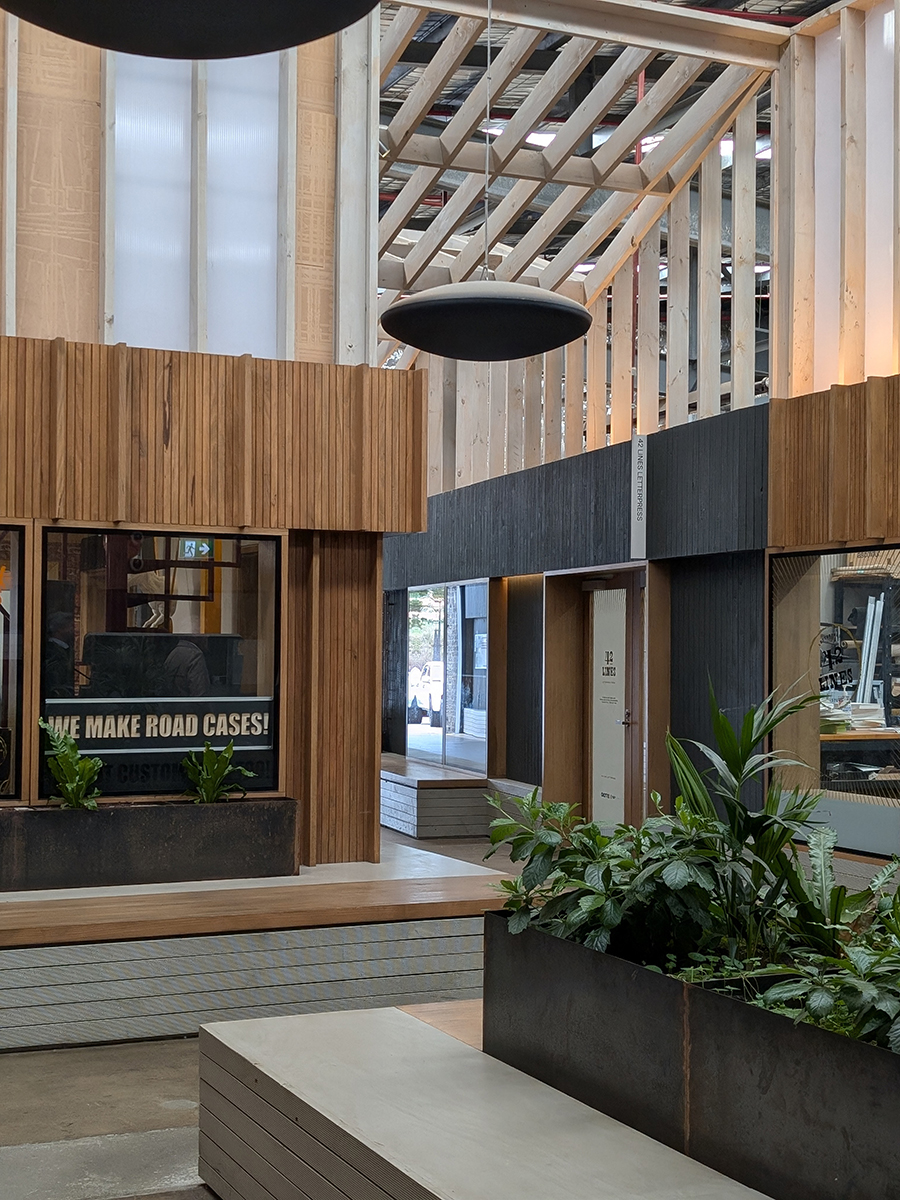
Furthermore, our CBDs require deeper insights to create thriving places. Without the physical space to curate an experience from scratch, like a new shopping centre, they must fill in space that’s already there, leaning into its history and past use to create an experience that is less about taking a payment and more about creating a moment.
Harnessing the spaces between tenancies won’t necessarily earn profit directly on paper, but will add to the experience, increasing footfall and longer-term value and sustainability.
The value of unlocking these non-traditional and non-transactional spaces is not simply about transforming use but the bigger picture, about how they will be used and what impact they will make as part of a wider precinct. There are incredible opportunities within our CBDs – we just need to think differently to recognise that the stronger the amplification and authenticity, the greater their success.
Future CBD projects will need more than grand gestures, they must focus on the spaces within, in-between and getting this balance right.
This article, authored by Andrew Tang-Smith – Associate Director at Hames Sharley, is featured in the latest edition of SCN magazine.


Add comment