

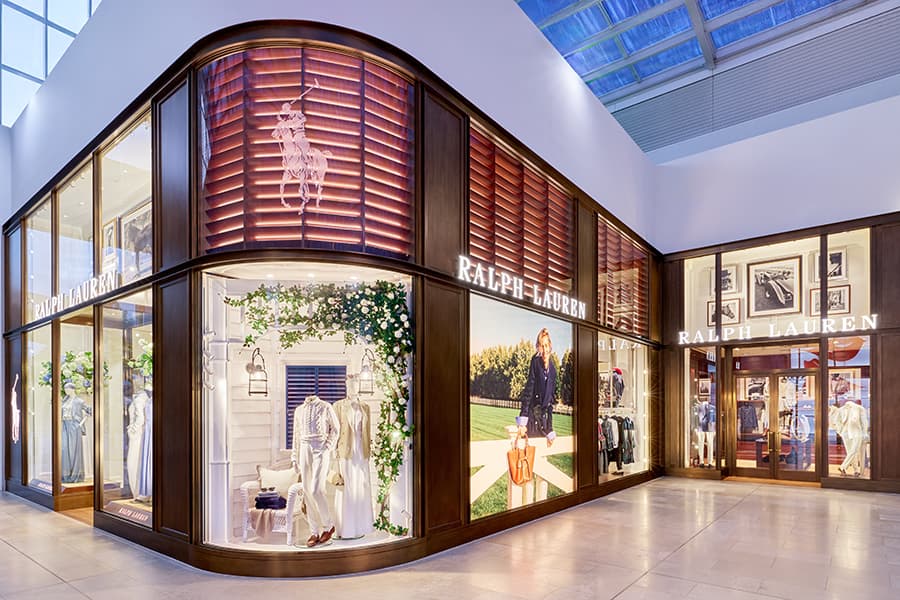

Andrew Falson, Director of Place and Design at Titanium Property, reveals the quiet but critical role of Retail Design Management. From aligning stakeholders to shaping cohesive shopfronts and public spaces, he shows how RDMs turn complex projects into retail precincts that feel effortless, inviting, and built for success.
Whenever you find yourself in a retail precinct that feels effortlessly inviting, it’s worth remembering that these places don’t simply appear. They are the result of years of planning, collaboration and careful execution. When done well, these environments evolve into public spaces where people want to spend time and feel an authentic sense of ownership.
At the heart of this process is a role many people never see: the Retail Design Manager (RDM).
The balancing act of retail design
Over the last 25 years, I’ve seen firsthand how the RDM role makes or breaks a retail environment. The responsibility sits at the intersection of creativity and commercial reality. On one side, there’s the pursuit of beautifully executed spaces; on the other, the need to meet speed-to-market requirements. Navigating these two demands with equal focus is where the true skill lies.
Communication: the core of collaboration
In my experience, communication underpins every successful collaboration. An effective RDM ensures stakeholders – owners, leasing teams, consultants, and retailers – stay aligned at every stage. This isn’t just about updates; it’s about giving the right information at the right time so everyone can act with clarity.
Early engagement with the leasing team, for example, allows us to surface technical requirements before a deal is signed. Electrical loads, kitchen extraction, and compliance issues can all be addressed up front, saving costly redesigns later. That foresight helps leasing discussions flow more smoothly and gives all parties confidence in the outcome.
Setting up retailers for success
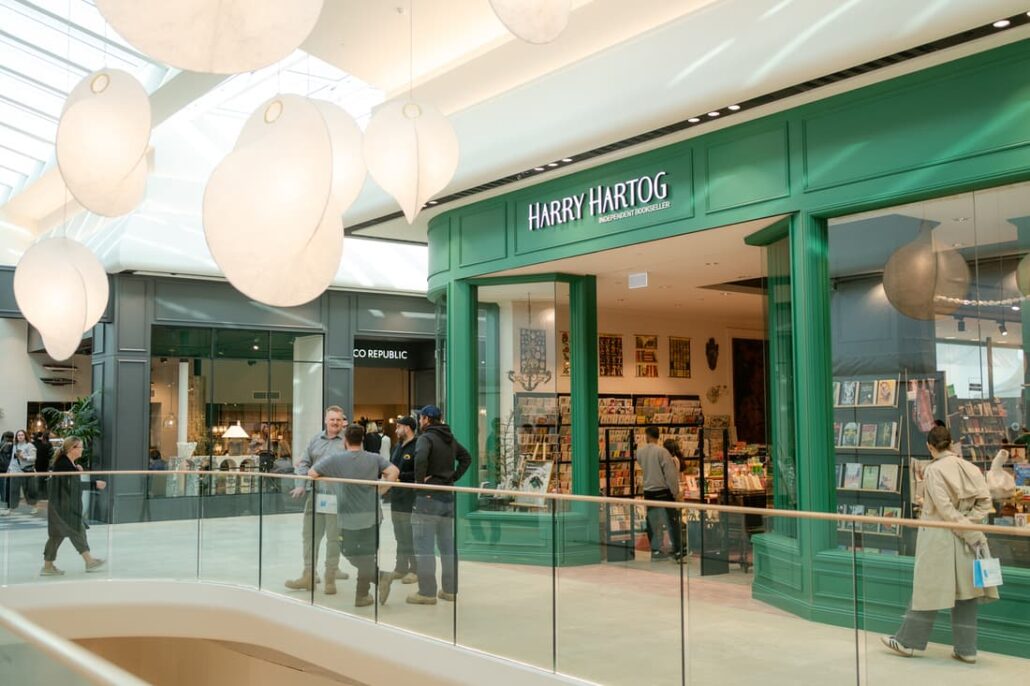
Another key part of the role is preparing retailers for their journey into the precinct. That means providing a clear design brief, outlining vision and criteria, timelines, and fitout budget parameters. When retailers know what’s expected – and where the opportunities lie – they can make informed design choices that benefit both their brand and the precinct overall.
I’ve worked across the sector, from global brands to first-time bricks-and-mortar retailers. Each comes with different needs, expectations and pressures. A good RDM adapts their approach to suit those differences while keeping the bigger picture intact.
Navigating tensions with precision
Of course, not every process is seamless. There are times when retailer ambitions collide with the precinct’s design vision. In those moments, the RDM’s role is to provide open communication, clear processes, and pragmatic guidance that resolves conflicts before they become expensive problems. By keeping discussions grounded and collaborative, we ensure the focus remains on delivering great outcomes for all involved.
The principles of strong design
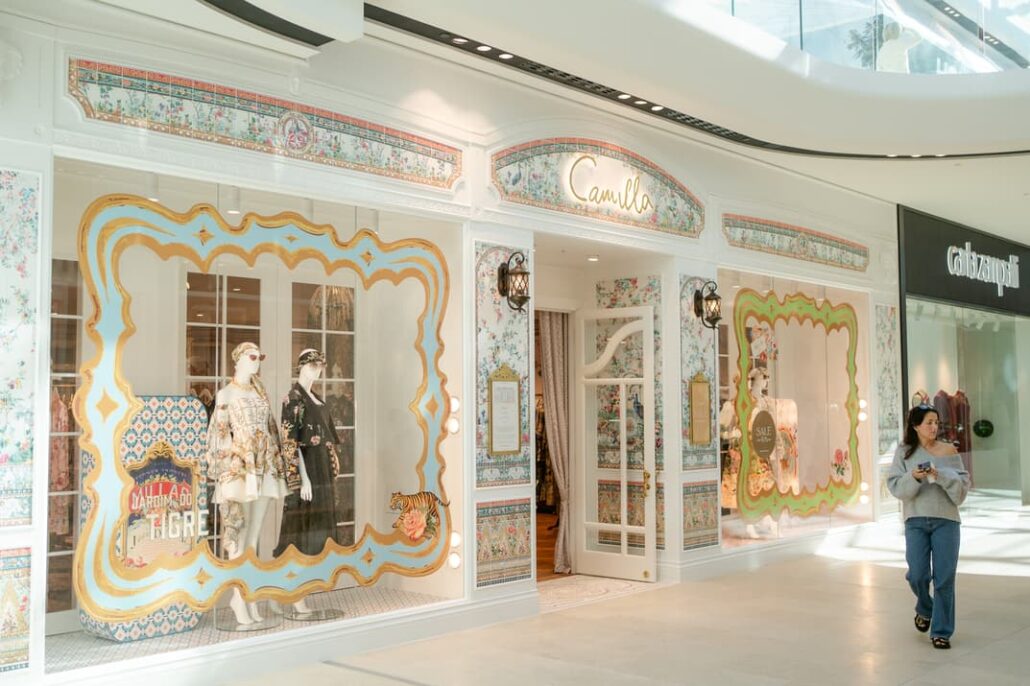
Beyond process and communication, the craft of retail design relies on several timeless principles. These guide tenancy reviews and ensure individual shopfronts contribute to a cohesive, appealing environment.
- Horizontal alignment: Achieved through inferred shopfront datum heights, creating visual continuity across tenancies.
- Vertical rhythm: Strong vertical elements introduced with intention to maintain visual interest.
- Proportion: Ensuring shopfronts retain human scale, rather than overwhelming visitors with oversized entries and shopfront displays.
- Visual texture: Layering materials, forms and finishes to add depth and richness.
- Fine grain: Injecting variation and detail to prevent monotony and create nuance.
Applied consistently, these principles transform a collection of tenancies into a compelling, unified precinct.
Beyond the lease line
Great retail and mixed-use environments don’t stop at the shopfront. Public spaces – plazas, kerbside zones, tower ground planes – demand just as much thought. I’ve always believed that breaking down traditional lease-line boundaries helps create a layered external environment that feels more natural and engaging.
Landscaping, casual dining, ambience, and physical activation all combine to extend the customer journey and encourage dwell time. When done well, the result is an integrated ground plane where people don’t just pass through – they stay, engage and return.
The quiet conduit of success
Ultimately, the Retail Design Manager is the bridge between the property owner’s vision and the retailer’s brand expression. By guiding, aligning and curating the process from both sides, the RDM ensures every stakeholder plays their role in shaping a successful, vibrant environment.
Shopping centres that feel seamless aren’t the product of chance. They are the outcome of expertise, discipline, and a deep understanding of how people and places connect.
- This article was first published in SCN magazine – Mini Guns 2025 edition


Add comment