

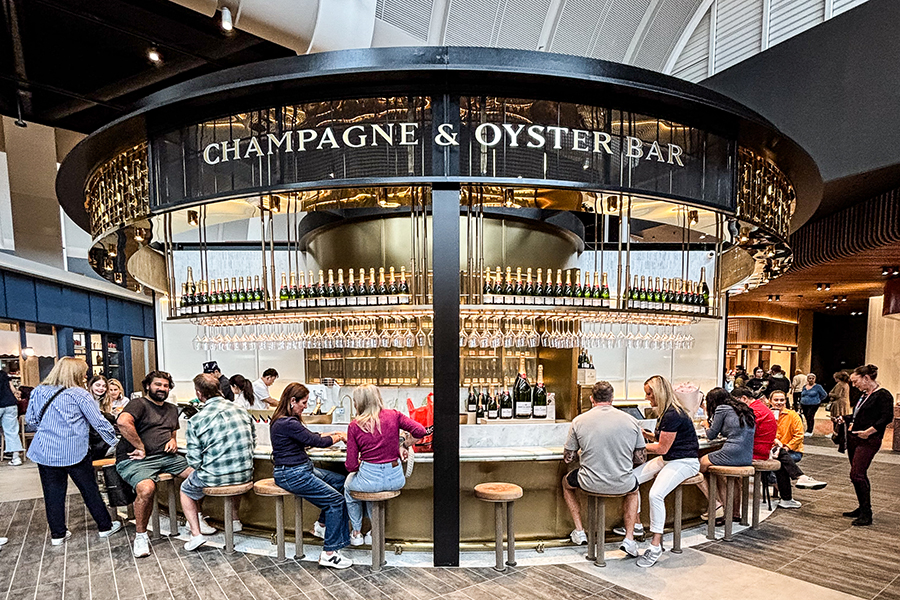

Over the past decade, few trends have reshaped the landscape of retail real estate more than the rise of food and beverage. Future Food’s Allan Forsdick explores how dining has evolved from a supporting act to the headline feature, driving footfall, shaping identities, and anchoring major redevelopment efforts across the globe.
Across Australia’s leading retail and mixed-use centres, food and beverage (F&B) has quietly emerged as the most powerful catalyst for transformation. Dining is now central to the customer experience, commercial performance and cultural identity of leading precincts.
From the layered dining ecosystems of our CBD Guns, the community-focused transformation of Parramatta Square, and the headline-grabbing launch of Market Pavilion at Chadstone, food is the headline act. And globally, precincts like Fifth + Broadway (F&B – that’s right!) in Nashville and Dubai Hills Mall by Emaar in the UAE, F&B has moved from the margins of retail planning to become the anchor of customer experience and commercial strategy. These centres offer a glimpse into how F&B, lifestyle and culture can fuse to become the main attraction. Food is more than flavour; it’s the framework for the future.
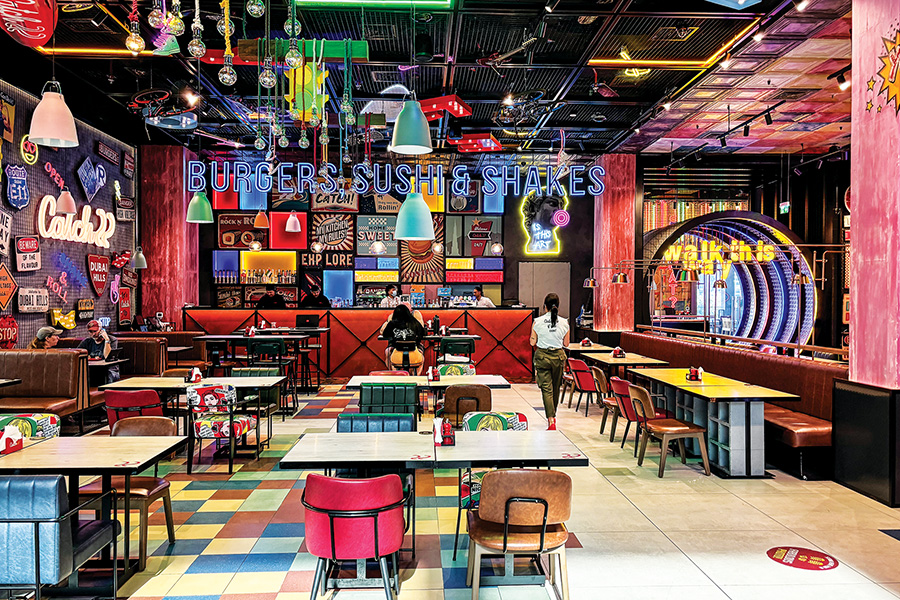
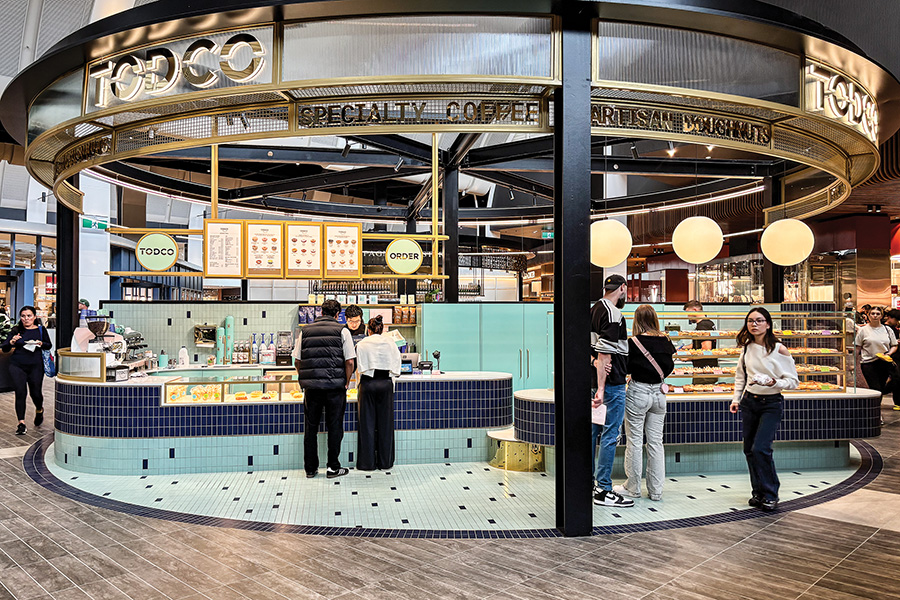
Food and hospitality — from add-on to anchor
For the top-performing centres in this country (and around the world), food is the anchor. This shift is structural, not cyclical, driven by macro trends that have fundamentally reshaped the purpose of physical retail.
In the experience economy, time has become the true currency. Across every demographic, people are investing in moments rather than materials, prioritising connection, ambience and experience over consumption. Whether it’s a long business lunch, a visually curated dessert shared on social media, or an early morning espresso ritual with friends, dining has become a form of lifestyle expression. The act of eating out now carries emotional and social value that far outweighs its transactional roots.
At the same time, the rise of remote work and more fluid daily routines has created a hybrid economy, where food precincts must respond to constantly shifting patterns of demand. Gone are the rigid distinctions between weekday and weekend, lunch and dinner. Instead, successful venues cater to a broad spectrum of use cases, from solo workers seeking a laptop-friendly table mid-morning, to post-school family meals and late-evening social meetups. Flexibility and all-day relevance are now central to precinct performance.
Meanwhile, digital and delivery disruption has removed convenience as a competitive advantage. With online platforms covering speed and access, the physical store, or centre, must go further. It must create genuine, human connection. The retail environment’s value now lies in how it makes people feel. In this context, food isn’t just a service, it’s a strategic tool for generating dwell time, emotional loyalty and repeat visitation.
As a result, leading centres are designing precincts where food is no longer an afterthought; it is the driver of visitation, loyalty and identity.
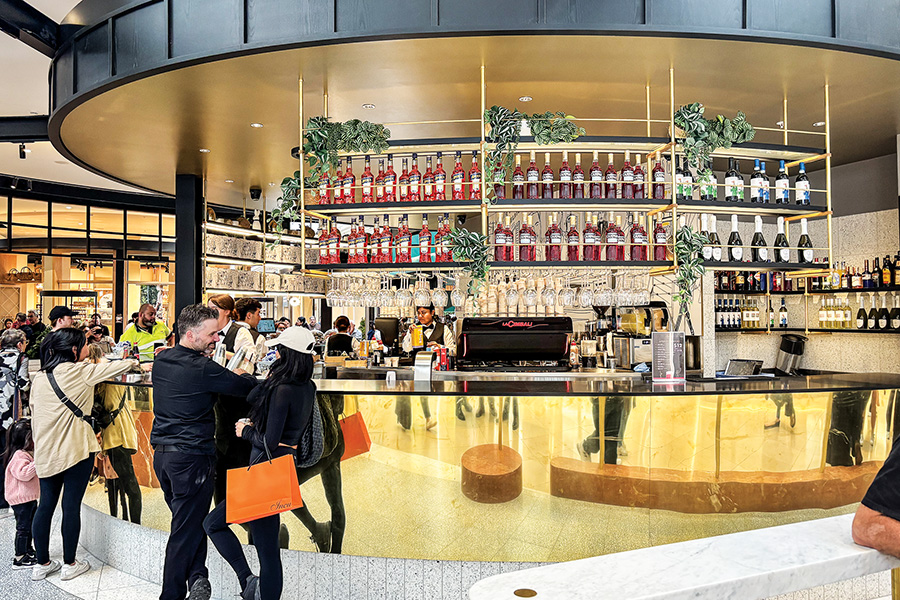
Chadstone, Market Pavilion and a decade of culinary investment
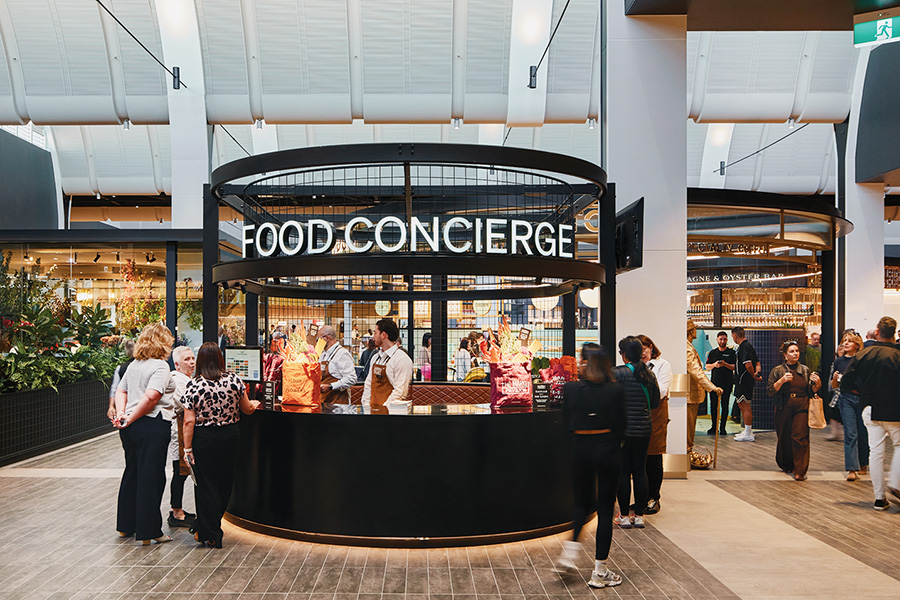
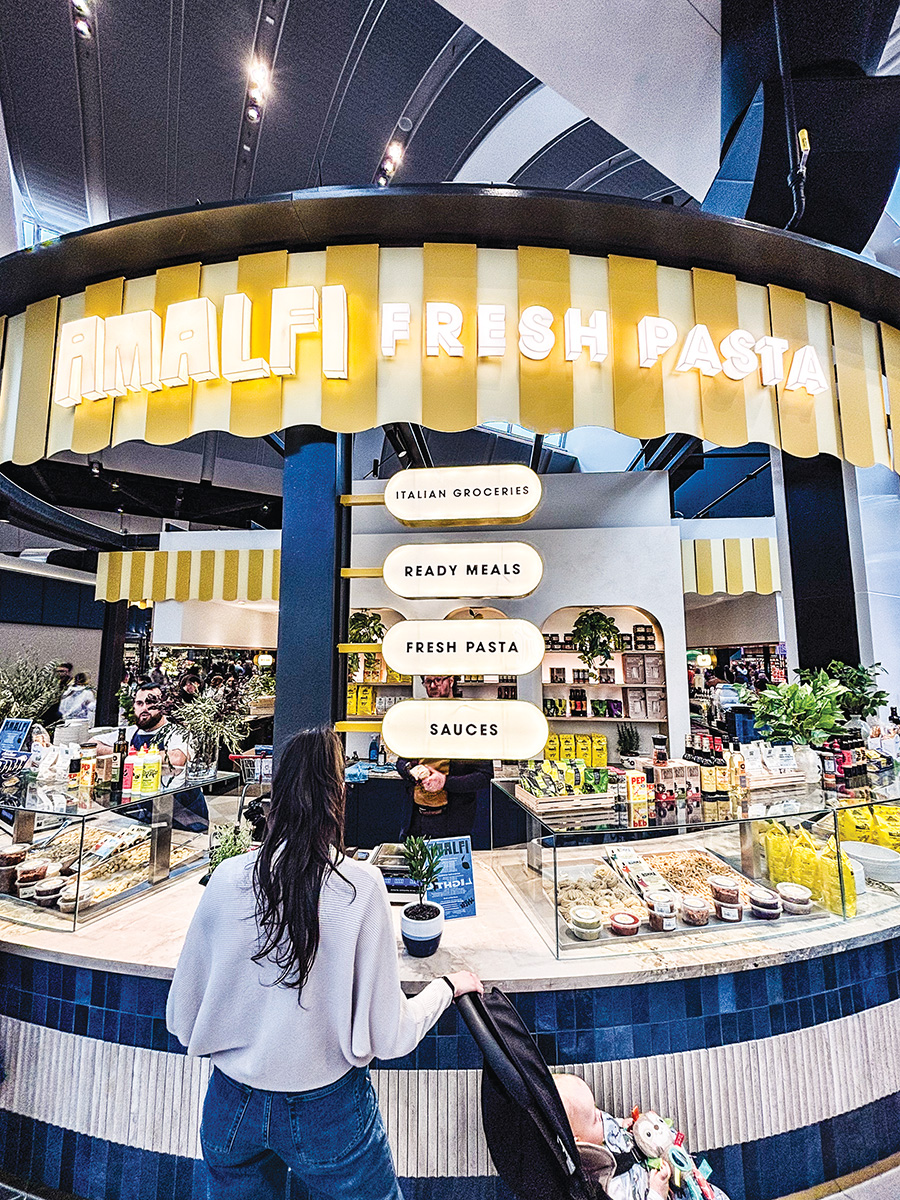
Chadstone, the largest and most successful shopping centre in the southern hemisphere, is a case study in strategic food investment. Across more than a decade, nearly every major redevelopment has prioritised food in some form: from Food Central to the Social Quarter, to luxury restaurant Pastore and now the jewel in the crown, Market Pavilion.
Opening earlier this year, Market Pavilion draws inspiration from European food halls and global marketplace formats, blending artisan traders with signature eateries in a high-ceilinged, glass-enclosed architectural setting. It’s an offer that blends fresh produce, prepared meals, event-led activations and communal dining, appealing equally to weekday shoppers, local office workers and international tourists.
But Market Pavilion is not an isolated trend. It’s the culmination of contemporary retail philosophy that sees food as fundamental to place-making; a principle echoed in leading centres across the country and the globe.
It’s no coincidence that Chadstone again ranks as the number one ‘Big Gun’ in Australia and remains a benchmark destination centre globally.

Hyper localisation of F&B in airports
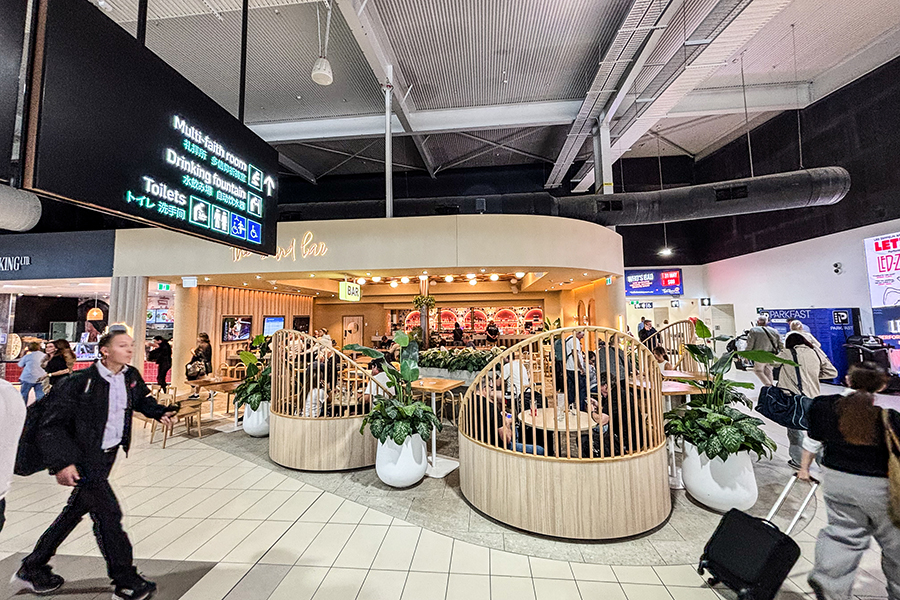
Airports are increasingly repositioning their food and beverage precincts to better reflect their local context and deliver a more lifestyle-led experience for travellers.
At Gold Coast Airport, the $260 million terminal expansion has introduced a new mix of 14 food and beverage venues designed to echo the region’s relaxed coastal character. The offer combines familiar national names with local operators, including Wollumbin Café & Bar, which draws inspiration from the surrounding hinterland and coastal landscape.
With growing passenger numbers and shifting travel patterns, the new precinct moves beyond functional dining, aiming to capture the laid-back, sociable energy the Gold Coast is known for. From fresh grab-and-go options to venues designed for a more leisurely pre-flight experience, the upgraded terminal reflects a broader shift in airport design — one that places lifestyle, locality and choice at the centre of the passenger journey.
Meanwhile, Sydney Airport’s Qantas terminal (T3) is preparing for its own major food precinct refresh (due late 2025), with a renewed focus on contemporary dining, improved circulation and offers that better align with changing traveller behaviours. It’s all about luring travellers from the refuge of the lounge to the aspirational design-led spaces from Architectus.
Urban F&B renewal in Town Centres
Parramatta Square, in Western Sydney, showcases the power of food in civic and workplace environments. As one of the most ambitious urban redevelopments in Australia, the precinct has prioritised public space, workplace wellbeing and cultural engagement, with food at its centre.
Home to a mix of local operators and flagship cafes, the Square’s offer caters to thousands of office workers, residents and city visitors alike. Unlike traditional shopping centres, this is a 7am to 10pm precinct, where breakfast meetings roll into lunch breaks, then early dinners and cultural events.
The key to Parramatta’s success? Not just variety, but authenticity, the sense that food is designed around the community, not dropped in above it.
Parramatta Square is a great example of how food and hospitality have provided the place overlay for successful activation and launch of a new civic precinct.
Global evolution of compelling food precincts
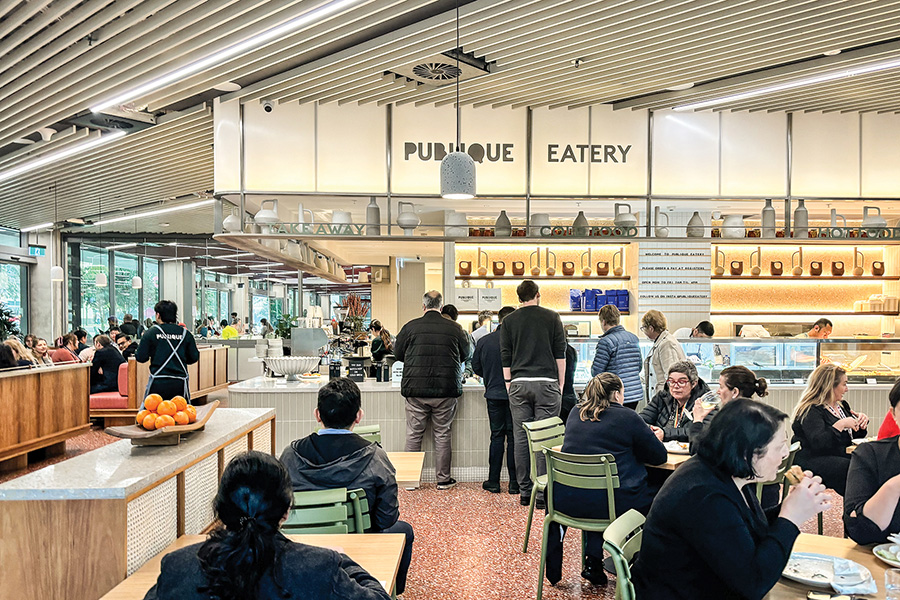
Globally, food and beverage is no longer just about consumption, it is central to how people connect, belong and express identity. The most compelling F&B environments are those that embrace community, experience and authenticity. Clustered and modular food halls continue to rise, designed for flexibility and social interaction, while hyper-local and chef-led concepts deepen cultural connection.
The growth of competitive socialising, interactive dining and event-based programming is evidence of a broader shift toward F&B as immersive, memory-making theatre.
Simultaneously, the pursuit of authenticity is driving menus rooted in place and story, with elevated street food, open kitchens and storytelling menus now standard in leading developments.
For landlords and developers, these trends are more than aesthetics, they are strategic design cues for how to future-proof food precincts as cultural and commercial anchors.
Fifth + Broadway in downtown Nashville offers a powerful case study in cultural-scale food integration. Its 9,000sqm Assembly Food Hall includes more than 30 eateries, rooftop stages, entertainment venues and chef-led concepts, blending culinary innovation with live music and local identity. It’s a multi-sensory precinct that captures the energy of the city. Fifth + Broadway shows how food, retail and experience can seamlessly fuse in a downtown, mixed-use environment, drawing locals and tourists with equal intensity.
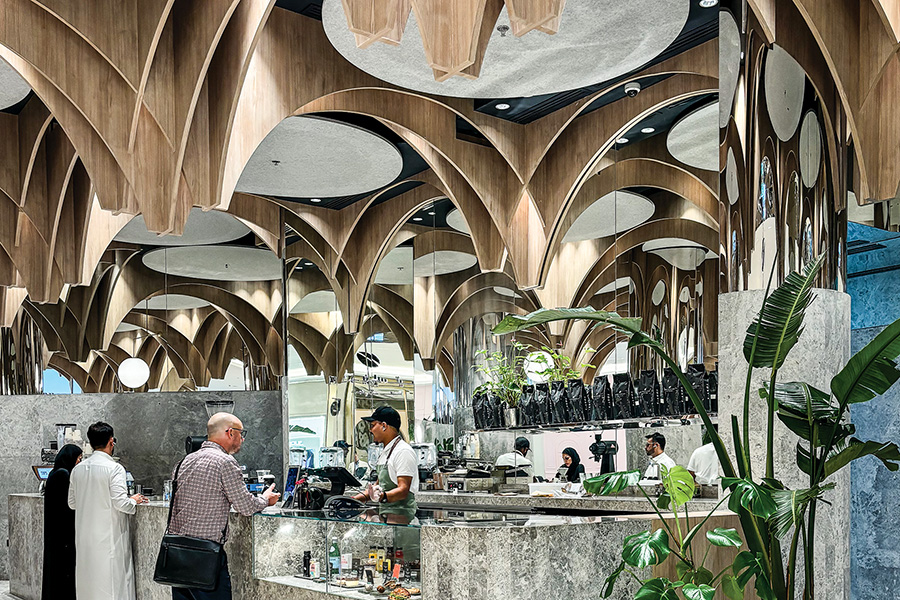
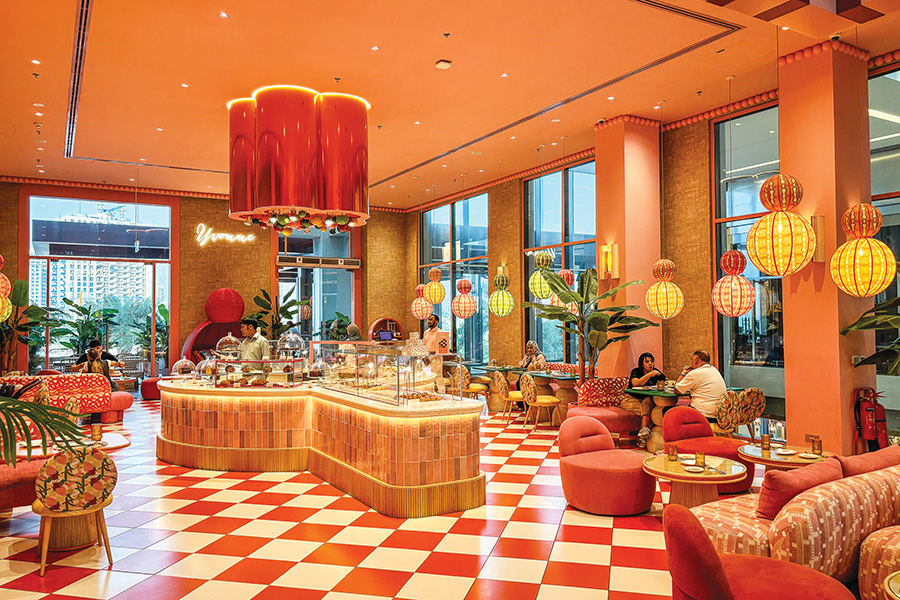
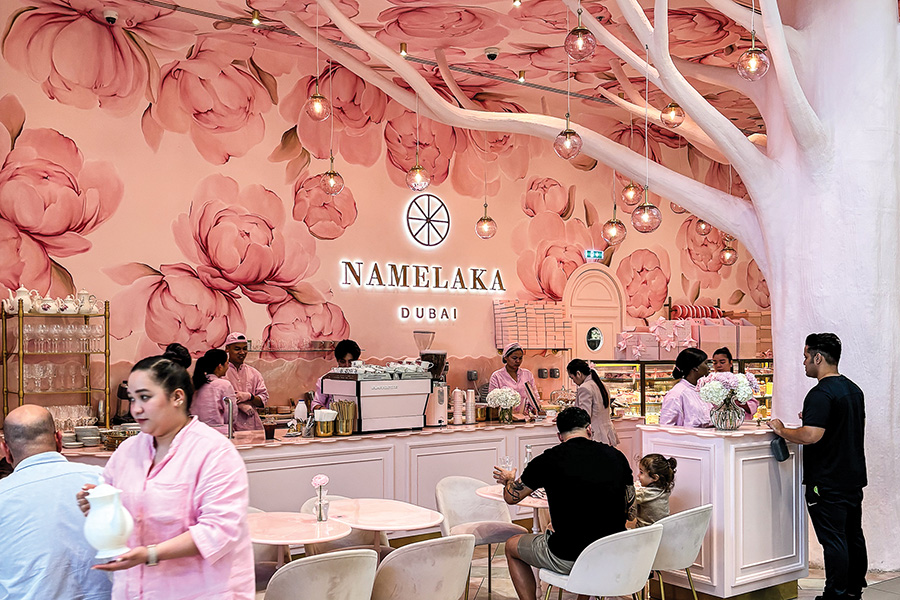
Emaar’s Dubai Hills Mall in Dubai, presents yet another paradigm. Designed as a next-generation lifestyle destination, the centre integrates experiential dining directly into its architectural and programming fabric. From immersive food pavilions and global concepts to curated fine dining and tech-enabled quick service, the F&B offer supports everyone from luxury shoppers to family day-trippers and regional tourists.
The centre’s food strategy is embedded in its place-making, positioning Dubai Hills as both a retail magnet and a community hub, connected to residential zones, green spaces and transit corridors. Its success underscores a global trend; food precincts are centre-stage, designed for sensory experience and commercial impact.
Trends shaping food in 2025
The best-performing precincts are not just increasing their F&B footprint, they’re also evolving their strategy. Across leading Australian centres, key trends define the 2025 approach.
From the immersive Market Pavilion at Chadstone and the layered dining square at Parramatta, to Fifth + Broadway’s culturally charged food hall in Nashville and the theatrical hospitality at Dubai Hills, a new narrative is taking shape in global retail development: food is the headline feature.
Once measured by convenience and footfall alone, food is now being treated as infrastructure, shaping the masterplanning of centres, driving community interaction and anchoring new visitation behaviours. For landlords and developers, the question is no longer if food matters. It’s about how meaningfully it can be embedded into the experience of place.
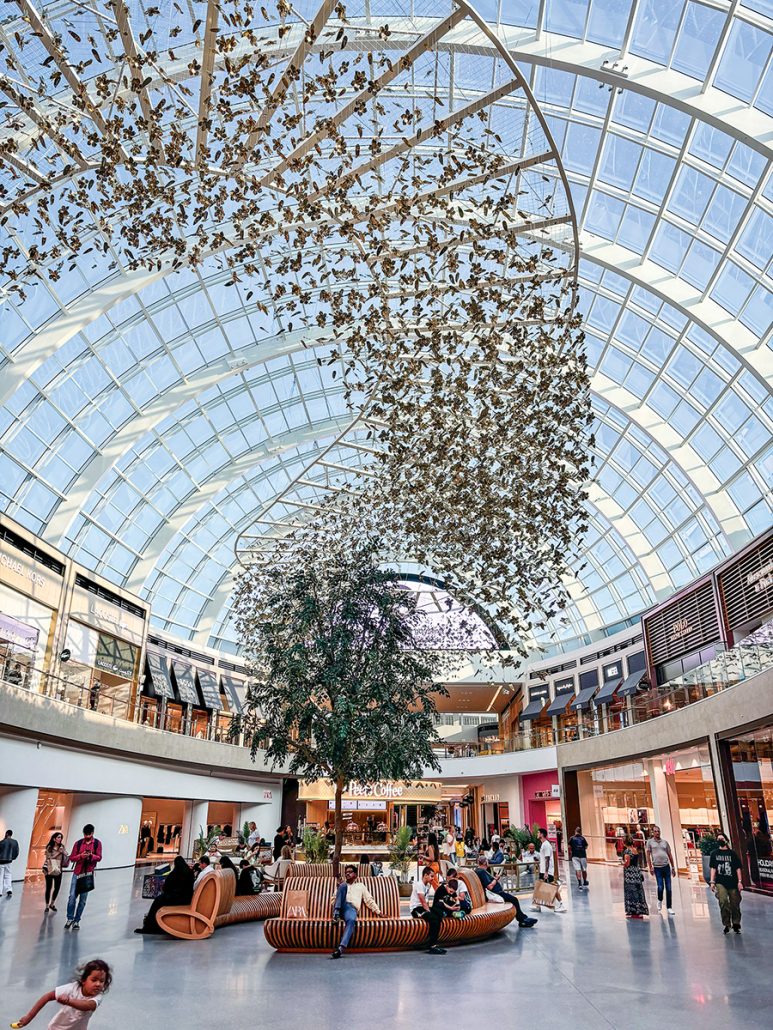
Across leading destinations, five major trends are redefining the way food precincts are conceived and delivered.
1. Layered precincts with distinct purpose: Gone are the days of a single food court. Today’s centres increasingly support multiple food zones, each tailored to a different audience, rhythm and reason for visit. Casual hubs near entertainment, fresh food marketplaces tied to weekly routines, express dine-and-go laneways, and premium restaurant precincts with a strong evening economy now coexist, offering diversity and depth within the same asset.
2. Cultural programming and soft activation: Food precincts are evolving into cultural destinations, complete with curated programming, chef takeovers, seasonal tastings, live music and local residencies. These activations are less about spectacle and more about building emotional equity and repeat visitation. Located within the Potter Museum of Art at Melbourne University, Residence is an ever-evolving hospitality concept where food, culture and conversation collide. Founded by seasoned industry leaders Nathen Doyle and Cameron Earl, Residence champions a bold new model of food-first programming that places culinary creativity at the heart of the cultural experience. With a revolving door of Australia’s most exciting chefs and front-of-house talent taking up annual residencies, the venue transforms year-on-year, offering guests something entirely new with each visit. More than just a cafe or restaurant, Residence is a living platform for expression, where seasonal produce, boundary-pushing ideas and exceptional service come together to honour the spirit of the museum and its community. It is a place of pause and inspiration, inviting guests to engage, reflect and return.
3. Omni-channel integration as standard: Dining is now fully embedded into the digital commerce landscape. Centres are implementing app-based loyalty systems, Click & Collect food bays, and dedicated logistics zones for delivery partners. Rather than competing with digital food platforms, centres are embracing them as extensions of their ecosystem, bridging online and in-person experiences.
4. Agile leasing and evolving formats: Shorter, turnover-based leases are enabling more responsive tenancy mixes and encouraging local operators to enter premium environments. With fewer barriers to entry, landlords can curate more purposefully and respond to trends in real-time. This agility extends to formats: food today appears as cafe-retail hybrids, market-style traders, pop-ups, speakeasies and even mobile concepts, each contributing to a dynamic and evolving landscape.
5. Curation over commoditisation: Perhaps the most fundamental shift, especially in a retail centre context, is the move away from global homogeneity. Consumers are hungry for place-based stories, and developers are responding by favouring local heroes, emerging cuisines and culturally focused operators. The result is a retail environment that feels rooted, relevant and distinctive.
Together, these trends reveal a powerful truth: food is not just a tenant category, it is a platform for innovation, engagement and identity.
In the next era of mixed-use and retail revolution, those who treat food as core infrastructure will lead the way.
Risks and rewards
As with all growth sectors, food brings complexity. High fit-out costs, labour challenges, and evolving consumer expectations mean that leasing and asset teams must consider food planning thoroughly and engage deeply with operators. The difference between success and stagnation often comes down to how well the offer is tailored to the community, catchment and time of day.
Well-executed precincts, like those mentioned above, share one thing in common: they treat food as the central component of the place strategy.
The new recipe for success
Retail in 2025 is no longer defined by what’s for sale, but by where people choose to spend their time. Food is the drawcard, the differentiator, and the cultural heartbeat of the experience. For centres seeking long-term relevance, smart investment in food is no longer optional, it’s essential. Because when delivered with intent, food doesn’t just fill tables. It shapes the character of a place.
- This article by Allan Forsdick of Future Food was first published in SCN magazine.


Add comment