


If you grew up in Australia before the 2000s, there’s a fair chance some of your best memories with your friends happened under the fluorescent lights of your local shopping centre.
We were all ‘mall rats’ at some stage. The shopping centre was where you went when you were old enough to fly solo – dropped off by mum or dad with $20 and a pickup time. Like many others, I have great memories at the local arcade with schoolmates, catching a movie after school, or just walking the tiles. It was quietly agreed that shopping centres were the safest public places a school-aged kid could be with their friends. It’s then that many of us worked our first jobs; that crucial stepping stone into the workforce.
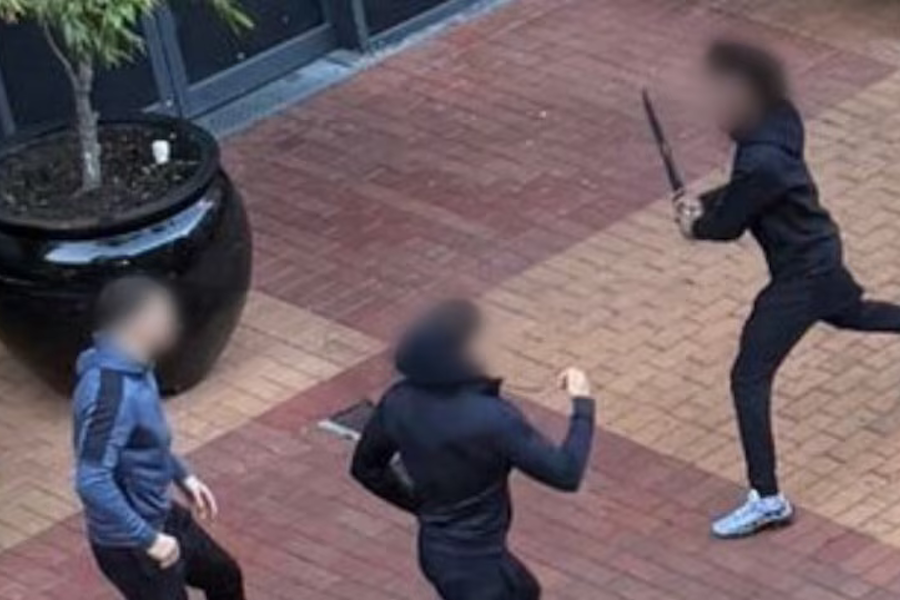
Today, shopping centres face big challenges. We’ve seen a rise in violent and threatening behaviour in these very places we all grew up in. From smash-and-grabs at jewellery stores to brawls with security in front of shoppers, like what we saw in Bankstown last week. Last year, rival gangs chose a food court in the North Melbourne centre for a machete fight, as families sheltered behind locked shop doors, and a car blitzed through a Victorian centre as witnesses ducked for cover. In seeing all of this, parents will understandably be thinking twice before their kids head off with their friends.
Shopping centres face larger public safety challenges beyond just typical retail theft at the stores within them – they also deal with risk across large crowded areas, and social, transportation, retail hubs with multiple entrances, and large car parks. It’s a hard ask for frontline retail workers, security guards and management.
When a crime event occurs at a shopping centre, there is a one in three chance it is violent or serious, while for retail stores that figure is one in 10. What’s consistent across the board, however, is that repeat offenders are driving the majority of crime. The top 10 per cent of offenders are responsible for about 70 per cent of the crime in shopping centres, and across the sector. This is why the key to change is cracking down on repeat offenders to take back these spaces for our kids, the elderly and families.
Retail, shopping centres and police across the country should be empowered to modernise and work together in new ways. We are seeing pockets of excellence, like Operation Percentile in NSW, driven by intelligence-led policing and retailers working together to zero in on the top offenders. The tide looks to be turning in Victoria too, through VicPol’s Operation Pulse, which boosts police visibility at shopping centres, giving retailers more on-the-ground support to complement the work they’re doing to record crime consistently and surface high-harm offenders. So far, one supermarket reported a 27 per cent drop in crime events at Operation Pulse locations since the initiative began, while another retailer reported a 58 per cent reduction in crime events.
What’s promising is that Australian shopping centres, supported by the likes of the Shopping Centre Council of Australia, are some of the most responsible and innovative players in combatting crime anywhere in the world. They think about how technology can revolutionise security to stamp out the machetes, stabbings, knife crime, and thoughtless assaults that put shop workers and shoppers at risk.
The reassuring part for the millions of us who just want to do our shopping in peace is that because the harm is driven by the few, the response can be focused and high impact. Centres across the country are seeing positive results by working together using tech like Auror. The platform has given retailers and the centres themselves a consistent and structured way to record retail crime events, which helps them surface the top repeat offenders that are going from store to store, centre to centre, and behaving in a threatening or violent manner. This is all about giving frontline teams within our shopping centres the tools to focus their limited resources on the top serious offenders causing most of the harm – that’s where technology like Auror is making a difference for retailers across the country.
No single tool or one-off initiative will be a silver bullet for this problem, but if centres can continue to be supported by greater police visibility, and are encouraged to work hand-in-glove with the wider retail sector to surface the true scale of retail crime, then they become very hard places for thugs to target. That shared responsibility for public safety is how we keep our local centres safe, take back the trouble spots, and establish those shared spaces that we’re all nostalgic for.



Add comment