



The forces reshaping retail
If 2024 was the year investors rediscovered retail, 2025 confirmed that its resilience is structural. Transaction volumes in Australia remained strong, with activity driven by a growing mix of institutional investors and syndicators. We also saw continued yield compression, supported by transactions with larger lot sizes and renewed appetite for regional centres. Over the last 12 months, data shows, retail transactions rose to about $10.5 billion to Q3 2025, with a clear shift toward $100 million-plus deals and sustained demand for neighbourhood and large-format retail centres, as funding costs eased and competition returned.
We have seen cap rates tighten by about 25-plus bps overthe last 12 months since December 2024, after a period of stagnation. This is viewed as modest growth, with the market well positioned to remain stable and avoid overheating. Average cap rates for convenience retail sit at around 6.3 per cent, compared with about 6 per cent for office and 5.5 per cent for industrial. Taking incentives into account, yields for retail are around 5.8 per cent, 4.5 per cent for industrial, and low-to-mid 4 per cent for office, demonstrating that the retail sector continues to offer strong relative value for investors. This attractive return profile has no doubt contributed to the recent uplift in confidence and investment activity across the sector.
Demand fundamentals have helped drive this renewed interest. ABS data showed retail turnover increased 4.6 per cent, year on year, in July 2025, followed by a strong spring period as household spending rose 1.3 per cent month on month in October 2025 – the strongest monthly gain since early 2024. The spending shift is increasingly experience‑led, with food, dining, wellness and health categories outperforming discretionary retail.
The Westpac–Melbourne Institute Consumer Sentiment Index also improved throughout 2025, peaking at over 100 points in November – the first time it had done so since 2022 – indicating rising optimism in the market. The Index dropped below 100 points in December, likely reflecting concerns about interest-rate cuts stalling in 2026 and the potential for rate increases throughout the year. This suggests emerging caution and highlights that some instability still lingers beneath the surface.
Leasing spreads across the retail landscape have remained solid over the past 12-plus months, with most landlords achieving between 2 per cent and 5 per cent growth on passing rents. This highlights the strength of the current market and the demand from retailers who want to renew leases and expand their networks.
The macro backdrop remained steady through 2025, with the global real-estate market stabilising and the Australian market showing positive capital growth in early 2025 based on the MSCI Real Estate Index, following prior year declines. The retail sector has delivered the highest income returns since 2016, with the All Retail Index delivering a one-year total return of 7.66 per cent. IFM Investors’ neighbourhood retail portfolio has continued to perform strongly, outperforming the Index by over 530bps over 10 years.
What this means for centres, retailers and communities
We are seeing several clear themes shaping how retailcentres operate:
Daily‑needs are defensive. Necessity‑based retail will continue to anchor footfall and cash flow. High occupancy, steady leasing transactions and longer lease commitments remain strongest in well-located, grocery‑anchored centres. This is translating into durable income streams and greater downside protection in underwriting.
Experience and services mix. Consumer spending has continued to shift toward food and beverage, health and wellness and allied health. Centre owners are actively future‑proofing assets by curating offers that lift dwell time, layering omnichannel functions such as click‑and‑collect and returns, and using flexible formats that respond to changing category cycles.
Scarcity premium for quality. Continued elevated construction costs and selective funding have suppressed new supply. As a result, prime centres in growth corridors continue to command a pricing premium. Asset selection and active management matter more than ever, with irreplaceability, mixed‑use potential and credible ESG pathways now core inputs to valuation and liquidity.
IFM Real Estate: The retail sector’s key priorities
Community‑critical retail: We remain focused on grocery‑anchored assets in catchments with strong population growth and demonstrated MAT resilience. Our aim is to deliver durable income with embedded optionality – long‑dated, inflation‑linked cash flows supported by the site‑scale capacity to introduce complementary uses such as health, education and residential where planning frameworks allow. This strategy aligns with observed yield compression and investor preference for secure income streams in daily‑needs formats.
Experience‑first curation: Creating experience-led centres remains a core priority, and we will continue to invest in our assets and engage with our local communities to deliver on their evolving needs. High-quality amenity remains essential to retaining our customers, attracting new customers, and securing relevant retailers for each unique market. Our leasing strategies will continue to focus on everyday-needs categories– including fresh and fast food, medical, allied health, fitness and value retail – which amplify supermarket traffic and address daily convenience needs. The rise of click-and-collect and direct-to-boot services is a clear indicator of how digital and physical channels can work together to create a seamless, experience-first offer.
Operational excellence and digital: We are expanding data and analytics across our real-estate platform to improve how we assess performance and drive stronger returns on capital. These enhanced insights also assist with a more targeted retailer mix that better resonates with our customers. We have recently launched a building intelligence system designed to reduce our operating costs, improve efficiency, and lessen the environmental impacts of running a centre.
Decarbonisation, resilience and governance: We are accelerating the electrification of our assets, continuing the rollout of our successful solar program and exploring opportunities to integrate battery energy storage systems (BESS). As the energy grid transitions to a decarbonised future, the need for flexible, dispatchable energy storage has increased. BESS will provide the capability to store renewable energy and respond rapidly to fluctuations in supply and demand. While the shopping-centre industry still has progress to make in strengthening its green credentials, it has made great progress in the past five years.
Disciplined capital recycling: With pricing tightening for core assets, we continue to take a considered approach to capital allocation, directing investment toward higher-conviction assets and locations through 2026. The market has had a clear rebound in institutional and syndicator activity, alongside a tilt toward larger transactions. We will remain disciplined and avoid chasing yield at the expense of resilience. Through FY26, we are executing a disciplined capital-recycling program, with about $550 million of retail assets divested or in process, alongside targeted acquisition opportunities that support portfolio evolution.
Expectations for 2026
We expect to see steady growth and selective yield compression across retail assets in the year ahead, with several practical implications:
Income first: Expect continued preference for daily-needs and experience-led centres that provide superior amenity and convenience. Leasing spreads should hold as supply remains tight and retailers extend terms in prime locations.
More targeted capex: Capital expenditure will increasingly focus on initiatives with the highest return on investment, with greater allocation toward sustainable investment initiatives, digital engagement and amenity. We believe these areas help enhance occupancy, reduce energy intensity, and support valuation resilience.
Data‑enabled leasing: There will be greater emphasis on using data to drive improved leasing outcomes. Effective data-sharing between landlords and tenant partners will be crucial to achieving collective outcomes and ensuring capital is deployed effectively. High-quality data will be essential to maintaining speed to market.
Phased mixed‑use: With construction costs remaining sticky, the phasing of any value-add opportunities – such as residential or health components – will require strong pre‑lease commitments and demonstrated demand. Capital recycling and JV structures are expected to remain common as investors balance risk and duration.
Closing thought
Retail’s comeback as an investable asset class is grounded in its resilience and continued relevance. The centres that will perform in 2026 are those that feel essential – places to shop, dine, access care services, stay active and connect. For IFM Real Estate, the focus is clear: Keep assets relevant and essential, maintain durable income, allocate capital strategically and in a disciplined manner, maintain a sharp focus on customer needs and continue to grow our ESG impact. By delivering community‑critical formats, experience‑led curation and operational excellence, we hope to support our aim to create long-term value for our investors and the communities we serve.
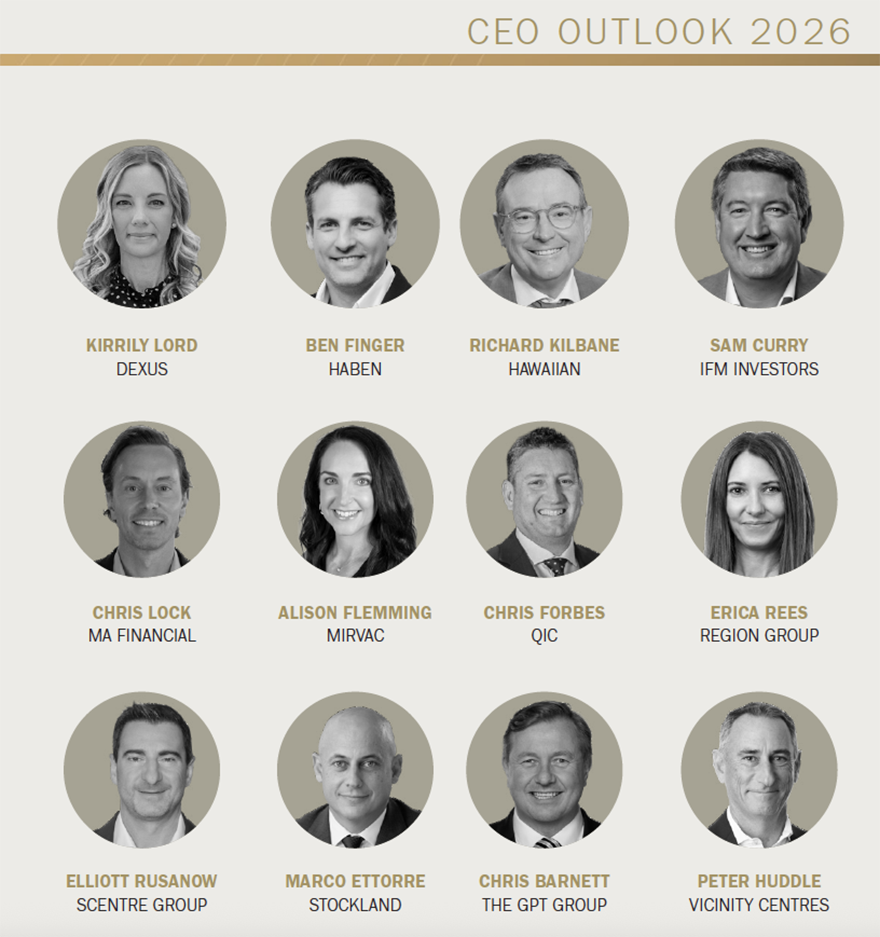
- This article by by Sam Curry, Head of Portfolio (Retail), IFM Investors, was first published in SCN magazine – Big Guns 2026 edition


Add comment