

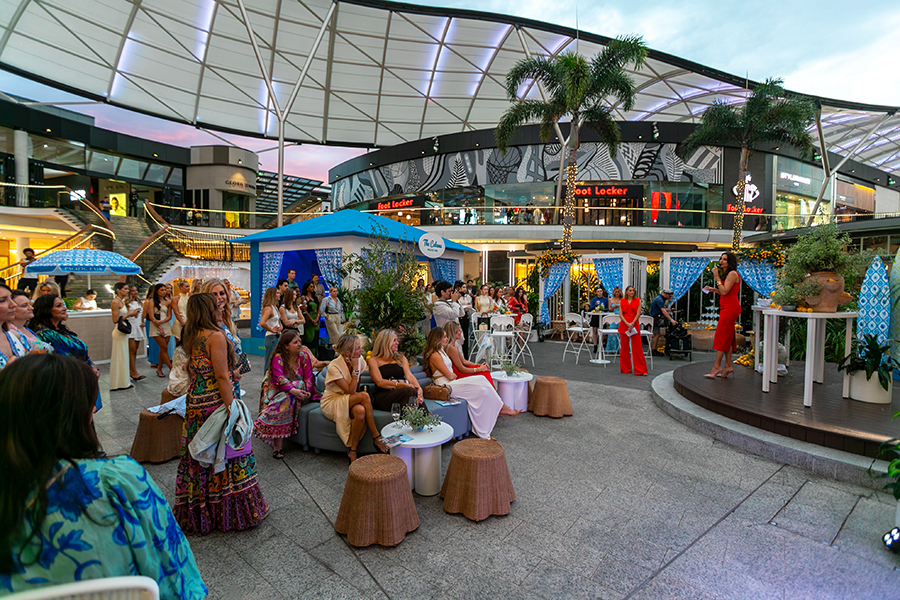


Our industry is experiencing unprecedented demand. Strong population growth, high levels of employment and real wage growth. Retailer demand to expand, coupled with a lack of new retail GLA, is creating an environment where our shopping centres are growing and thriving. This isn’t just growth; it’s a retail renaissance.
At GPT, we’re witnessing the most intense demand for retail space in years. Our shopping centres are full. Retailers are actively competing for space to expand their physical footprints, which has resulted in GPT occupancy continuing to exceed 99.8 per cent leased.
During the year, GPT published our first research piece “Retail Recharged: A look through the investment lens”, which revealed a critical shortfall of 1.1 million sqm of shopping-centre space nationally by 2030. Australia is literally running out of mall space precisely when demand has hit historic highs. To further emphasise the undersupply of retail GLA, we must look to similar economies like the US and Canada, where Australia’s 0.7sqm per capita is 50 per cent below Canada and half the US. Before, Australia already faced retail space undersupply, which the lack of new GLA development is now exacerbating.
This supply shortage comes precisely as consumer behaviour reinforces shopping centres’ central role. We predict the retail market will grow at 3.3 per cent a year over the next decade – substantially outpacing the 2.4 per cent annual growth of the previous 10 years.
As we advance through 2026, our focus will be laser-sharp: driving operational excellence across our platform, continuously transforming our shopping centres to deliver exceptional experiences for both shoppers and retailers, and translating these improvements into measurable outperformance for our investors.
A year defined by strategic execution
The year 2025 represented a defining chapter for GPT Retail – one marked by disciplined action and strategic capability deployment.
Partnering for performance took centre stage as we undertook a portfolio expansion. We added five centres totalling $5 billion to our management platform, integrating them into GPT over a five-month period. This included assuming management of our co-investment with Perron on Cockburn and Belmont as well as the management of Sunshine Plaza, Macarthur Square and Macquarie Centre – best-in-class assets strategically located in key trade areas positioned for sustainable outperformance.
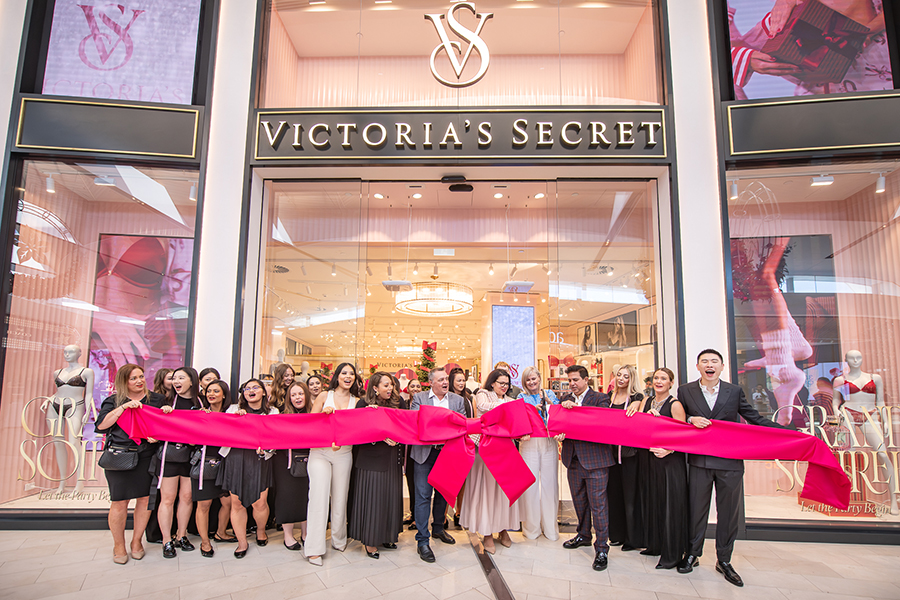
This wasn’t simply about adding assets, it was about leveraging our retail operational expertise, customer insights and portfolio scale to deliver performance across the platform. The results speak volumes: 12 consecutive quarters of strong performance across our entire portfolio. A welcomed achievement was Karrinyup Shopping Centre surpassing $1 billion in annual sales for the first time, cementing its position as one of Australia’s premier retail destinations. This is a milestone for Karrinyup, which is owned by UniSuper, and the centre is poised for continued growth and investment.
Building tomorrow’s value
One of our value-creation strategies centres around the investment in our assets: repurposing existing centres and pursuing development opportunities for our most productive assets. We have identified a $1.5 billion development pipeline focused on meeting customer and retailer needs, creating new, enhanced customer experiences that drive foot traffic and enable retailers to innovate and expand.
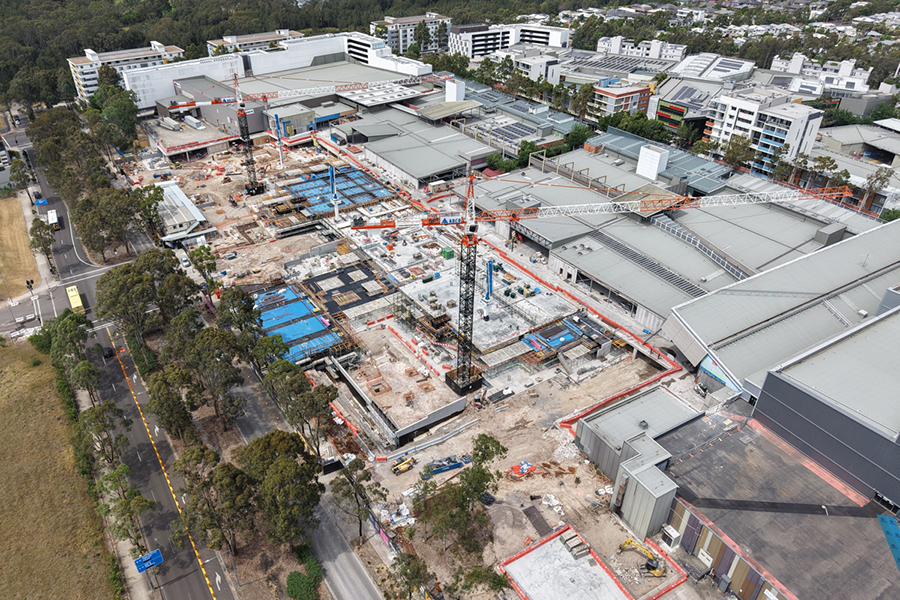
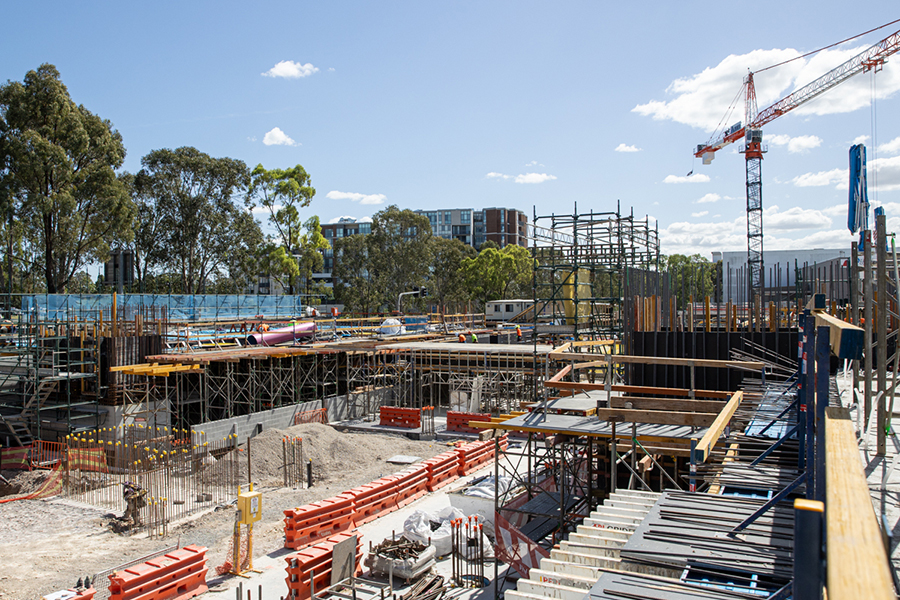
Rouse Hill Town Centre’s $200 million expansion illustrates this approach. Delivering 10,500sqm of new retail across more than 50 stores, this project extends fashion, dining and leisure offerings while creating a new Town Green for the rapidly growing community. Remarkably, the existing centre hasn’t recorded a single vacancy in three years – a testament to the quality of the trade area, the customer, and the retailer demand for the asset. We are excited to launch the finished product at the end of the year.
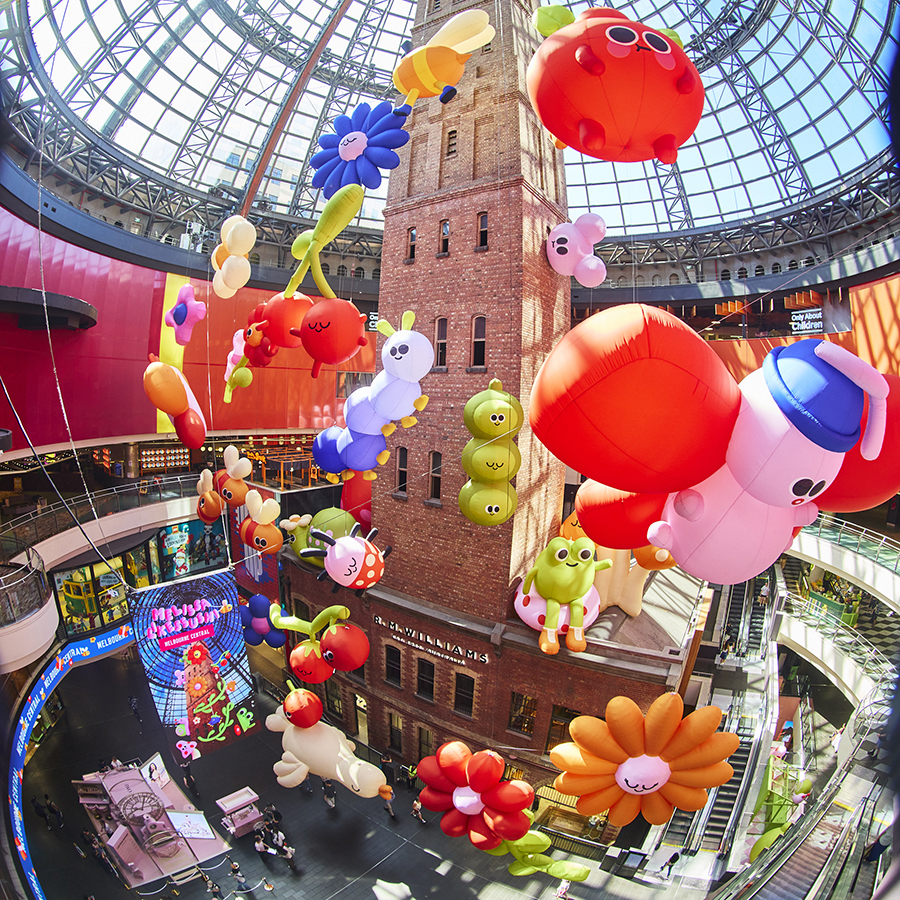
Melbourne Central’s upcoming redevelopment will add 7,800sqm of new retail and dining across two levels, creating an expanded experiential dining and entertainment precinct. While CBD retail faced headwinds in 2020-21, the dynamics have shifted materially. Premium CBD assets have emerged stronger, powered by resurgent leisure-led visitation. Melbourne Central is already Australia’s most productive retail centre and is attracting interest from major entertainment, leisure and specialty retail partners eager to capitalise on this renewed momentum.
Every redevelopment decision stems from deep customer understanding designed to meet evolving demands of customers and retailers. We invest where it drives centre relevance and performance, whether through development, expansion, targeted reinvestment or selective acquisition. Close retailer collaboration ensures we are creating spaces that meet demand while enhancing customer experiences.
The next wave: AI transforming physical retail
As we have seen time and time again, retail is always evolving. Adapt, pivot, transform. And as we look to what will impact and shape retail from 2026 and beyond, it would be remiss of me not to mention the impact AI is having on our industry.
AI is fundamentally reshaping how customers navigate and shop. What once relied on chance discovery now leverages predictive intelligence where customers can curate personalised recommendations before they arrive. While starting shopping journeys online isn’t new, what is evolving is the integration of generative AI with conversational interfaces and visual search. Customers can describe what they’re looking for in natural language or upload images, then receive personalised store recommendations and product locations before entering centres.
Retail groups that embrace AI strategically and deploy it effectively will capitalise on these shifts – capturing customers earlier in their journey, driving higher visit frequency, and converting browsing into purchasing more efficiently. Operational effectiveness and space optimisation, dynamic pricing, and tenant selection are all areas where we can leverage AI to help decision-making and go-to-market strategies.
The physical advantage remains powerful: tactile experience, immediate gratification, and human connection. But AI amplifies these strengths by removing friction – helping customers find exactly what they need faster, suggesting complementary experiences they’ll value, and creating personalised journeys that make every visit feel curated rather than generic.
When we combine AI-driven customer intelligence with quality experiential offerings, we create powerful commercial outcomes that drive sustainable retail productivity.
The outlook
The convergence of these factors creates a compelling outlook for Australian shopping centres. Retail remains a core strength for GPT – underpinned by strong retailer performance, operational discipline, strategic partnerships, and continuous evolution to meet customer expectations. We can’t deliver any of this without a strong culture, one built on having an owner’s mindset and high-performing teams, and always being future focused.
- This article by Chris Barnett, Head of Retail, The GPT Group was first published in SCN magazine – Big Guns 2026 edition


Add comment