



Shopping centre trading hours are an ongoing discussion in our industry. It wasn’t long ago that centres opened at 9am and closed at 6pm. That’s history, of course, and now we have extended hours way into the evening. But what about the morning?
For as long as I can remember, the night-time economy has been on the lips and minds of many (if not all) retail property owners, and rightly so. Well over a decade ago, we saw the meteoric rise of restaurants, casual dining and entertainment precincts in shopping centres, injecting our developments with a palpable, newfound energy, excitement and activity. This was a special time for our industry and one that I suspect we all reflect on fondly. We started stretching the lifecycle of our centres and giving our customers more reasons to visit and spend time with us. It’s almost impossible to imagine our shopping centre culture without these experiences now – becoming ingrained in the fabric of how we conceive and construct spaces for our communities. And while the development of our evening economy remains important, I can’t help but feel like this is only one part of a broader puzzle – and that, perhaps, there presents an opportunity to better consider the other end of the spectrum and somewhat forgotten economy – the morning economy.
Now, I’ll openly admit and preface this with the fact that I’m an avid early bird. I live for the mornings. There’s just something magical about them (no bias, right!). With our cities now well and truly enjoying having their mojo back, we’ve seen consistent growth in experiences built around the morning economy. More and more cafes, restaurants and retailers are opening earlier and, much like our assets, these places are redefining the role of their spaces in their own way; cafes have become our favourite morning meeting room, retailers (particularly at a daily needs level) are opening their doors earlier to cater to changing consumer behaviour, brands are introducing food and beverage as a new offer in their stores (often opening separately and outside of typical trading hours), and kiosks are being repositioned as miniature hives of activity with an elevated product offering. And while we continue to make great strides, there’s always room for improvement.
This opportunity is playing out across all asset types, be it metropolitan (CBD), super or sub-regional – each of which are recognising the unique role they can play in the lives and daily routines of their customers. Herein lies a tremendous opportunity for retailers and property owners to tap into and cater to these routines. Beyond the brief thought starters above, there is so much we can build on here.
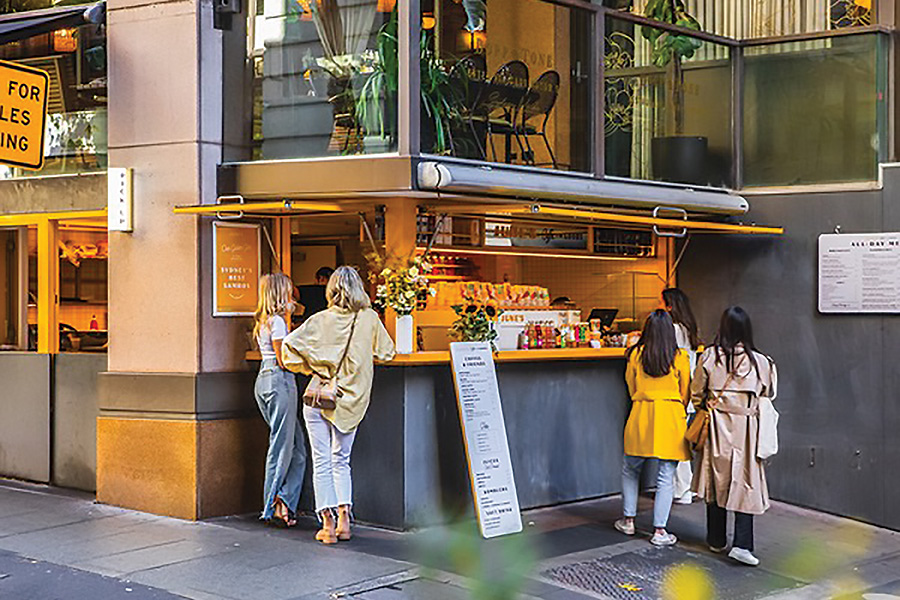
At a foundational and architectural level, continuing to turn parts of our buildings inside-out remains an important first step, opening long-standing, fortress-like perimeters to the surrounding context. These ‘newly-activated’ ground planes present a great opportunity to introduce uses that cater to such consumer needs and capitalise on both commuter traffic and local residents that might enjoy flexible working arrangements.
Bustling cafes, specialised hospitality concepts, boutique fitness studios, independent grocers, florists and newsagencies represent just a handful of the experiences arising as a result of this rethink. Unsurprisingly, we’re seeing these interventions play out most prevalently across the (super and sub) regional asset landscape and, interestingly, irrespective of scale and stature of the centre.
Now, you might argue that this logic doesn’t apply to our CBDs, which obviously present an unfair advantage, and you’d be right – well, somewhat. Notwithstanding the infamous implications the unspoken “C-word” (COVID) had on our beloved cities not too long ago, CBD assets certainly have their own challenges.
Increasing scarcity of space (particularly at ground level), the often eye-watering price tag attached to it, and the prioritisation of flagship retail (and, rightly so!), retail developers are needing to be more creative than ever with both space creation and experience. Here, the rise of the morning economy has proved a bright spark in helping unlock these opportunities and improve the broader performance of cities.
More specifically, pocket-sized coffee bars are popping up all around us – squeezed into the crevasses of structures, small openings in building facades and underutilised spaces. The strategic sprinkling of these moments are perfectly poised to capitalise on the trails of daily commuter traffic while becoming destinations in their own right. The product offering is often exceptional too – complete with great branding, design and customer experience. I don’t know about you, but these are the places I’m most drawn to and will often seek out – also evidenced by the crowds that congregate around them each morning.
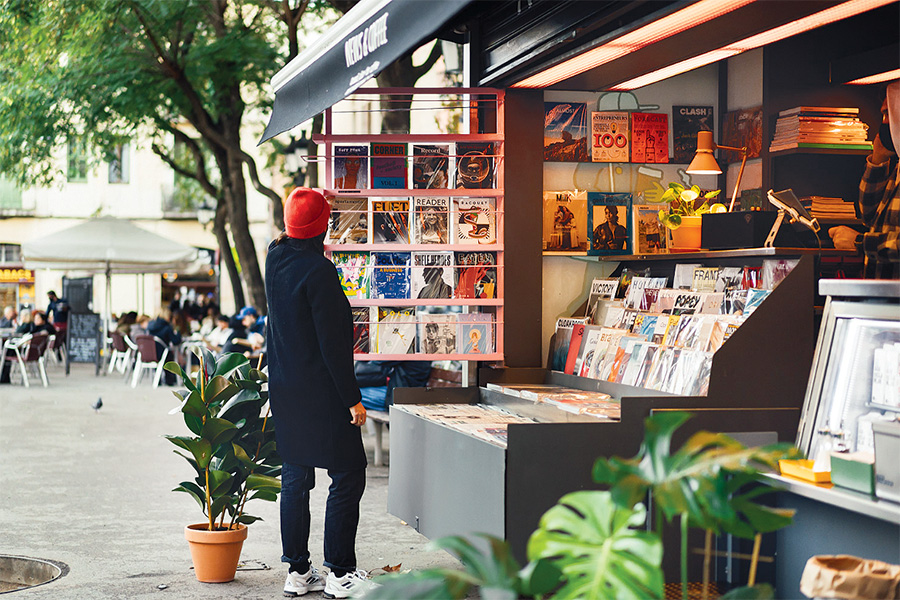
Similarly, and as briefly noted earlier, kiosks are having a moment – particularly as it pertains to the role they play in our morning rituals. The humble newsstand is being reimagined around the world, conceived as a daily needs destination and meeting place for the community. Architecturally, these buildings are becoming more interesting, engaging and exciting, supported by a stretched product offering to include great coffee, fresh pastries and breads, flowers, a small selection of groceries, literature and stationery. In some cases (particularly throughout parts of Spain and Italy), these also includes beautifully tiled tables and chairs spill out from the building, surrounded by potted plants and red rope barriers, solar infrastructure, and retail media. The entire experience feels effortlessly connected to its community – a bit like a magnet of activity, which evolves throughout the day – from early morning cafe and meeting place to wine bar at night. It begs the question if we could be doing more with some of the heavily trafficked public spaces in our cities, particularly those that sleeve our CBD assets, delivering high quality social infrastructure to drive activity and culture.
Lastly, and switching gears to ‘in-centre’ experiences, we have an opportunity to better consider the curation of uses around the early morning consumer. Let’s take fitness, for example.
Gyms have been gracing retail developments across our cities for years, and to great effect. And while this has been incredibly positive, one might argue we could be doing more to keep customers with us for longer and extend their journey in-centre. More specifically, are we building great hospitality or cafes in close proximity that cater to the mass exodus of fitness enthusiasts at 7am or that open earlier than the centre? Are there beautifully-designed common areas one might choose to park themselves at and start their day with a few emails before heading home or into the office? Could we consider supplementary retail in and around these experiences that cater to this customer in a more overt manner? It’s interesting to consider how these simple interventions might inform a greater rethink of the precincts these experiences call home. Moreover, and from a brand/retailer perspective, how might we own these experiences ourselves, building greater brand equity and alleviating the risk to the developer at the same time? The opportunities are endless and exciting.
Great shopping centres effortlessly tap into the daily rhythms and patterns of customers, creating places that become an extension of their lives and feel relevant, purposeful and inspiring. How we start our days plays a critical role here and, ironically, has an ability to shape the rest of the day, often carrying that momentum through to the evening.
The morning economy might not come with the same glamour or commercial muscle as its night-time sibling, but it holds real, under-utilised value in shaping the future of our retail assets. And while much of this might seem obvious, it serves as a pertinent reminder for us to not neglect the magic of mornings and the role this plays in building a total asset proposition to our customers.
See you in the morning.
This article by Reid Nakou, Chief Experience Officer at The General Store features in the latest issue of SCN magazine.





Add comment