

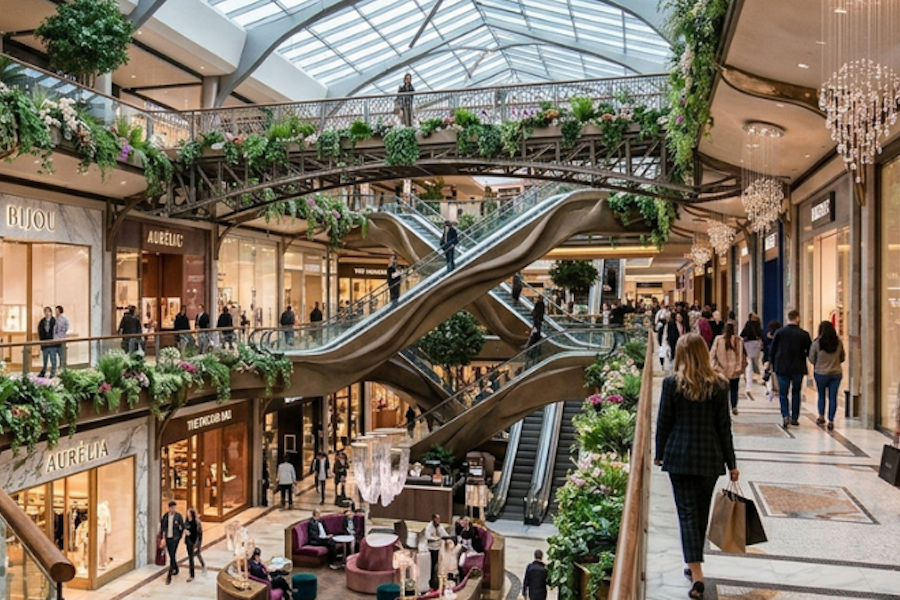

For shopping centre landlords, attracting the right retailers is only part of the leasing equation. Increasingly, the challenge is understanding the people who live, work and shop nearby, and shaping a retail offer that reflects how their needs are changing.
As shopping centres compete to remain relevant, a more localised approach to leasing could help owners create destinations that feel distinctive, meet community needs and give customers a reason to return.
Leasing starts with the catchment
A successful retail mix cannot necessarily be replicated from one shopping centre to another. Local demographics, customer preferences and competing retail destinations all influence what shoppers want from their nearest centre.
Understanding these differences can help landlords identify gaps in their existing offer, introduce retailers that reflect local demand and create a stronger point of difference in an increasingly competitive market.
Catchment research should be an ongoing part of asset management, rather than something undertaken only when a centre is first developed or undergoing a major repositioning.
Understanding who lives nearby is only the starting point. Landlords also need to consider how people shop, which services they rely on and what might encourage them to choose one centre over another.
Rethinking the retail mix
Local relevance also raises questions about how shopping centres organise their retail spaces.
Traditionally, retailers have often been grouped by product category, such as fashion, homewares or beauty. However, organising precincts around customer interests, lifestyles and needs offers another way to create a more connected shopping experience.
Bringing complementary brands together can help create the feel of a high street within a larger retail environment. Rather than simply moving between similar stores, customers can discover different businesses that appeal to them for related reasons.
Food, entertainment, services and specialty retailers can each contribute to a centre’s appeal, provided they reflect the needs and expectations of its intended audience. This can also create opportunities for emerging brands and less conventional retail concepts to contribute to a centre’s identity.
Flexible leasing arrangements can help landlords explore these opportunities. Pop-up retail, for example, offers a way to test new concepts and gauge customer interest before committing to a permanent tenant. This allows centres to experiment with their offer while responding to changing preferences.
Stronger partnerships, better outcomes
A relevant retail mix also depends on the relationship between landlords and retailers. Both have a stake in creating a positive customer experience, yet achieving this requires clear communication and aligned expectations.
Open conversations about customer needs, business performance and what is working can help both sides identify opportunities for improvement. Sharing relevant insights can also support better decisions about the retail offer, provided both parties have confidence in how that information is used.
Rather than viewing leasing as a transaction, landlords and retailers can benefit from treating it as an ongoing partnership, with a shared interest in creating a destination customers want to visit.
Relevance requires ongoing attention
A retail offer that works today may not meet customer expectations indefinitely. Demographic shifts, new competitors and changing shopping habits can gradually affect a centre’s relevance.
Landlords need to regularly assess whether their tenant mix continues to serve the local community and identify where new businesses, services or experiences could add value.
This does not mean every centre needs a completely different retail mix. The priority is understanding what works for each location and where a more tailored approach could make a meaningful difference.
Ultimately, moving beyond a one-size-fits-all approach to leasing means looking at the shopping centre as more than a collection of stores. By understanding their catchments, working collaboratively with retailers and remaining open to new concepts, landlords can create destinations with a clearer identity and stronger relevance to the communities they serve.
Tailoring retail to local communities is just one of the topics shaping the future of physical retail. At the Malls and Stores of the Future Summit 2027, hear from industry leaders and experts on how shopping centres can evolve their retail mix, create more distinctive destinations and stay relevant to changing customer needs.

Add comment