

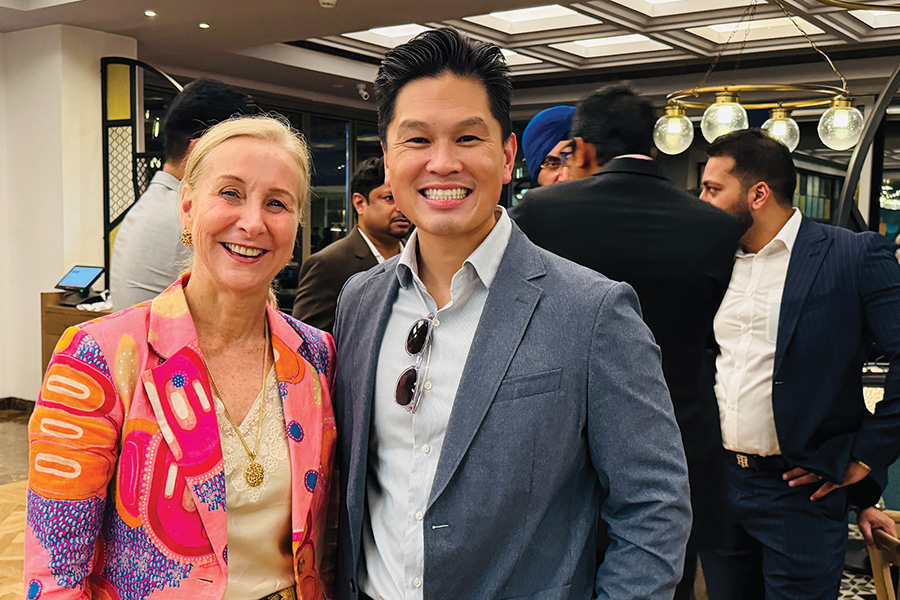

In this candid, on-the-ground reflection, former Chadstone leasing executive turned proptech founder David-James Nguyen takes us behind the tenancy schedules and onto the global stage. Part travel diary, part industry call to action, this piece explores what happens when an idea born in Melbourne takes flight — and why reinventing the food court may be retail’s most overlooked opportunity.
Shopping centres look different around the world… But food ordering is broken everywhere. Long queues. Missed orders. Staff yelling into the void. Melbourne or Dubai — it’s the same food court chaos.
Eighteen months ago, I was deep in leasing at Chadstone — tenancy schedules, rent deals, the usual. Now I’m flying between time zones, demoing tech in five countries, and running on coffee and airport Wi-Fi.
Somewhere between the lease plans and the terminal gates, I launched Magic App — a mobile ordering and loyalty platform for shopping precincts. But this isn’t a story about tech. It’s about what happened when I took the idea on the road.
Playing it safe at home
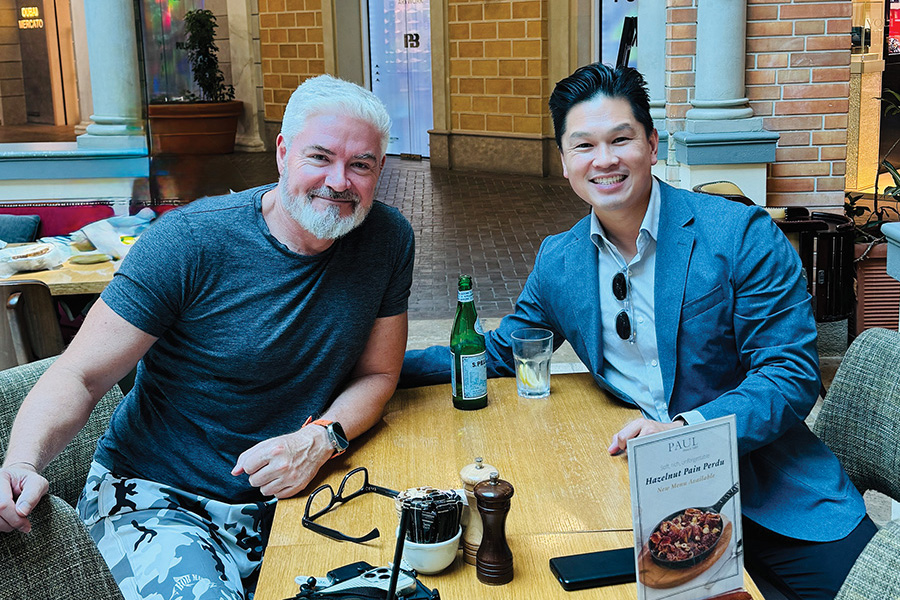
During the past year, I’ve pitched Magic App to Australia’s biggest landlords and REITs. Smart people. Sharp operators. Solid retail thinkers. But let’s be real — we’re a careful bunch.
Unless you’re Arabella Richards at Dexus or Charbel Hazzouri or Anthony El-Hazouri at Revelop, most of the responses sounded like: “Looks great. Come back when it’s already a hit.”
And to be fair, it’s not that they didn’t believe in the idea. It’s just that no one wanted to be first.
So I posted on LinkedIn and everything changed. I started posting daily — sharing the wins, the learnings, and the food court chaos I’ve been trying to fix.
Then something unexpected happened: Aussie expats started calling. From Kuala Lumpur, Dubai, London, Paris, Doha, Abu Dhabi and Bangkok.
Same challenges. Same industry. But a completely different energy.
They weren’t asking, “Is this risky?” They were asking, “When can we try it?” Different mindset.
A big thank you to the legends abroad
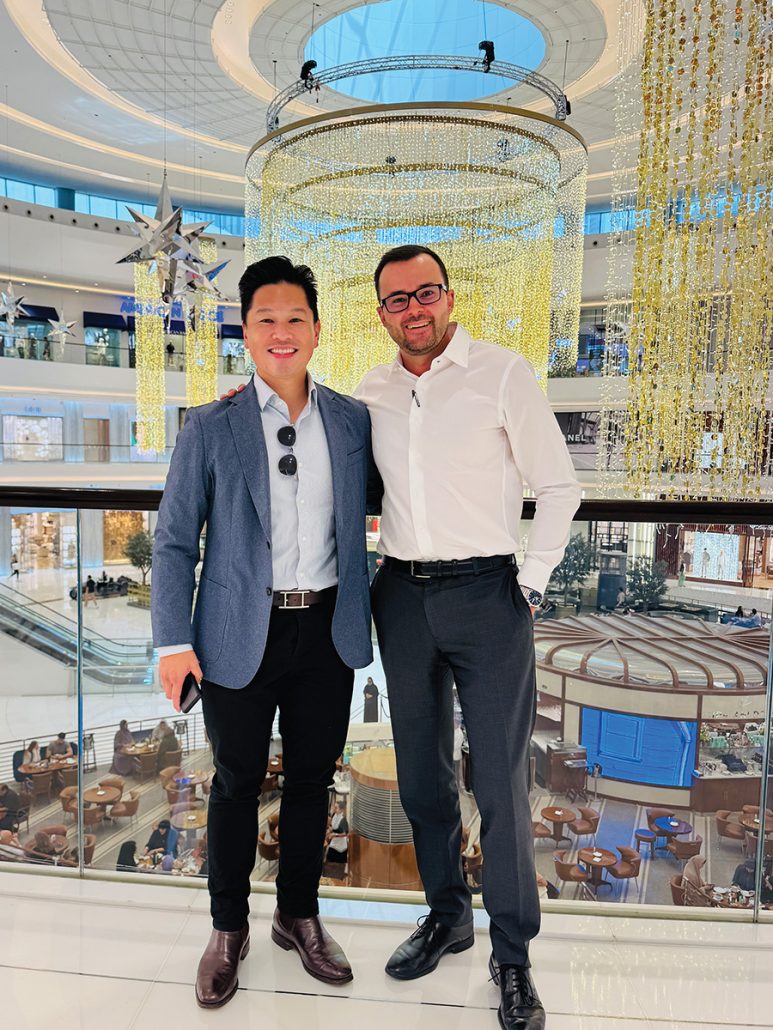
This story wouldn’t exist without a group of very loud, very capable Australians who happen to be doing world-class work outside Australia. These are the people who took my calls, opened the doors, and made sure the right people heard the pitch — even when I was running on zero sleep and a dodgy airport connection. Special thanks to:
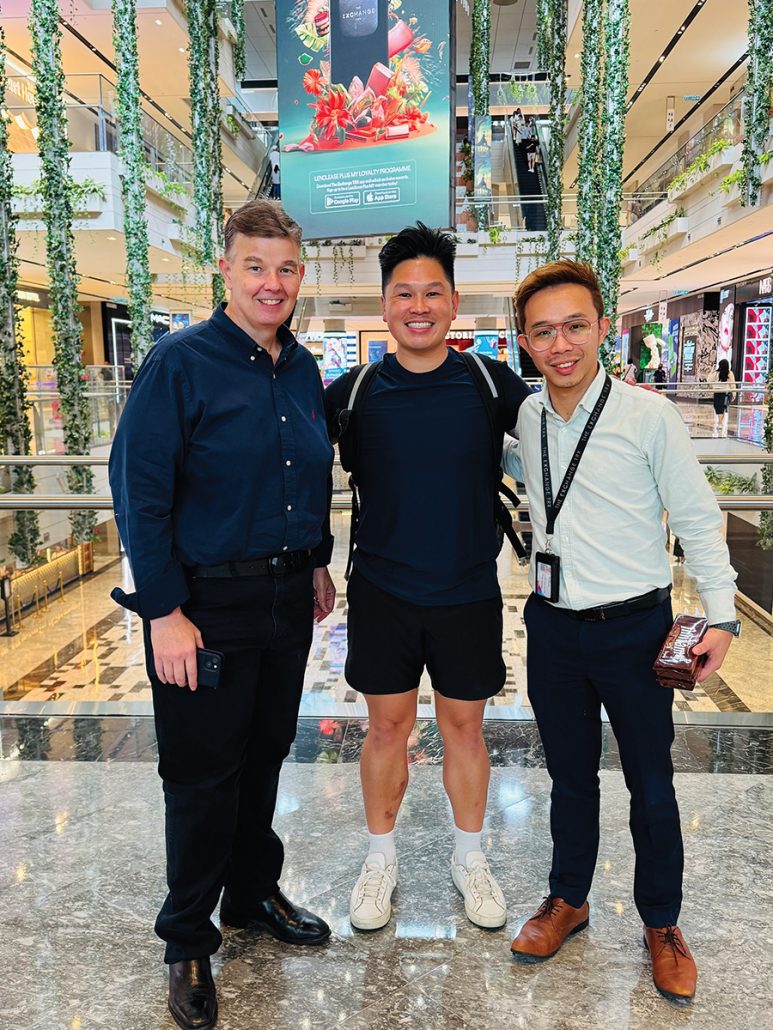
- Trevor Hill: General Manager/Head Honcho at The Exchange TRX Kuala Lumpur. Ex-Lendlease. Trail blazer first in Doha, Qatar now Malaysia.
- Simon Daniels: Leasing Manager at Dubai Mall. Ex-QIC. Retail genius and still plays footy in the desert.
- Mary Del Dosso: Director/Asset Manager at Burjuman Mall. Ex-Dexus and Westfield. Calm, collected, sees the curve before it bends.
- Linda Hurst: GM at The Galleria, Abu Dhabi. My loudest and earliest supporter. Instant “yes” energy of one of the world’s most luxurious malls.
- Simon Van De Velde: Mr Worldwide – knows everyone and everything. A walking, talking ChatGPT.
- Brenton New: Asset Manager at Unibail-Rodamco-Westfield. Ex-Vicinity. Used to sit two desks behind me — now runs the show.
- Tamara Lamb: CBRE Associate running Landsec & British Land schemes like a pro.
- Shun Wong: Regional General Manager, Central Group Bangkok and Malaysia. Fellow JLL grad. Still as sharp as ever.
- Michael Hariz: CCO, Asset World Corp Bangkok. From casual leasing at Westfield to leading the charge in Asia.
- Alex Berentsen: Head of Leasing at Majid Al Futtaim and ex-Westfield. You reminded me that some of the boldest retail moves are being made by Australians — just not in Australia (yet).

Retail abroad: what surprised me most
If there’s one thing I learned, it’s this: retail is culture in action. And globally? It’s different. Beautifully, hilariously different.
Kuala Lumpur: If your food court closes before 10pm or lacks aircon intensity of a jet engine — you’re losing. Bonus points for waterfalls.
Dubai: Peak trade starts at 8pm. I watched kids eat churros at midnight while mum bought gold.
Abu Dhabi: The malls are so pristine you could do open-heart surgery in the food court.
London: A city of villages. High Street rules. Every street has a specific identity. Regent Street (luxury), Chiltern Street (charming).
Paris: Luxury first, order chaos second. Baguette queues and department stores are still sacred. Galeries Lafayette (OMG).
Bangkok: Family first, footfall all day, and innovative food ordering… they actually purchased Grab, their version of Uber Eats. If you can’t beat them, join them.
Even the basics shift: trading hours, religious holidays, climate, family structure, dining rituals and loyalty expectations. For example, in one place, cashback is king. In another, no app is downloaded unless it comes with free parking and a coffee.
But one problem is universal
No matter how advanced the centre, how glossy the fitout, or how deep the pockets — food ordering is still a mess.
Queues, delays = lost sales, missed income and data. It’s everywhere. And it’s fixable. In an instant. That’s the opportunity.
Final thought
This wasn’t the journey I planned when I left leasing. But it’s one I’m incredibly grateful for. Because whether you’re running a centre in Melbourne or managing one in the Middle East — malls are evolving.
And food courts? They’re overdue for reinvention. We have the assets. We have the talent. Now we just need the appetite.
David-James Nguyen is one of the founders of Magic App, a mobile ordering and loyalty platform for food precincts like shopping centres, airports and stadiums. He previously worked in leasing at Chadstone and now partners with landlords around the world to unlock the full value of F&B.
This article is published in the latest edition of SCN magazine – premium members can log in to view the digital magazine here. 



Add comment