

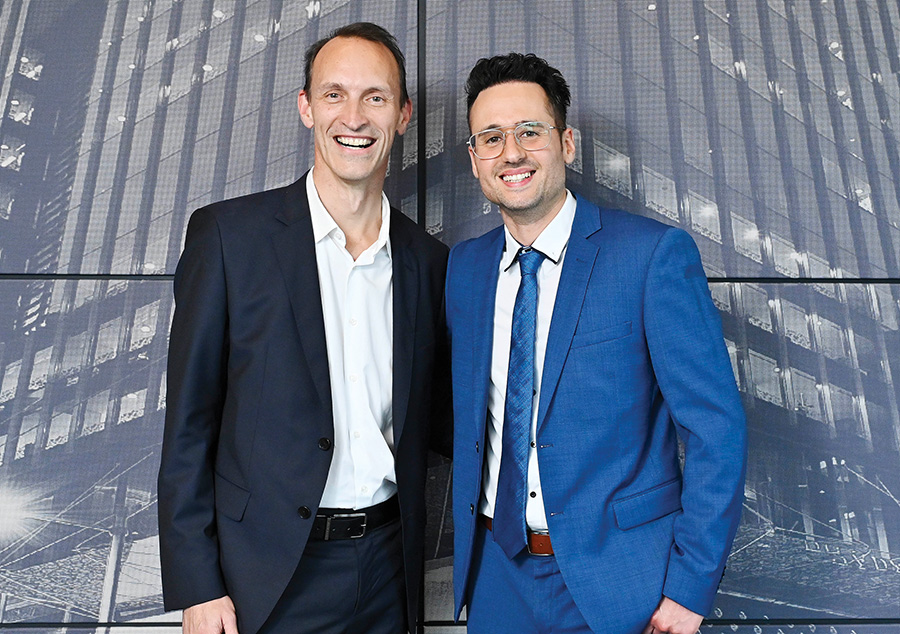

Nathan Maroon, Digital Marketing Manager for QIC Real Estate, was awarded the 2024 Frank Lowy Fellowship Highly Commended Award. Nathan was awarded this accolade, because of his pivotal role in the development of QIC Real Estate’s Marketing Traffic & Sales Attribution Model. This innovative tool leverages Google Store Visits data to accurately track verified shopping centre visits and potential sales generated from marketing campaigns. The model is a ground-breaking advancement in the way marketing efforts are measured and attributed.
In today’s data-driven world, it is crucial for shopping centre marketers to have a clear understanding of the traffic and sales they are driving. Unlike e-commerce platforms, where customer behaviour is comparatively easier to track, shopping centres face unique challenges. The customer relationship is shared with retailers and brand partners, and centres are generally not part of the purchase transaction. This makes it difficult to measure the direct impact of marketing efforts.
Digital marketing attribution models were initially developed to serve online advertisers who wanted to track customer behaviour and accurately attribute purchase influence across various touchpoints in the shopping journey. However, applying these models to the shopping centre context required adaptation.
Developing the Marketing Traffic & Sales Attribution Model
QIC shopping centres use advertising and digital marketing channels to drive centre visitation and sales, focusing on key dates on the retail calendar. Traditionally, the success of these marketing efforts has been measured using metrics such as traffic increases, key category sales uplifts, and participation in events and activations.
In developing the Marketing Traffic & Sales Attribution Model, the goal was to take the best aspects of digital marketing attribution models and adapt them to the world of shopping centre marketing. The aim was to understand specifically what outcomes marketing efforts generate, with a particular emphasis on traffic and sales, which are key to centre performance.

The development process and benefits of the model
The development of the model was made possible through a productive relationship with Google and the strength of QIC’s internal research and insights team. By using anonymised location data, the Google Store Visit metric connects customer shopping centre visits with engagements customers have made with the shopping centre’s digital marketing campaigns. When a customer is either exposed to or interacts with digital campaigns while logged into their Google account, Google records the store visit when the customer enters one of QIC’s shopping centres.
By combining Google Store Visits data with the research and insights team’s customer spending patterns data, QIC was able to determine the potential sales and traffic generated by marketing activity. This comprehensive approach provided valuable insights into the effectiveness of marketing efforts.
Results and impact of the model
In the last financial year, the model was used across 11 of QIC’s major shopping centres to measure the effectiveness of always-on search engine marketing (SEM) strategy and major campaigns, including Father’s Day, Spring/Summer and Autumn/Winter Fashion, Christmas, Easter and Mother’s Day. During this period, QIC recorded an impressive ROI of more than $100:$1, far exceeding expectations and demonstrating the significant impact of marketing activities. Additionally, the model revealed differences in the effectiveness of various campaigns and channels tracked throughout the year. This outcome-based insight allowed QIC to improve forward activity and optimise marketing strategies.
A year on and the use of the model has been extended to capture all online advertising activity, including localised campaigns. The ROI has become a key performance indicator (KPI) for the marketing team, providing evidence of how marketing efforts drive investment performance across QIC’s assets.

The future of shopping centre marketing
The Australian shopping centre industry is set to undergo significant changes with the integration of artificial intelligence (AI) and automation. Just as data transformed our understanding of customers, AI is expected to transform customer interactions with shopping centres by helping to understand and anticipate their preferences and shopping habits, and revolutionising communication methods. This level of personalisation will eliminate guesswork by presenting content, loyalty programs, and experiences that are highly targeted to individual shopper needs, with AI being the catalyst for this shift.
To thrive in this new era, the industry must embrace AI rather than resist it. Marketers need to see AI as an opportunity or risk losing the ability to engage with customers meaningfully and personally. Those who were slow to adopt social media fell behind, and the same could happen with AI.
AI tools like ChatGPT, GoogleAI, and image generators will make marketers’ jobs easier and more efficient. They will enable more effective resource allocation and reduce dependence on external communication and creative agencies. This additional capital can be reinvested in media, loyalty programs, and customer research to further enhance the shopping experience and increase visitation.
Ultimately, AI allows marketers to make smarter decisions and maximise ROI. The industry must adapt, invest and continuously evolve alongside this game-changing technology, with some retailers already investing in AI-driven solutions. Those who integrate AI well will be the first to reap the benefits.

This article by Nathan Maroon, Digital Marketing Manager for QIC Real Estate, is featured in the latest issue of SCN magazine.




Add comment