


The global luxury retail market is booming — valued at USD 386 billion in 2024 and projected to grow at a compound annual rate of 6.8% through to 2030 (Bain & Company). This momentum reflects a dynamic evolution, as luxury brands adapt to shifting consumer expectations and global economic shifts.
While craftsmanship and exclusivity remain central to luxury, the category now embraces immersive, experiential retail. From Alaïa’s bookstore and café above its London flagship, to Louis Vuitton’s “LV Dream” exhibition and Dior’s “Dior Addict” beauty boutiques, brands are turning their retail footprints into sensory playgrounds. This transformation has driven remarkable sector growth — expanding by more than 9% per annum since 2020.
Despite economic headwinds and changing consumer behaviour, luxury retail continues to outperform. Much of this resilience is driven by rising affluence in emerging markets, particularly Asia Pacific, which accounted for nearly 40% of global luxury revenue in 2024. Major luxury conglomerates have also made strategic investments to consolidate their market positions.
Competition remains fierce in the global luxury landscape, particularly as premium retail space becomes increasingly scarce. The limited availability of flagship-worthy sites is fuelling rental growth and intense demand in core precincts, where visibility and brand prestige serve as de facto marketing.
In response, many luxury brands are acquiring their own — or their competitors’ — retail premises outright, bypassing rising rents and locking in long-term control. Over the past 24 months alone, luxury heavyweights including Prada, Kering, LVMH, Richemont, and Hermès have reportedly spent over USD 13 billion on real estate acquisitions.
In Sydney, the luxury market mirrors this trend. Prime CBD luxury precincts boast near-zero vacancy, with JLL Research reporting no vacancies as of June 2025. The ownership profile reflects the sector’s exclusivity: brands such as Hermès, Chanel and Dior own their Castlereagh Street flagships, while the balance of properties remain in the hands of long-term private owners.
Sydney’s luxury performance is underpinned by two core fundamentals:
- Strong foot traffic: Sydney CBD visitation grew by 10% between 2023 and 2024, continuing a robust post-pandemic recovery.
- Rebounding tourism: National short-term international arrivals rose by 15% over the same period, with Sydney posting a 13% increase. Chinese visitors led this surge, growing by 66% year-on-year. In 2024, they accounted for 25% of total international tourism spend in Australia, with significantly higher per-trip expenditure than other nationalities.
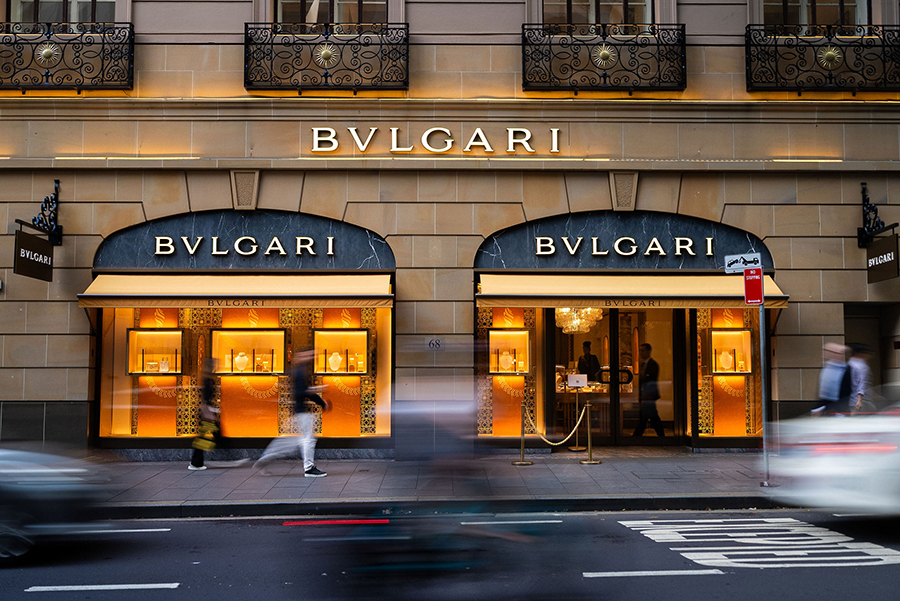
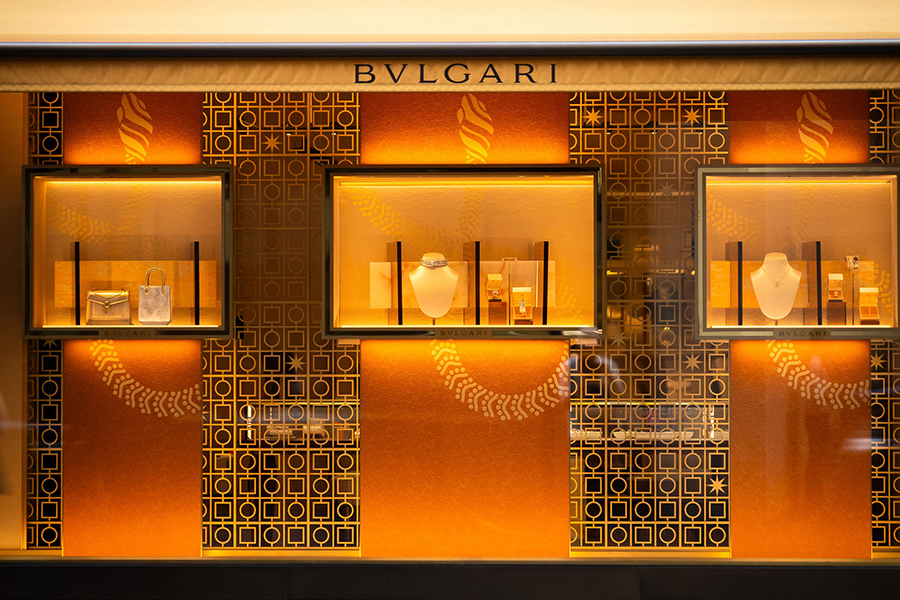
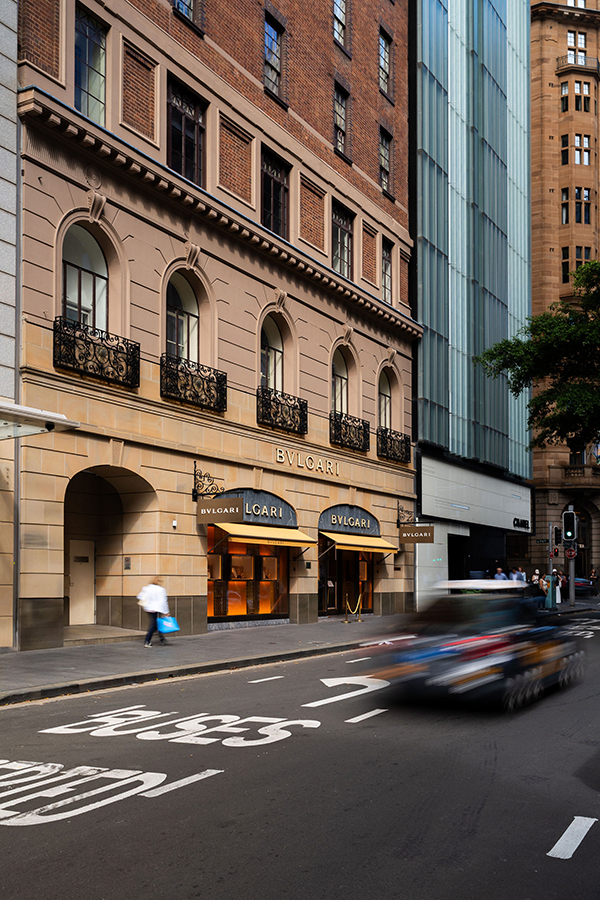
Amid this backdrop, global real estate investment manager Deka Immobilien is bringing the prestigious Bvlgari flagship at 64–68 Castlereagh Street, Sydney to market. This landmark asset presents a rare opportunity to secure a luxury flagship in one of the world’s most tightly held retail precincts. Just seven luxury retail assets have traded in Sydney over the past decade, reflecting the high barriers to entry and scarcity of stock.
Deka Immobilien has appointed JLL’s Nick Willis and Sam Hatcher, alongside Cushman & Wakefield’s Mark Hansen and Bridhe Woods, to manage the international expressions of interest campaign.
“The opportunity to acquire in this precinct is rare. Most of these assets are either held intergenerationally by families, or, owner-occupied, as we saw with Hermes acquiring their flagship on Castlereagh Street. Globally this trend is consistent, with Ralph Lauren recently announcing their $132 million acquisition of their store in SoHo, Manhattan, and Kering’s $963 million acquisition in NY City on Fifth avenue,” said Nick Willis, Senior Director, Retail Investments – ANZ, JLL.
“The Sydney King Street Luxury precinct is ground zero for luxury retail in Australia. This has been further strengthened with the opening of the 25 Martin Place retail precinct including new flagship retailers Valentino, Missoni and Brunello Cucinelli, integrated with the new metro station that has drastically increased foot traffic in the location. The Bvlgari flagship is a unique proposition for investors and owner occupiers with a flexible lease tail expiring in 2028 and the ability for a market review,” he said.
Sam Hatcher, Head of Retail Investments – JLL, said: “The sector globally is underpinned by a robust income growth story as the rents have continued to escalate, correlating with the tightly held nature of these locations. In Sydney, we have seen examples of luxury rents growing by 40% over the prior five years. The key is to acquire assets that provide significant mark-to-market rental reversion opportunities. Unique to this asset class is the sheer productivity of these stores, in some instances sales per retailer are well in excess of $100 million in Moving Annual Turnover, coupled with ultra-low gross occupancy costs ratios below 10% supporting unparalleled prospects for rental reversion potential.”
Current rental rates for new deals in the precinct are rumoured to range between $8,000/m2 and $15,000/m2, depending on tenant size and performance. Cushman & Wakefield’s latest research ranked Sydney’s Pitt Street Mall 8th among the world’s most expensive retail destinations.
Mark Hansen, International Director, Cushman & Wakefield, said: “The strength of the Bvlgari covenant, a subsidiary of global powerhouse LVMH, combined with the lease structure and fixed annual rent increases, provides unparalleled income security and growth. Globally capital continues to look to reweight towards this sector in the region however with a dearth of opportunities in core global markets like Sydney they rarely get the opportunity to deploy. We are expecting to generate significant interest from both domestic and international investors seeking a trophy asset with strong growth potential in a resilient market.”
International Expressions of Interest for the Bvlgari Sydney flagship will commence in June 2025.

Add comment