

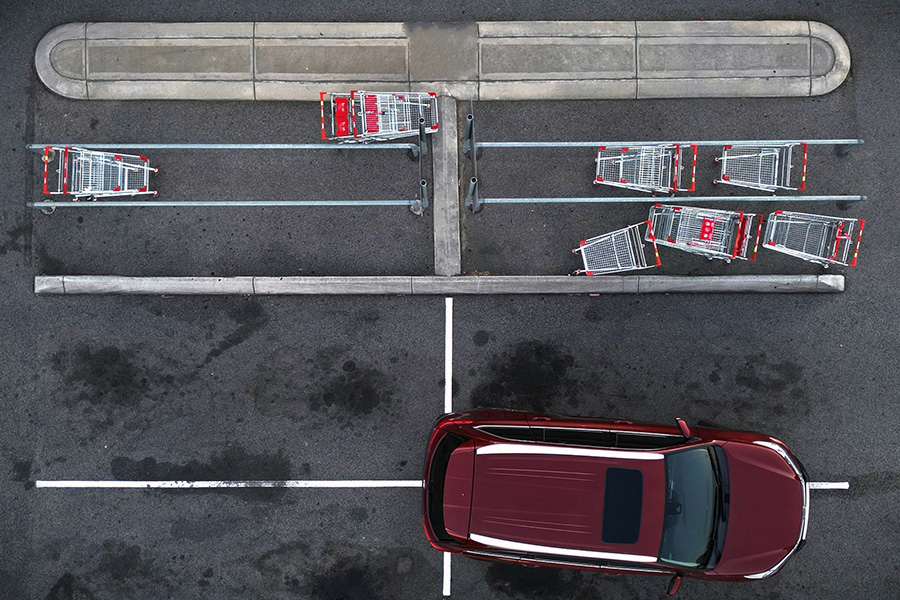

In an era when shoppers are lured online by convenience and deals, and the rising cost of living is making them more prudent with their discretionary income, consumers are changing the way they view and interact with shopping centres.
In the latest benchmark report from Prescient, Winning the Functional Shopping Trip, the proportion of shoppers saying a centre was their preferred place for shopping fell from 89.8 per cent to 74.3 per cent. Consumers visiting centres once or more per week fell from 45.5 per cent to 30.1 per cent. Solo shopping rose from 27.1 per cent to 40.0 per cent, and the proportion of shoppers spending over $100 per visit fell from 42.9 per cent to 33.9 per cent.

Those might seem like significant behavioural changes, explains David Grant, research director at Prescient, but they are merely a snapshot of an emerging shift in consumer behaviour at a challenging time. Careful spending is driving an adjustment in consumption.
“Not only are households spending more carefully, but the nature of the trip itself appears to be changing,” he explains.
“Shoppers seem less open to browsing, lingering or turning the visit into an outing. The retail trip is becoming more edited, more selective and more functional. Centres still matter deeply to shoppers,” he explains. “But today’s shopper is looking for a convenient, comfortable, smooth shopping experience, to be able to get in, get what they need, and get out again without unnecessary effort.”
That’s where centres can not only gain an edge over rivals but also become trusted partners in meeting consumers’ needs. This may mean revisiting elements such as how the centre communicates with visitors through signage, streamlining car park access and navigation processes, and reviewing the convenience of non-shopping facilities.
Prescient has tracked retail shopper satisfaction and experience across centres in Australia, New Zealand and the UK since 2019, collecting nearly 100,000 shopper responses, 24,000 of which were collected across 240 Australian centres. This year, to follow on from the 2025 benchmark report, Prescient will publish three updates in Shopping Centre News exploring shifts in shopper sentiment, behaviour and expectations
In the 2025 research, consumers overwhelmingly reported frustration with navigation and locating stores and facilities.
“One shopper described a centre as ‘like a maze’ and asked for more maps because they found it difficult to remember where particular stores were. Another called for ‘better signage for toilets’, while a third asked centres to “help customers quickly find target stores”.
“These are not extravagant requests. They reflect a shopper who still values the centre but increasingly expects it to respect their time,” Grant explains.
The centres that best meet consumer expectations are most likely the ones that can remove friction, he continues.
“That means treating parking design, arrival clarity, cleanliness, toilets, signage, convenience-oriented digital tools and the internal logic of the shopper journey as strategic assets, rather than background operational matters. Once those fundamentals feel dependable, food, seating, events and atmosphere can do the work they are meant to do: Making the visit feel worth the effort.”
The report identifies that to those shoppers, now more mission-led, practical parts of the journey start to matter more over the past year. On a positive note, satisfaction with parking increased from 49.3 per cent to 53.5 per cent. However, at the same time, satisfaction with dwell-led and leisure-led touchpoints softened. Only 83 per cent of visitors were satisfied with seating areas, down by around 10 points in a year, while satisfaction with entertainment and leisure fell from 18.8 per cent to 11.2 per cent. Play areas suffered a huge fall – from 18.7 per cent to 5.5 per cent – while satisfaction with parents’ rooms fell from 13.8 per cent to 4.3 per cent.
Grant says those figures should not be interpreted as suggesting experiential spaces have stopped mattering; it means more shoppers are shifting to engaging first and foremost with the parts of the centre that help them move efficiently through the visit.
He identifies a consistent pattern: The friction points shoppers notice most readily are often the ones that sit between intention and completion: Parking, arrival, signage, visibility, wayfinding and ease of movement shape whether a shopper feels the centre is worth the effort in the first place, the report concludes.
Prescient’s 2025 report found that the largest gaps between preferred and non-preferred centres sat around parking, toilets, entryways and digital services.
“That is an important signal,” asserts Grant. “When centres lose preference, they are often losing it first on the practical basics, not on the more theatrical parts of the offer.”
But he cautions centre management not to assume they should focus on utility at the expense of experience.
“The more accurate reading is that the order of importance is shifting. Function and fundamentals are continuing to reassert themselves in consumers’ minds.
“Experience has not stopped mattering,” he concludes. “It simply has less chance of landing if the basics are not already working.”
Prescient’s report dives deeper into consumer experience and expectations within various retail categories, highlighting supermarkets, restaurants and dining (where visitations have dropped markedly), fashion, homewares and entertainment destinations such as cinemas or bowling.
The report concludes with seven key questions for centre managers to help assess their performance in meeting shopper expectations by identifying friction points within their properties.
You can see the checklist online and learn about the Prescient platform and its benchmark program.

Add comment