

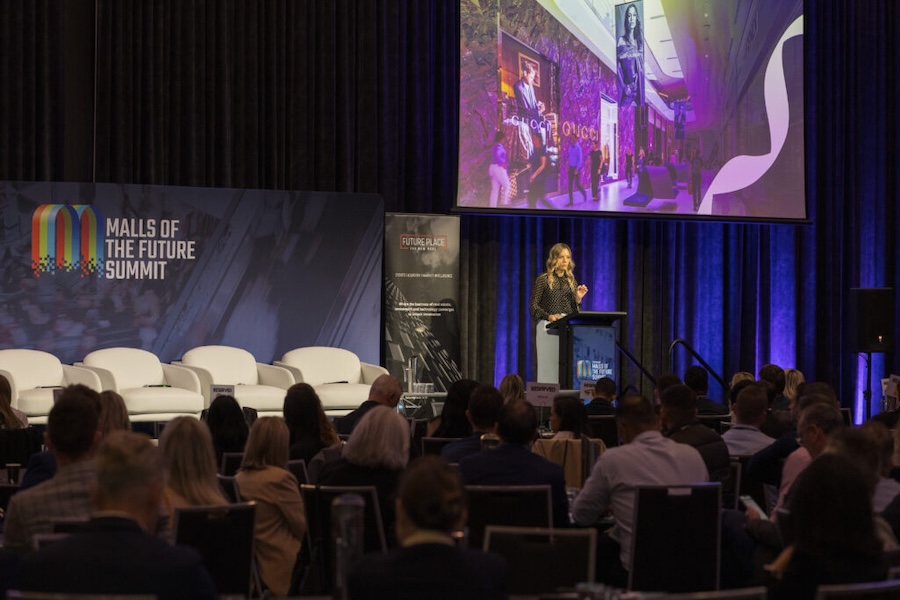

For decades, anchor strategy in Australian shopping centres was predictable: Department stores and supermarkets set the rhythm of visitation. That model is now changing. As societal norms shift, so too does the role of the shopping centre in everyday life. The most successful assets are moving beyond purely transactional visits and deliberately curating tenant mixes that support work, wellness, food, leisure and community – in other words, a contemporary ‘third place’.
In this environment, a new class of anchors is emerging: Fitness and wellness, fresh food, flexible workspace and entertainment. Each can drive strong, habit-forming traffic; together they are reshaping how a centre trades across the whole day and how value is created. These anchors, and the strategies that support them, sit at the heart of this year’s Malls & Stores of the Future Summit in Melbourne.
From big-box to behaviour-based anchors
Traditional anchors were defined by size and sales volume. Today’s anchors are increasingly defined by habits. A gym membership, a weekly market shop, flexi workspaces or a regular entertainment visit all create repeatable patterns, and when those behaviours are anchored in a centre rather than a high street or online, the surrounding mix can benefit dramatically. The opportunity is to design these uses as traffic engines, not just tenants that happen to be on the leasing plan.
Fitness and wellness: Frequency at both ends of the day
Fitness operators are no longer fringe tenants. Full-service gyms, boutique studios and wellness clinics are now core to many centres’ anchor strategies. They open early, trade late and run on subscription models that encourage multiple visits per week, changing the daypart profile of a centre and feeding coffee, convenience, food, athleisure and allied health. Increasingly, athleisure and sportswear brands are amplifying this effect by building communities around run clubs, training sessions and recovery events, further cementing the centre as a hub for daily wellness. A summit panel on fitness and wellness as anchors with Fitness & Lifestyle Group, LSKD, 2XU, Lorna Jane & Mirvac brings landlords, brands and operators together to share what is working.
Fresh food: From errands to experiences
Supermarkets have always been critical anchors, but the format of fresh food is evolving. Curated markets, specialty grocers and prepared-meal concepts can lift the weekly shop into a more deliberate food experience, turning centres that combine everyday value with quality and variety into the default answer to “What’s for dinner?”. Well-executed fresh food precincts lengthen dwell, support cross-shopping and create defensible differentiation, and a summit case study on Vicinity Centres’ Chadstone Market Pavilion will show how curation and design are lifting visitation and spend.
Flexible workspace: Making the centre a weekday base
Hybrid work has put flexible workspace firmly on the anchor agenda. Embedding co-working hubs, serviced offices or corporate satellite suites in a centre delivers customers who are on-site for much of the day and who need food, services and sometimes after-work socialising. For landlords, the upside is not just rent from the workspace operator but higher-quality weekday footfall and deeper relationships with corporate occupiers, and a fireside chat with WOTSO and Colliers will unpack the formats and commercial settings that make workspace work as an anchor.
Entertainment: From occasional treat to everyday drawcard
Entertainment is also stepping into a more strategic role. Cinemas, bowling and family fun centres have long featured in centres, but the category is broadening into immersive experiences and competitive socialising that extend evening and weekend trading and drive spend into dining and bars before and after the experience. A summit session on experience anchors that perform with FunLab will focus on before-and-after data for entertainment concepts and what it took in terms of placement, acoustics and safety to make them work commercially.
Designing the ecosystem – and measuring what matters
The common thread across fitness, fresh food, flexible workspace and entertainment is that none of them operate in isolation; the real prize lies in how they interact with one another and with the surrounding specialty mix. That means tightening adjacency planning, reshaping operations around longer and more varied trading hours, and evolving metrics beyond sales per square metre to track frequency, cross-shopping, dwell and loyalty. At the Malls & Stores of the Future Summit in Melbourne, these questions are unpacked across the anchor-focused sessions, giving owners and managers a chance to stress-test ideas before the next round of deals is signed.

Add comment