

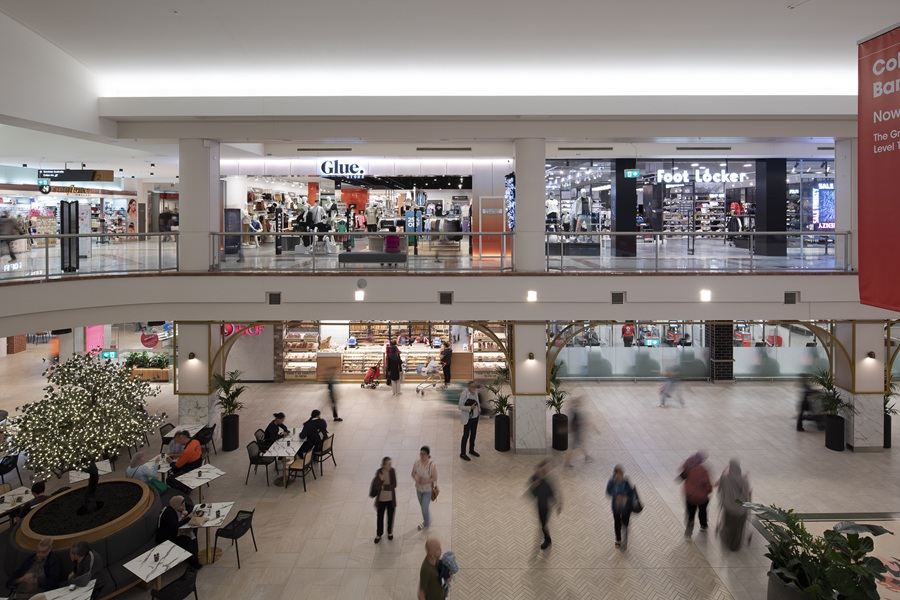

Retail construction in operating centres is one of the more demanding things you can take on in this industry. You’re building while thousands of people walk past, and every one of them is your responsibility as much as the work itself. The programme is as important as the finished product. And you’re managing landlords, centre management, individual tenants, consultants, and authorities all at once, and all have a legitimate say.
The builders who do this well aren’t the ones with the most impressive capability statements. They’re the ones who’ve done it enough times to stop being surprised by it.
The stakeholder reality
Every shopping centre project comes with a wide web of stakeholders. Landlords are focused on asset value and lease commitments. Centre management is thinking about every trader in the centre, not just the one being refurbished. Individual tenants have their own fitout requirements, their own trading hours, and firm views about what’s happening next door.
Getting this right means getting in early, understanding what each stakeholder actually cares about, not just what they’ve written in a brief and treating coordination as part of the build methodology, not a problem to solve when things go wrong.
Early Contractor Involvement (ECI) is one of the most effective tools available in a live environment. Bring a builder in during early design and planning, and the realities of working in a live centre – the staging, access, hoarding, noise windows, dust and trade sequencing can actually shape the approach from the start. By the time construction begins, the hard conversations have already happened.
What live environments actually look like
The challenge takes different forms in different settings.
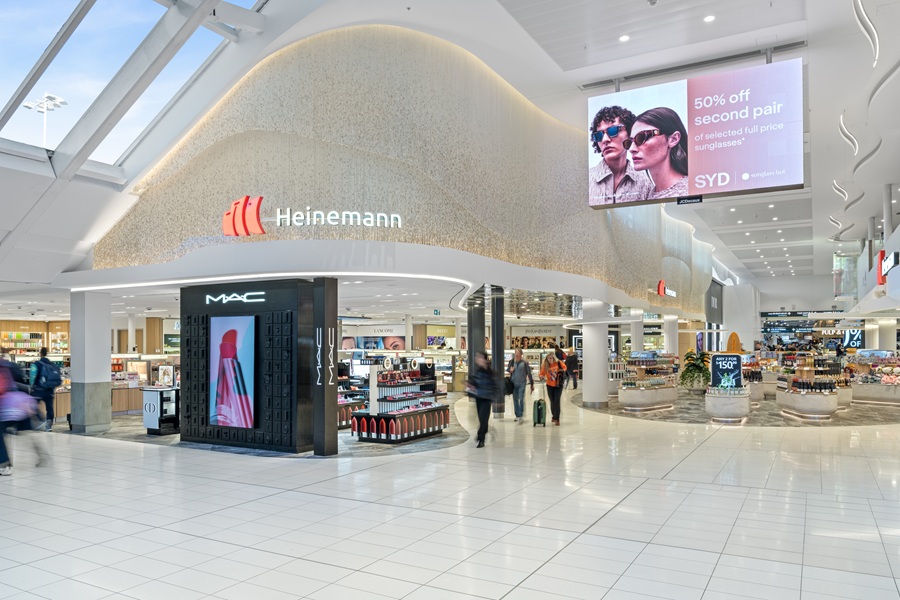
At Sydney Airport Terminal 2 and 3, the Heinemann luxury retail fitout had to be delivered inside a terminal that never stopped moving. Passenger volumes don’t let up. Security requirements are fixed. Access windows are tight. In that environment, safety shapes every other decision.
Shopping centres are their own version of that challenge. The David Jones ‘Store of the Future’ at Chatswood Chase is a useful case study. A 14,000sqm high-end fitout across two trading levels, with the store open during the majority of works. More than 70 contractors, 200-plus tenant fitouts and only one loading dock. High-impact works went outside trading hours. Construction zones were hoarded and zoned so that from the shop floor, you’d barely know the fit-out was happening.
That kind of choreography isn’t unusual in this sector anymore. The expectation now is that construction fits around the centre’s trading rhythm, not the other way around. At Stockland Green Hills, retail floor and back-of-house upgrades were completed without the centre ever closing. The base builds for General Pants, JD Sports, and Taking Shape, food court refreshes, and surrounding traders are largely undisturbed throughout. Supermarket refurbishments run the same way. The work’s scheduled tight around trading, stores decommissioned and reinstated overnight, the rest of the centre none the wiser.
Absorbing change without losing control
The ability to absorb change without letting the programme unravel is one of the most valuable things a retail builder can offer, and one of the least talked about. Tenant mixes shift. Fitout requirements get refined late. Leasing decisions made after construction starts bring new variables into the mix.
The Bankstown Central redevelopment was a $40 million build delivered in 66 weeks within a live centre and is the example we tend to return to internally. Partway through the program, supply chain delays hit the travellator deliveries. Rather than absorb the slippage into a critical path, the methodology was reworked to move the travellator installations to the back end of the programme, and the sequencing in front of them was rebuilt. The Centre opened on time and on budget.
Some disruptions can be worked around. Others can’t. But the projects that recover well tend to share a common feature, including a team willing to revisit the methodology rather than defend it, and with the authority to make that call quickly.
What it comes down to
What we’ve come to understand, through years of working in live environments, is that clients are looking for a team that can hold the full picture at once. Stakeholder relationships, the programme, safety obligations, decisions made on the fly, and a finished product everyone can stand behind.
That’s what retail construction expertise looks like when it’s real. And in an environment where landlords, centre management, and tenants are all paying close attention, it’s usually what determines whether there’s a next project.

Add comment