

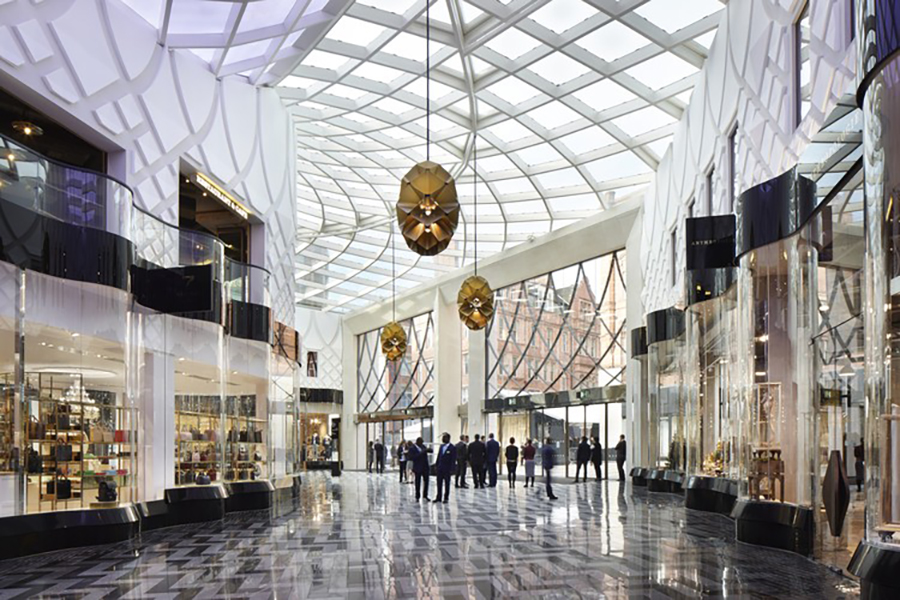

Claire Bowles shares her insights on how European cities are reimagining shopping destinations. From heritage-led luxury arcades to eclectic creative hubs, these precincts reveal how retail can drive regeneration, foster community, and create memorable experiences.
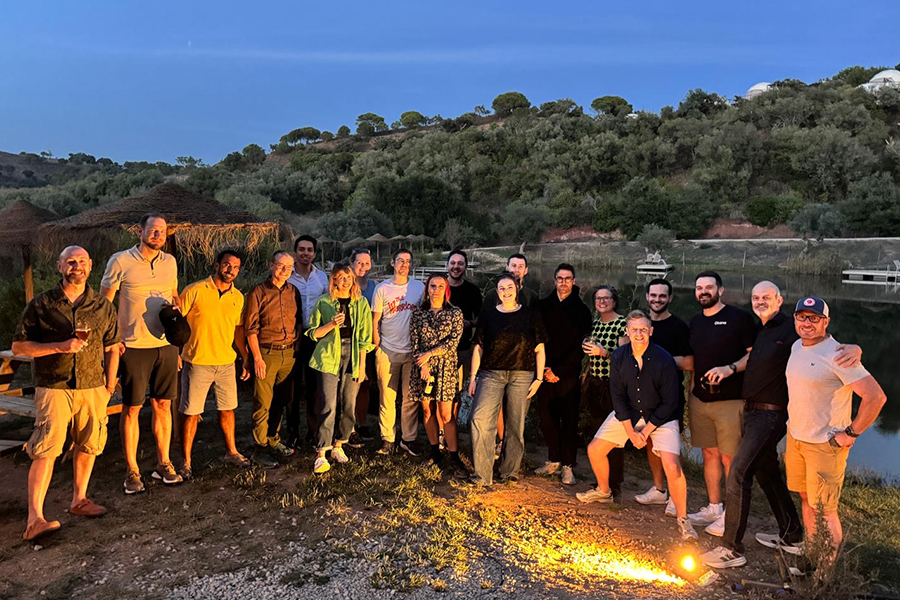
Having recently returned from Europe with our global Okana team – after participating in our partner’s strategic forum in Lisbon and spending a few days in our London studio – I’m compelled to share reflections on retail regeneration in London, Leeds and Lisbon. My journey was as much about exploring vibrant urban precincts as it was about reconnecting with family, and observing firsthand how retail spaces are being reimagined across Europe.
Arriving in London, I was immediately struck by the city’s palpable energy. It felt as though London was undergoing a major shift. It had a vibrancy and sense of possibility I hadn’t experienced in previous visits.
The transformation of physical spaces was evident: Precincts were being redesigned to foster connection, improve mobility, and create opportunities to experience nature in the heart of the city.
The role of physical retail is clearly evolving. Today’s most successful precincts are no longer simply places to shop – they are hubs for community, culture and connection.
During my travels, I visited three retail precincts that exemplify this trend: London Bridge in London, Victoria Leeds in Leeds, and LX Factory in Lisbon. Each offered new perspectives on how retail can drive the social, cultural and economic vitality of cities.
Retail as a catalyst for regeneration
Traditional shopping centres and high streets worldwide are contending with rising vacancies, shifting consumer expectations, and a growing desire for experiences over mere transactions. In this climate, retail has the power to anchor storytelling, identity and community life.
The three European precincts I visited shared several defining traits:
- Authenticity and heritage are celebrated.
- Retail is integrated within a broader cultural and community ecosystem, rather than being dominant.
- People and place come first, with commercial outcomes following naturally.
London Bridge: Culture and connection
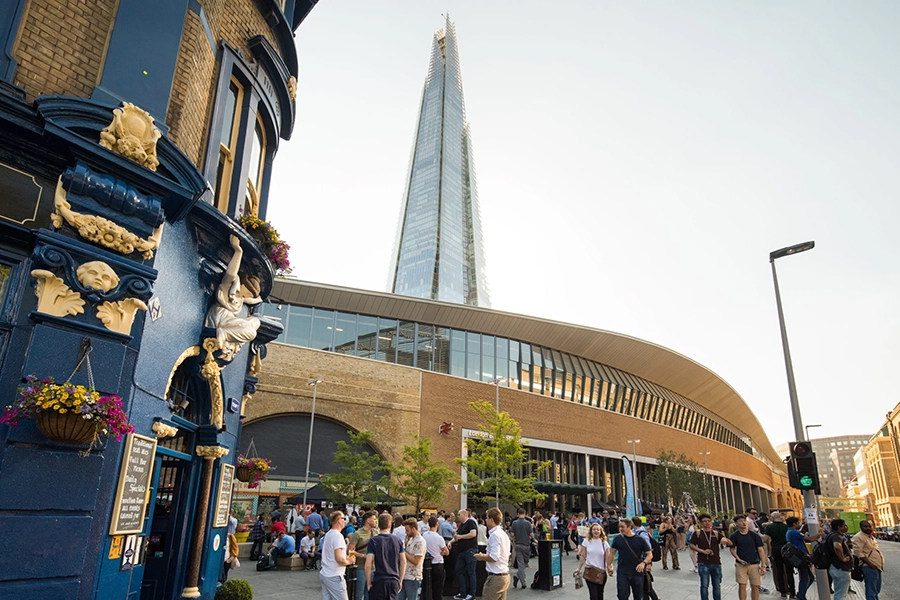
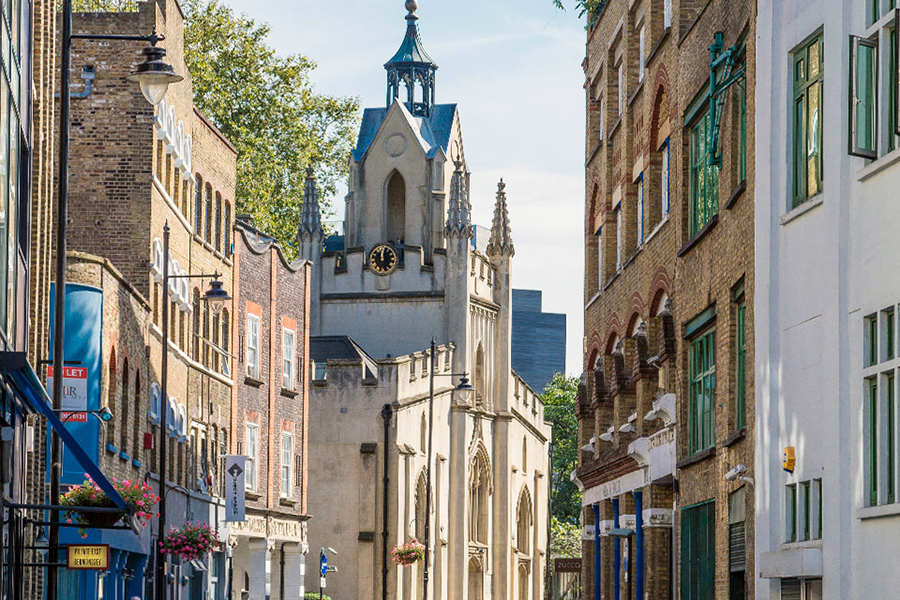
In London, I scheduled meetings in the London Bridge precinct specifically to experience its transformation. I wanted to experience first-hand how the London Bridge business improvement district was taking shape — and it didn’t disappoint. The Victorian rail arches have been creatively reimagined into intimate laneways filled with hospitality venues, artisan and vintage retail, cultural spaces, and independent makers. Rather than competing with the neighbouring Borough Market, the precinct complements it, enriching the overall visitor experience.
Along Bermondsey Street, heritage architecture blends seamlessly with contemporary design, sparking curiosity and discovery at every turn. Outdoor seating, thoughtfully designed public spaces, and pedestrian-friendly movement encourage people to linger, socialise and connect. Here, retail acts as a connector – amplifying culture, history and the unique energy of the place. It had a real vibe about it.
Victoria Leeds – Heritage with heart
Next, I travelled north to Leeds, my home city, to keynote a conference and spend time with family. Leeds is actively reinventing itself, and the Innovation Arc – led by Leeds City Council, Planit, and Deloitte – demonstrates how a place-based strategy can foster innovation and inclusive growth. The city feels more connected than ever, with seamless pedestrian links between universities, museums, and retail precincts.
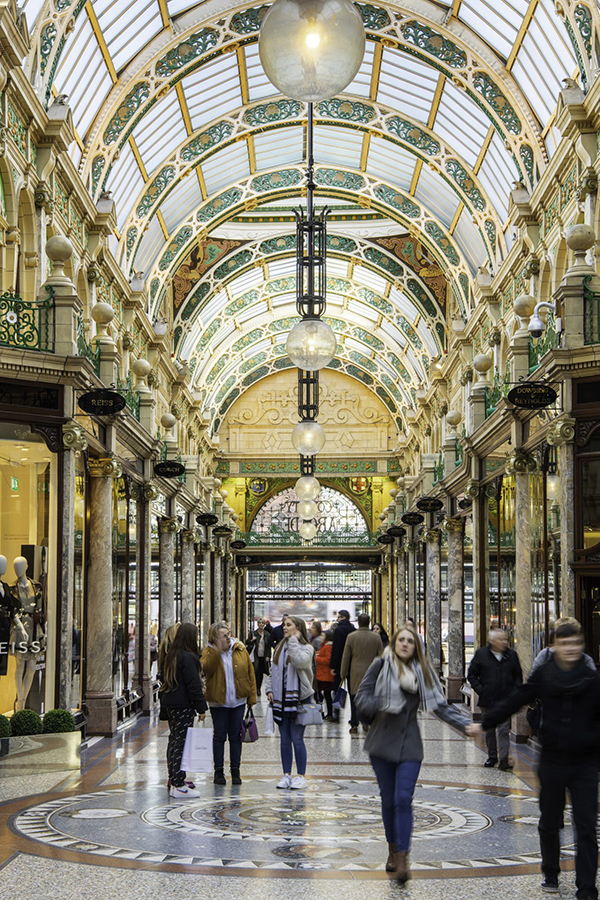
I took the opportunity to explore Victoria Leeds, a standout retail development that celebrates independent brands while offering a rich sensory experience. The restoration of the Victorian arcades is simply breathtaking – ornate detailing, tiled floors, arched ceilings, and artful lighting combine to create an environment that feels both special and welcoming.
Designed as a 21st-century extension of Leeds’ iconic arcades, Victoria Leeds pays homage to the city’s heritage while remaining contemporary and lively. This is premium retail with soul, brought to life through storytelling, beauty, and community activation.
LX Factory, Lisbon – Creative regeneration
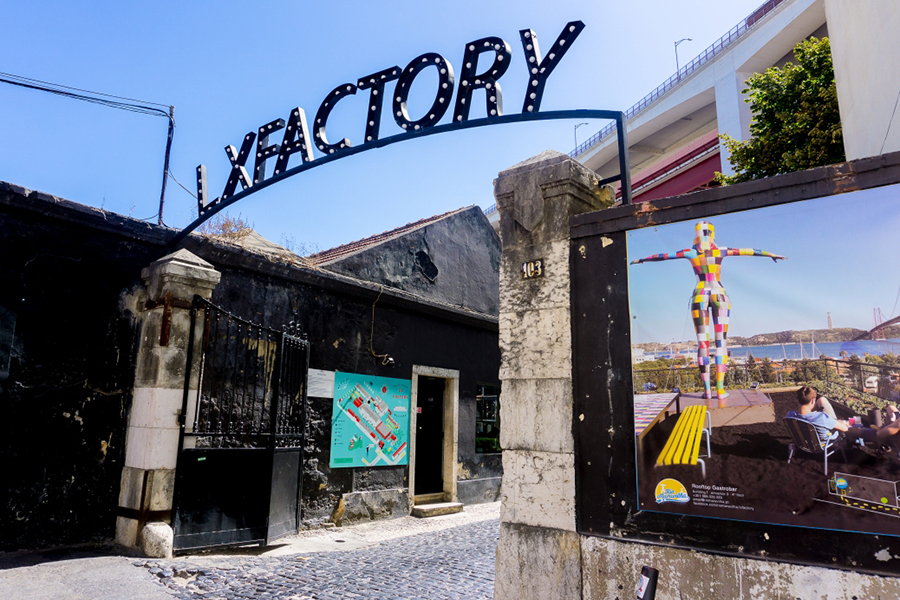
Finally, I spent a few days in Lisbon. While there, I met with Pedro Pereira, CEO of Hub Capital, who introduced me to the work behind LX Factory — possibly one of the most eclectic precincts I’ve ever visited. Situated beneath the 25 de Abril Bridge, the project prioritised cultural production over pure consumption, allowing retail to serve as a connector between art, design, and daily life.
Pedro described it as “a project that prioritised cultural production over pure consumption, allowing retail to serve as a connector between art, design, and daily life. Its success stems from a grassroots model of regeneration – where economic vitality emerged organically from community participation, rather than large-scale corporate retail investment.”
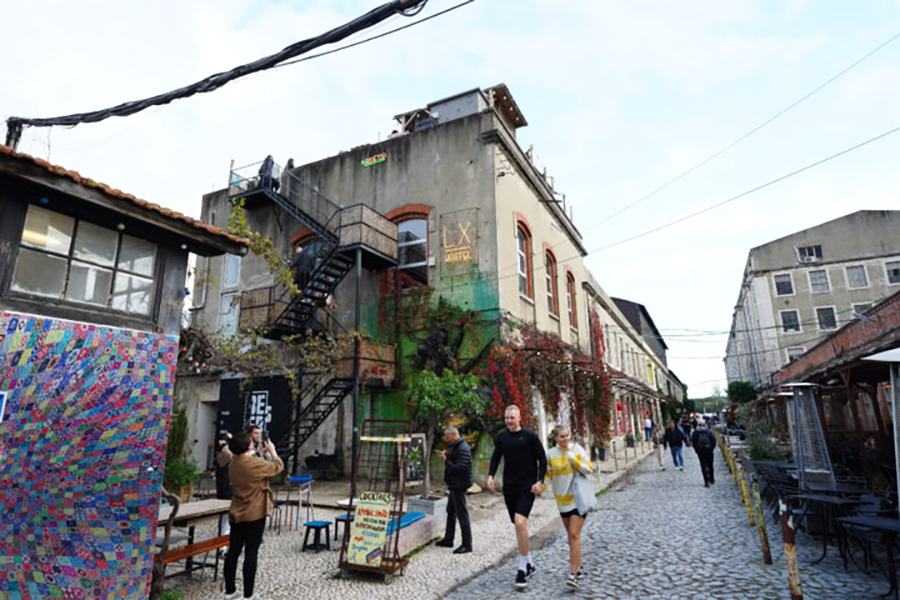
Once an abandoned industrial site, LX Factory is now a thriving creative village filled with independent design stores, bookshops, artisan studios, concept fashion, rooftop bars, co-working spaces, and a bustling weekly market. Murals and street art cover the walls, pop-ups animate the courtyards, and every corner offers a new surprise.
What stood out most was LX Factory’s raw, grassroots spirit. Rather than a carefully curated development, it strikes a balance between structure and creative freedom, enabling independent traders and emerging talent to shape the precinct’s evolving character.
Reflections for Australian retail
Reflecting on my experience, a clear message emerges: successful retail precinct regeneration is grounded in character, community and culture. As Australia seeks to revitalise high streets and future-proof its retail centres, three opportunities stand out:
- Lead with identity and story – design from that foundation.
- Blend independent operators with anchors to foster resilience, diversity and authenticity.
- Create reasons to return, through programming, partnerships, art, and cultural experiences.
These European precincts reminded me that the future of retail is fundamentally human. When places reflect their people, honour their heritage, ignite curiosity, and invite participation, they become irreplaceable.
The question for Australian retail is: What role will our destinations play in regenerating culture, community and connection in the decade ahead?
- This article by Claire Bowles, Purpose Director at i2C Architects was first published in SCN magazine



Add comment