



As Australia’s food and hospitality industry faces economic headwinds and evolving consumer expectations, it’s redefining itself with fresh trends and resilient strategies. Businesses are navigating rising operational costs and shifting spending habits by adopting innovative approaches, from immersive dining experiences to AI integration and locally inspired offerings.
Headwinds and tailwinds impacting different categories within the hospitality sector mean property owners need to get highly strategic when determining F&B tenancy mixes, incentives and renewals for the next five years. Titanium Foods outlines five key areas to help landlords secure stable rental income from F&B tenants.
F&B winners and losers: The state of the market
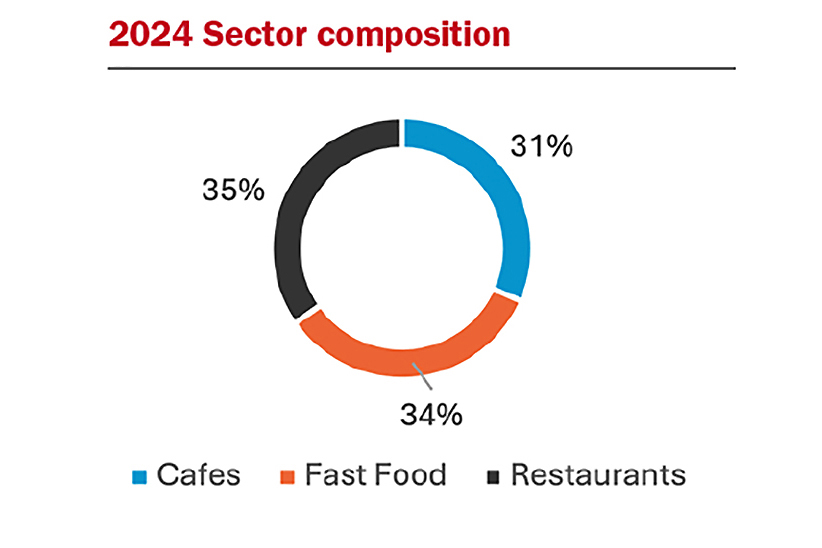
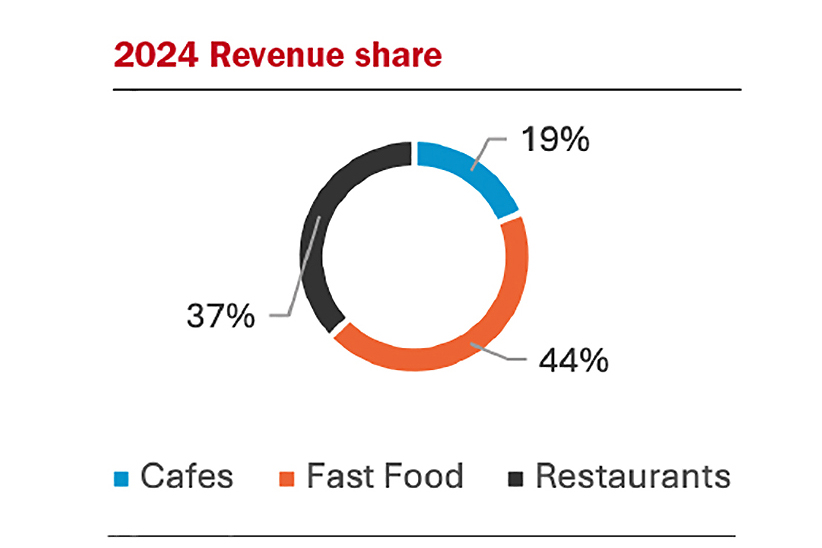
Australia’s 79,000+ fast food, cafe, and restaurant venues generate a substantial $57.4 billion in revenue, but not all segments benefit equally, with cafe competition and over-supply being the key concern. As the three charts below explain – cafes make up 31% of the category mix but only capture 19% of the spend, resulting in the average turnover per cafe being ~60-100% less than restaurants and fast food.

Heads you lose and tails you win
It’s been a rollercoaster few years for the hospitality sector. First the pandemic wiped out the sector with lockdowns and capacity restrictions taking billions of dollars in sales off the table. Then when revenge dining came on in full force, the sector was short about 40% of its pre-COVID workforce and lettuces were costing $11 each. As the sector stabilises, growth rates vary – cafes and restaurants saw a 6.8% compound annual growth rate (CAGR) over five years, while fast food lagged behind with just 1.3% CAGR1.
For landlords, this calls for a reassessment of tenant performance and resilience. For property landlords with hospitality in their tenancy mix, five key trends are expected to shape tenant acquisition and rental strategies in 2025:
1. Sustainability: A competitive edge in leasing
With sustainability commitments accelerating, particularly from superannuation funds and real estate investment trusts (REITs), landlords must incorporate environmentally friendly initiatives into leasing strategies. Challenges like the cost of electrification in cooking operations can be offset with other impactful sustainability measures. Titanium Food’s best-practice guide suggests actions such as:
- Swap out of materials in the fitout guidelines
- Changes to step downs to reduce defit carbon
- Centralised hot water
- Supplier packaging conditions
- E-water to eliminate chemical use
- Composting and waste management initiatives
- Packaging changes
- Tenant and tenant supplier opportunities to address modern slavery, social enterprise and First Nations matters.
Action: Landlords and property owners whom refresh their leasing materials and fitout guidelines to reflect and incorporate these practices will find it easier to attract like-minded F&B tenants.
2. Embrace digital transformation
The pandemic accelerated digital transformation in hospitality, but many venues still lag in utilising technology to enhance efficiency. About 30% of F&B revenue now comes via third-party apps, which take hefty commissions (20-30%). This shift in customer behaviour undermines a landlord’s ability to drive foot traffic, potentially leading tenants to opt for lower-cost dark kitchens.
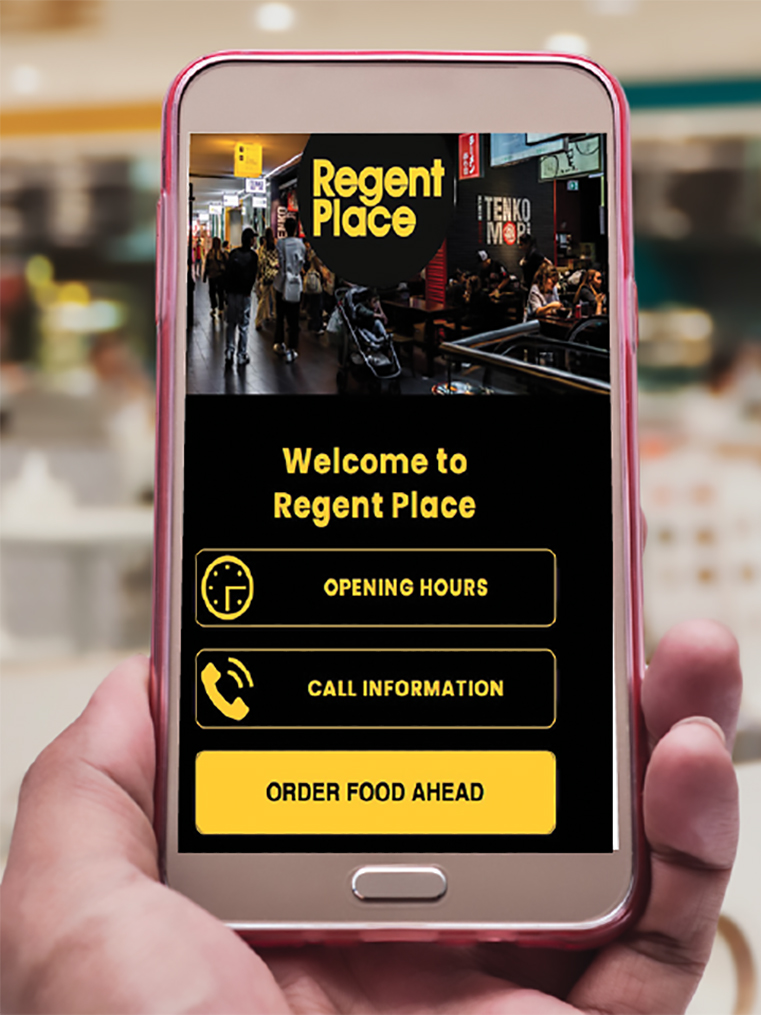
White-label apps provide a solution, allowing landlords to control the customer relationship while eliminating third-party fees. We are amazed how few landlords have adopted this strategy.
Action: Implement white-label apps to capture customer engagement, enhance tenant loyalty, and mitigate revenue loss to delivery platforms.
3. The science of conversion versus attraction
F&B is often seen as the answer to driving foot traffic in shopping centres. However, understanding the difference between ‘conversion’ tenants (those who benefit from existing customer traffic) and ‘attraction’ tenants (those who draw new visitors) is key. In our work, we have proven metrics that show distinct differences in tenant performance and longevity depending on the type of F&B use and its location within the centre. Building a five-year asset plan in a stabilised asset requires a careful dissection of:
- The customer profiles – who leans to fast food, who resonates more with QSR or casual dining
- Travel path analysis – for some areas of a centre, F&B relies on customers ‘converting’ to F&B while they are in the centre for another primary reason. In other sections of the centre, it is possible to ‘attract’ new customers to the centre because of the food mix. Misunderstanding which parts of your centre have the attributes of ‘conversion’ versus ‘attraction’ is where the majority of poor F&B performance stems from.
- Competition – knowing what the centre is over/under indexed in compared to the PTA and MTA is the final key to crafting the curated tenancy mix.
Action: Proactive asset managers consider these three metrics alongside current performance analysis to define a clear and targeted leasing plan that generates incremental rental improvements when development feasibilities don’t stack up.

4. The experience-driven demand:
Appeal to Younger Consumers: Gen Z and Alpha consumers are shaping the future of F&B. They crave customisable experiences, Instagrammable moments, and interactive dining environments. Brands like Yo-Chi exemplify this shift, drawing crowds with visual appeal, influencer marketing, and customer choice in pricing and ingredients.
Action: Develop a place-making strategy and tenancy mix strategy that delivers engaging, interactive spaces and stores for tomorrow’s consumers.
5. Economic pressures and cost sensitivity
At a recent Good Food Symposium we attended, high-profile food writer Callan Boys referred to the ‘crisis’ affecting the hospitality industry. Many of the panel participants at the symposium lamented the declining customer numbers and spending as the cost-of-living crisis continues to drag on the Australia economy. Power, insurance, food, labour and rent costs all continue to escalate. Along with delivery platform costs further eroding profits, F&B operators are experiencing the worst trading conditions for many decades. Yet many F&B operators are leaving profits on the table with lack of adoption of technology, poor rostering and limited marketing plans.
Action: Support your tenants by offering guidance in adopting tech solutions to enhance efficiency. Strong landlord-tenant partnerships during lease renewals can result in more stable tenancies and higher occupancy rates.
Adapt and thrive in a changing market
By proactively addressing these trends – sustainability, digital transformation, strategic tenant placement and experience-driven demand – landlords can curate F&B spaces that attract resilient tenants and maximise rental income. The hospitality industry may be evolving, but property owners who take decisive action will secure their assets’ long-term success.
1. Source IBISworld
This article by Suzee Brain, Director at Titanium Food is featured in the latest issue of SCN magazine.

Add comment