

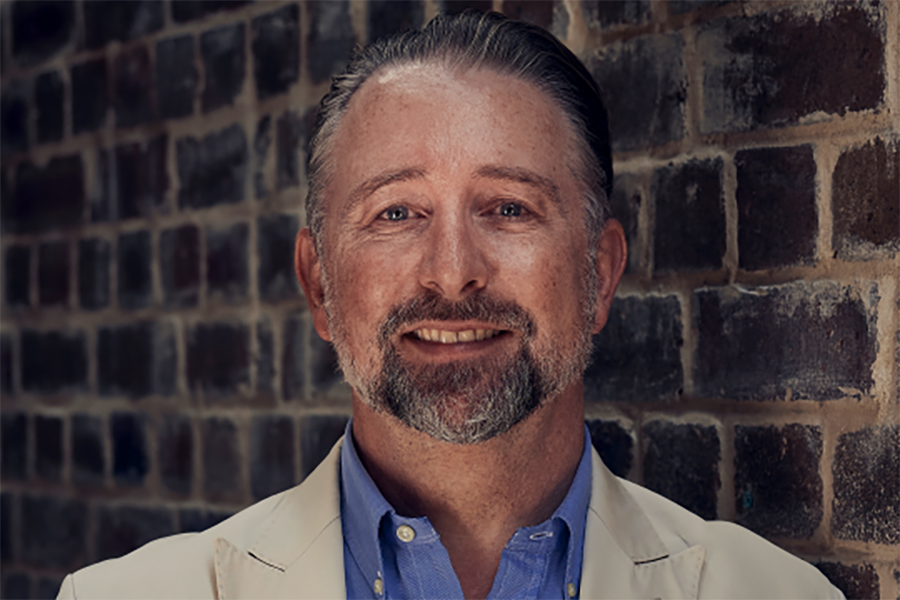

As city centres evolve into more integrated, experience-led destinations, the role of those leading these assets has never been more critical – or more complex. In this exclusive Q&A, we speak with Bruce Sedgwick, Director of Titanium Retail Leasing.
SCN: What is your current role and what are your responsibilities?
With more than 35 years’ experience in retail property for major REITs, including Lendlease, GPT and Scentre Group, I specialise in advising owners and partners on development, leasing and asset strategy, with a clear focus on performance and long-term value.
As Director of Titanium Retail Leasing, my work covers tenancy mix, retailer engagement, repositioning and development input. I take a practical, outcomes-driven approach, working closely with clients to create retail environments that trade strongly and remain relevant in a changing market.
I have always believed that successful leasing is about more than occupancy. It is about making the right decisions for the asset and the retailer – aligning brand, location and commercial terms in a way that enhances income, strengthens asset performance and gives retailers the best possible platform to succeed.
SCN: How is your team prioritising experience-led growth over traditional retail?
We are deliberately shifting the focus from pure retail provision to creating places people have a reason to visit and spend time. That starts with the mix – placing greater emphasis on food, services, wellness, convenience and social uses, alongside core retail.
It also means thinking more carefully about how a centre is used day to day. We look at dwell time, ease of movement, activation of common areas and how different uses complement each other across the trading day, rather than treating tenancies in isolation.
Experience-led growth, in our view, is about curating a mix that feels natural, relevant and easy for customers to engage with. When people enjoy being in a place, they stay longer, visit more often and, ultimately, spend more.
Traditional retail still has an important role to play, but it works best when it sits within a broader, well-considered environment that reflects how people live and spend their time.
SCN: With the rise of vertical precincts, how are you integrating non-retail uses into your assets?
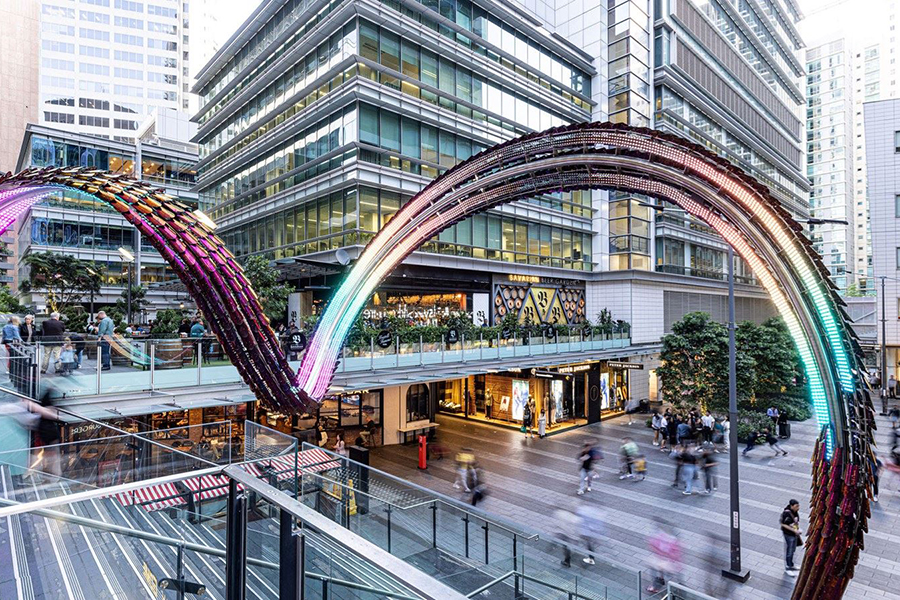
The best mixed-use precincts start with a clear understanding of who is already there and how they use the place across the day. In CBD environments like Sydney’s World Square, office workers, residents, hotels, transport, health and lifestyle uses all shape what retail should sit beneath them.
Our approach is to respond to that rhythm rather than impose a generic mix. If a precinct is active in the morning, the offer needs to perform at that time. If it reactivates in the evening, the mix must support that as well.
Successful mixed-use is not about layering more uses onto a plan. It is about alignment – ensuring each component works with others to create flow, relevance and consistency throughout the day.
SCN: How is AI influencing your real-time decision-making regarding tenant mix or operational efficiency?
AI is proving to be a valuable assistant in retail leasing. It can process data quickly, identify patterns and test assumptions around tenancy mix, trading periods and operational performance – particularly when decisions need to be made at pace.
However, it remains a tool, not the decision-maker. Retail property is still a people business, built on experience, retailer advocacy, relationships and local knowledge. AI can point to what is happening, but experience is critical in understanding why it is happening and what to do next.
SCN: What does a destination anchor look like to you in 2026?
In my career, I have worked through the impact of the internet, the introduction of GST, the GFC, the pandemic, the rise of online retail, and the arrival – and in some cases failure – of international brands, along with constant shifts in social demographics.
Retail is fluid, dynamic and always evolving. What is in demand today can quickly fall out of favour tomorrow. That is the nature of the sector.
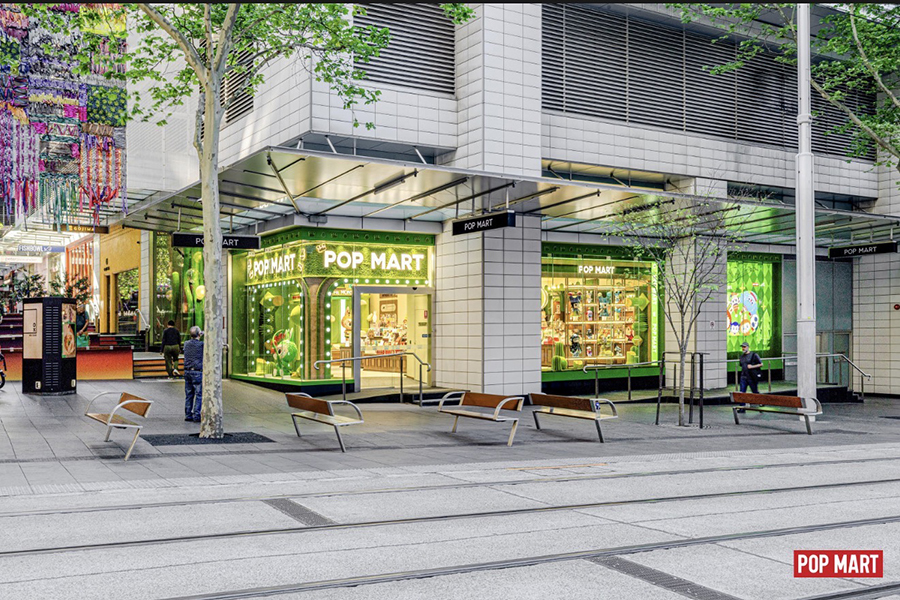
In that context, the definition of an anchor has changed. In 2026, it is less about size and more about pulling power. An anchor might be a premium supermarket, a strong food and beverage offering like Flappy’s Fried Chicken, entertainment, wellness, daily services, or a retailer with sufficient brand strength to drive consistent visitation like Pop Mart.
The key is relevance to the catchment and the ability to generate frequency, dwell time and cross-shopping. In many centres, a well-curated cluster of complementary uses can now outperform a traditional single department store. The opportunity for owners is greater flexibility – but it relies on getting the mix right.
SCN: What is your philosophy on genuine partnership and shared-risk models?
The best leasing outcomes come from alignment, not arm-wrestling. Landlords and retailers both perform better when deal structures reflect commercial reality and support long-term success. My default position is not to say no, but to work out how to structure a deal that delivers for both parties.
Genuine partnership starts with transparency – being clear about the opportunity, setting realistic expectations and taking a practical view of risk. That may involve staged occupancy costs, turnover-based mechanisms or terms tailored to a concept that adds genuine value to the precinct.
It is not about giving away the farm. It is about structuring deals that work in the real world, for both sides, and can sustain performance over time. There is almost always a way – if the fundamentals are right.
SCN: What strategies are you using to capture the growing nighttime economy?
The growing nighttime economy is being driven by dining, entertainment, convenience and services that appeal to workers, residents and visitors after dark.
Successful precincts take a deliberate approach to how they function beyond standard trading hours – considering lighting, safety, activation, transport connectivity and the right mix of operators willing to trade later.
Food plays a major role, but it is not simply about adding more restaurants. The objective is to create a place that remains active, safe and worth visiting at 8pm, not just 11am.
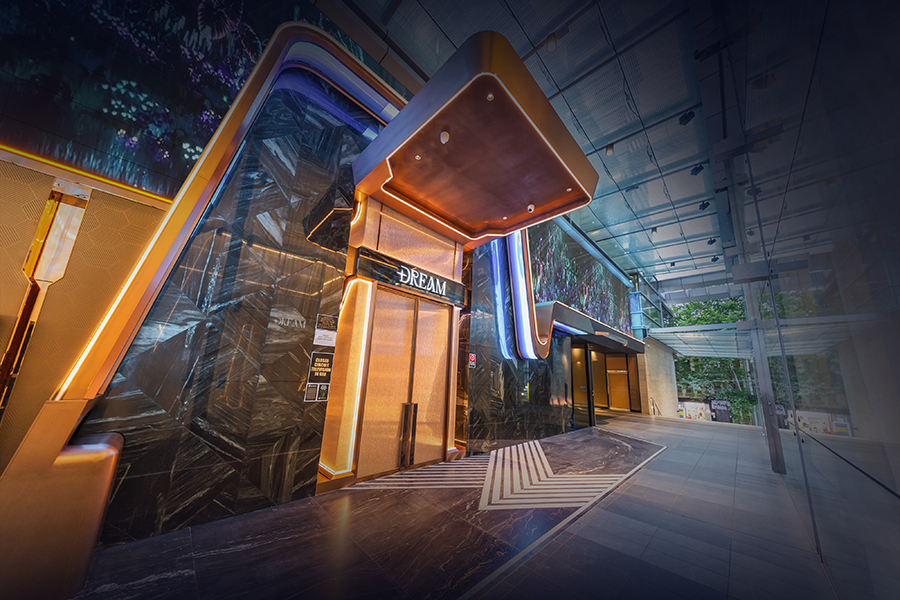
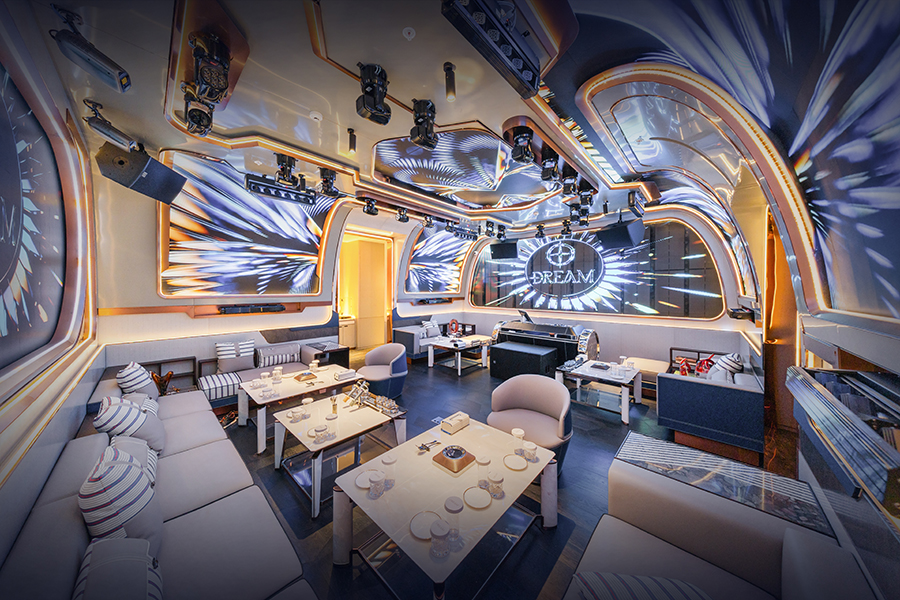
At World Square, we recently delivered the Dream nightclub and karaoke venue, which trades late into the night – 4am, alongside a broader repositioning strategy. We are also reworking the upper plaza restaurant precinct, with six new concepts due to open in mid-2027.
SCN: Which retail precinct globally or locally sets the gold standard for 2026, and why?
Internationally, parts of Singapore and Tokyo – which I visit regularly – continue to set a very high standard because they understand curation, transport integration and customer experience at a highly practical level. I also have a particular appreciation for the Italian luxury outlet centres outside Milan and Florence.
Locally, the strongest CBD precincts succeed for the same reason: They treat retail as part of a broader ecosystem, not simply a row of tenancies. The streetscape, amenity, food offer, accessibility and overall quality of place are just as important as the shops themselves.
SCN: Looking back at your journey, what is the most significant way the skill set required for a retail leader has changed since you started?
When I started, the role was more transactional and, in many ways, less complex. Today, a retail leader still needs strong commercial instinct, but the skill set has expanded significantly.
It now requires an understanding of data, customer behaviour, placemaking, stakeholder management and how different asset classes interact within a broader precinct or portfolio. The role has become far more cross-disciplinary.
Leadership today is less about relying on what worked in the past and more about continuously learning, testing and adjusting to what works now.
At the end of the day, however, it is still about four fundamentals: people, place, product and program. Get that right, and it is very hard to fail.
SCN: What is the one piece of advice you would give to someone entering the retail property industry today?
Learn the fundamentals properly and build relationships that last. Retailer advocacy is paramount – you are only as good as your last deal.
Be curious, do the hard yards, listen more than you talk, and show up consistently. It is still a people business, and I cannot see that changing any time soon.
SCN: In three words, how would you describe the Australian shopping centre of the next decade?
Adaptive. Experiential. Essential.
- This exclusive interview was first published in SCN magazine – CBD Guns edition



Add comment