



As city centres evolve into more integrated, experience-led destinations, the role of those leading these assets has never been more critical – or more complex. In this exclusive interview, we speak with Katrina Warren, Brisbane CBD Manager, Vicinity Centres.
SCN: What is your current role and what are your responsibilities?
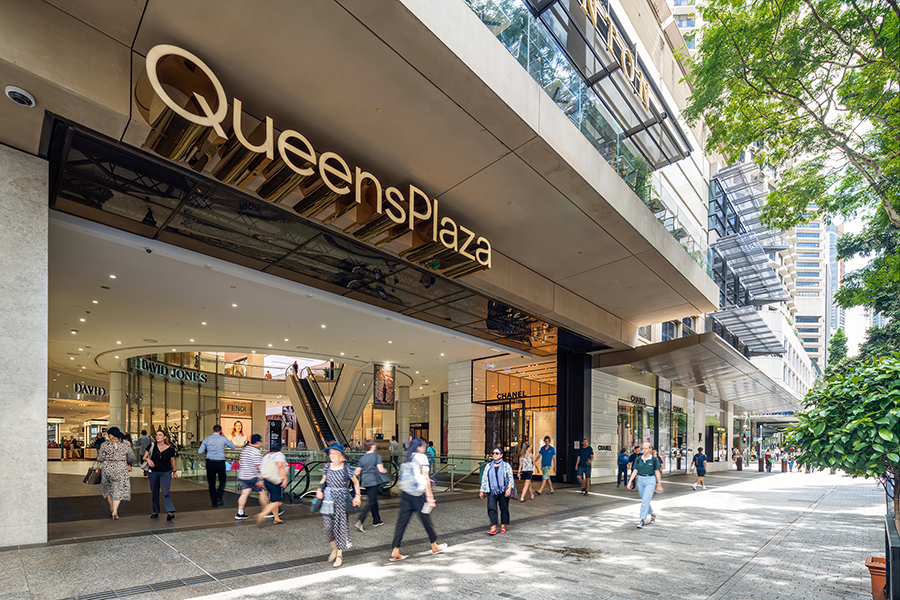
I’m responsible for Vicinity’s Brisbane CBD portfolio, including Uptown and QueensPlaza, and I also oversee Taigum Square and Buranda Village. With over 20 years’ experience in the business, I bring deep knowledge of the Queensland retail landscape as well as broader experience across Australia.
My focus is on overall performance – leading strong centre teams, maximising retailer and stakeholder outcomes, and ensuring our assets play a positive role in supporting the broader Brisbane CBD economy. As we progress development plans for Uptown, we have an opportunity to revitalise the precinct and strengthen its role in the city’s next chapter. I’m looking forward to working across that project alongside our partners and stakeholders.
SCN: What are some of the most significant changes you’ve seen in your time working in retail?
Over the years, I’ve seen a clear shift in how landlords and retailers work together. It used to be much more transactional, but today it’s far more collaborative and strategic. There’s now a shared focus on placemaking and performance, with deeper conversations about how each retailer supports the broader vision for a centre and the experience we’re creating for the community.
Technology has played a big role in that shift. Data, digital platforms and increasingly AI are giving us much better insight into how customers move through centres, how they engage with brands, and what’s driving dwell, spend and loyalty. That means decisions around mix, design and activation are much more informed and considered, and retailers are partners in shaping places – not just tenants occupying space.
SCN: How is your team currently prioritising experience-led growth over traditional retail?
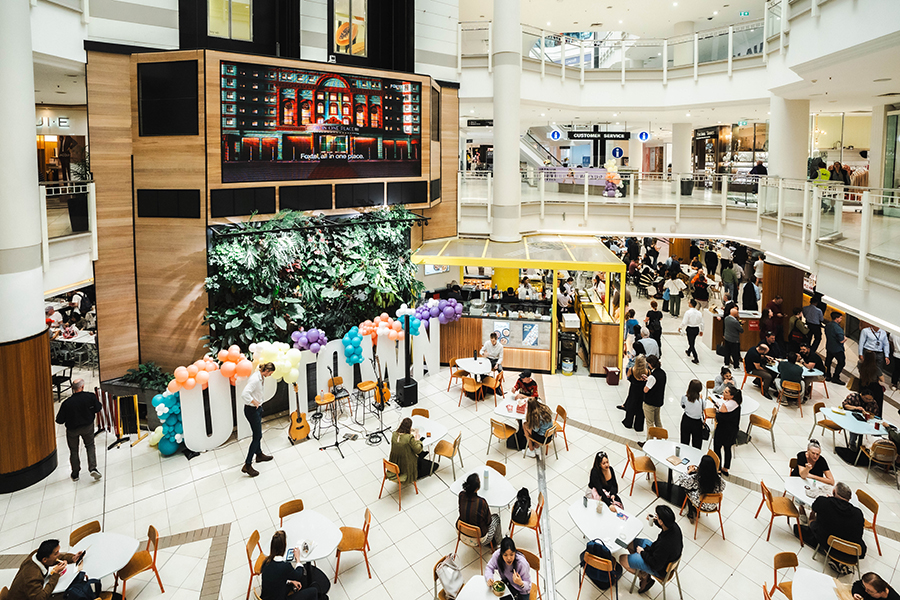
We’ve leaned heavily into experience-led activations that give customers a reason to visit our centres beyond traditional shopping. Partnerships with global exhibition providers such as Fever have enabled us to activate space creatively, bringing major immersive experiences into our centres – like Titanic, Banksy, Body Worlds, Friends and Dopamine Land. That’s driven visitation, supported retailer confidence, and reinforced our role as a destination.
SCN: With the rise of vertical precincts, how are you integrating non-retail uses into your assets?
For me, mixed-use mastery is about truly understanding how different uses come together to create a place that works cohesively – not just retail alongside other uses, but a genuinely integrated experience.
A great example is Uptown, where we’ve partnered with Australia Post and StarTrack to create an urban logistics hub within the asset – repurposing space, generating new income streams and supporting more efficient last-mile delivery across the CBD.
Looking to the future, Uptown’s development is about delivering a high-quality, highly productive CBD destination that reflects Brisbane’s growth. The focus is on how the centre connects with the wider precinct, how people move through it, and how the mix supports different needs across day and night. As the city grows and changes, we see a genuine opportunity for Uptown to evolve with it and play a much bigger role in city life – helping to strengthen Queen Street Mall and contribute to a more vibrant city centre.
SCN: What does a destination anchor look like to you in 2026?
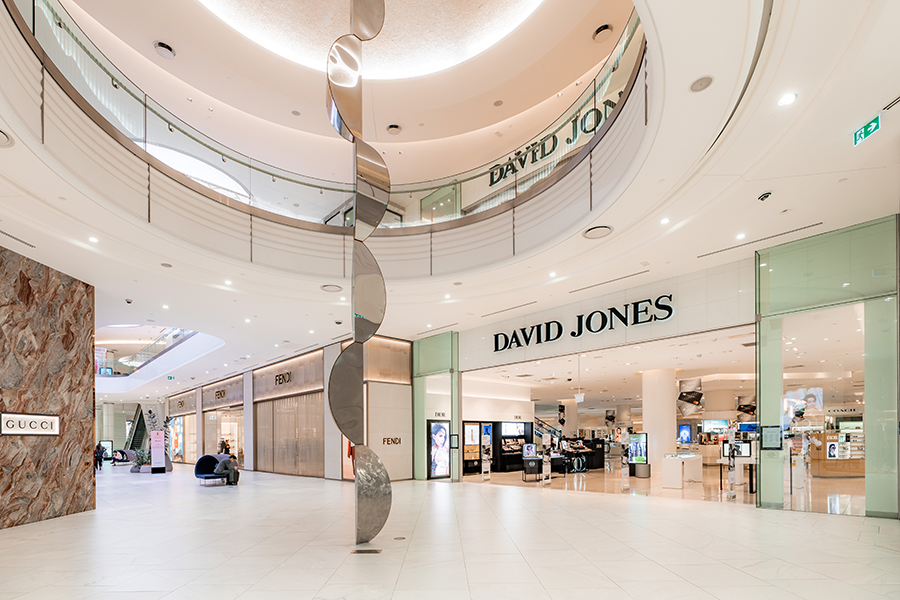
Destination anchors today are less about a single format and more about relevance. They need to be curated to the local demographic, blending retail, food and experiences in a way that reflects how people want to spend their time. The key is flexibility and alignment with the centre’s broader strategy, rather than relying on traditional models. In the CBD context, we see assets like Uptown evolving to support a broader mix of retail, dining and experience that works alongside QueensPlaza – each part playing a distinct but complementary role.
SCN: How is your centre responding to the nighttime economy?
Brisbane’s nighttime economy is still evolving, and it’s not something a single centre can solve alone. We’re actively engaging with council and key stakeholders to prepare for the uplift we expect from major infrastructure projects like Cross River Rail, Queens Wharf and the Olympics, which will be key catalysts for extended trading and evening activity.
Assets like Uptown are well placed to play a role over time because of their connection to transport, Queen Street Mall, and major infrastructure – helping convert movement through the city into activity and engagement.
SCN: Which retail precinct globally or locally sets the gold standard for 2026, and why?
A lot of our inspiration comes from looking globally at places that deliver customer experience exceptionally well. Japan is a really strong example, not necessarily from a retail-format perspective, but in the way service, cleanliness, safety and organisation are treated as non-negotiables.
When you spend time there, what stands out is the consistency and care in the experience. Everything is considered, from how spaces operate to how people are welcomed and moved through them. Those principles translate well into placemaking, even if the physical form looks different.
In retail precincts globally, including in parts of Japan, the most successful places are those where architecture, design and a curated mix work together seamlessly. That thinking increasingly shapes how we approach our own developments: focusing on quality of experience, thoughtful design and long-term relevance, rather than simply replicating overseas models.
SCN: Looking back at your journey, what is the most significant way the skill set required for a retail leader has changed since you started?
The role has shifted from a traditional landlord mindset to one centred on partnership, placemaking and people leadership. Emotional intelligence, stakeholder management and the ability to adapt quickly, particularly as technology accelerates the pace of change, are now just as critical as commercial expertise.
SCN: What is the one piece of advice you would give to someone entering the retail property industry today?
Stay curious and say yes to opportunities. The industry rewards people who are prepared to keep learning, embrace change, and seek out mentors who can help them build perspective as the landscape continues to evolve.
SCN: In three words, how would you describe the Australian shopping centre of the next decade?
Dynamic. Experiential. Community‑led.
- This exclusive interview was first published in SCN magazine – CBD Guns edition


Add comment